


oa Contagion and Pandemics. Plague in Early Modern Medical Thought
- By: Concetta Pennuto
- Publication: Epidemics and Pandemics , pp 131-166
- Publisher: Brepols
- Publication Date: January 2024
- DOI: https://doi.org/10.1484/M.STPH-EB.5.136409


Contagion and Pandemics. Plague in Early Modern Medical Thought, Page 1 of 1
< Previous page | Next page > /docserver/preview/fulltext/10.1484/M.STPH-EB.5.127756/M.STPH-EB.5.136409-1.gif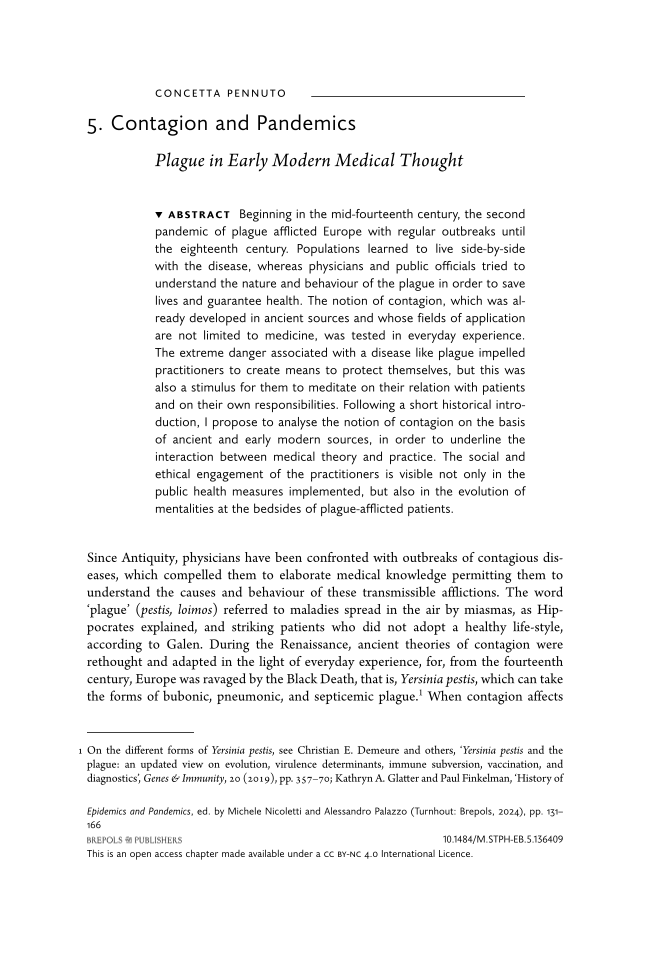
Abstract
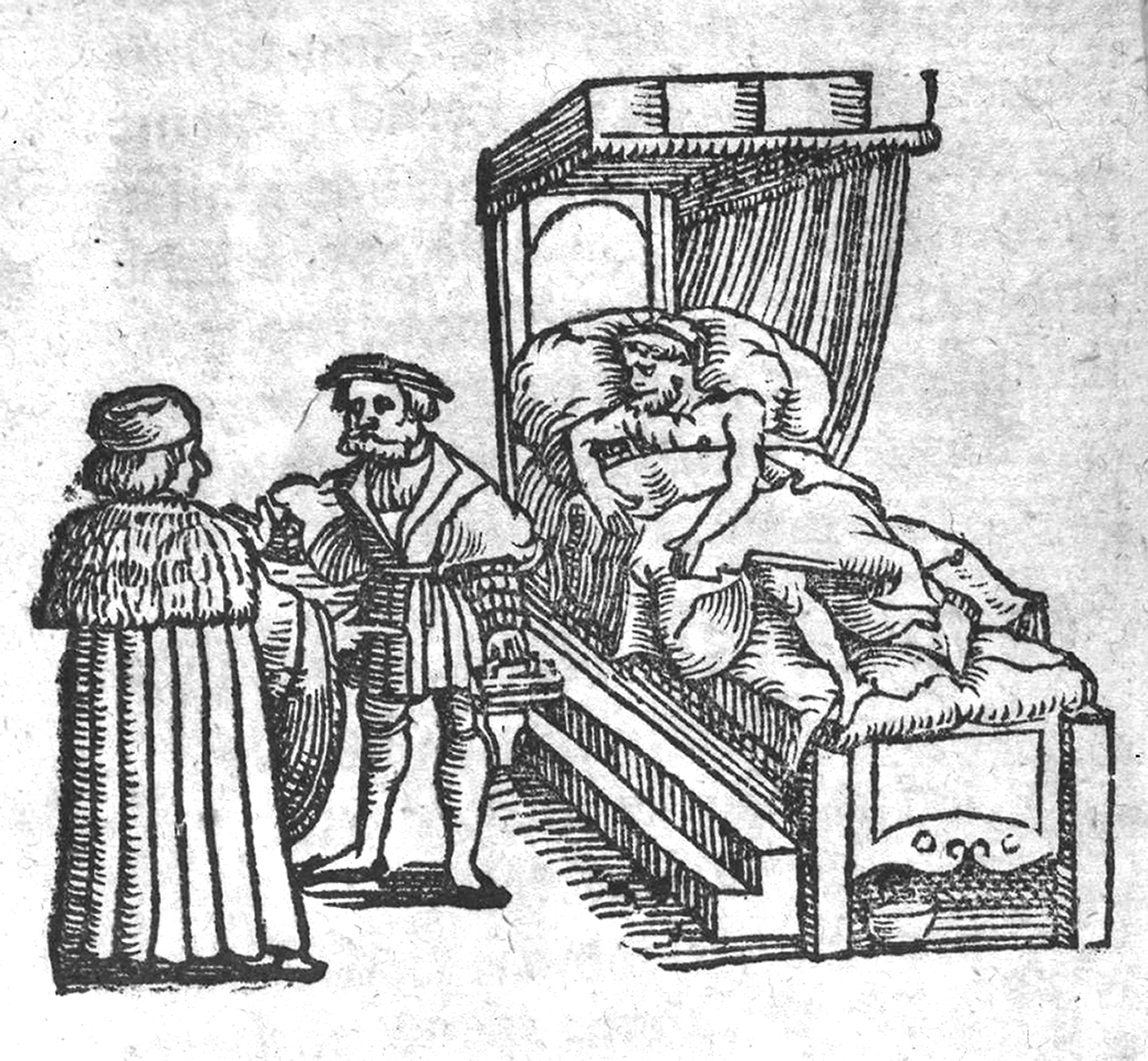
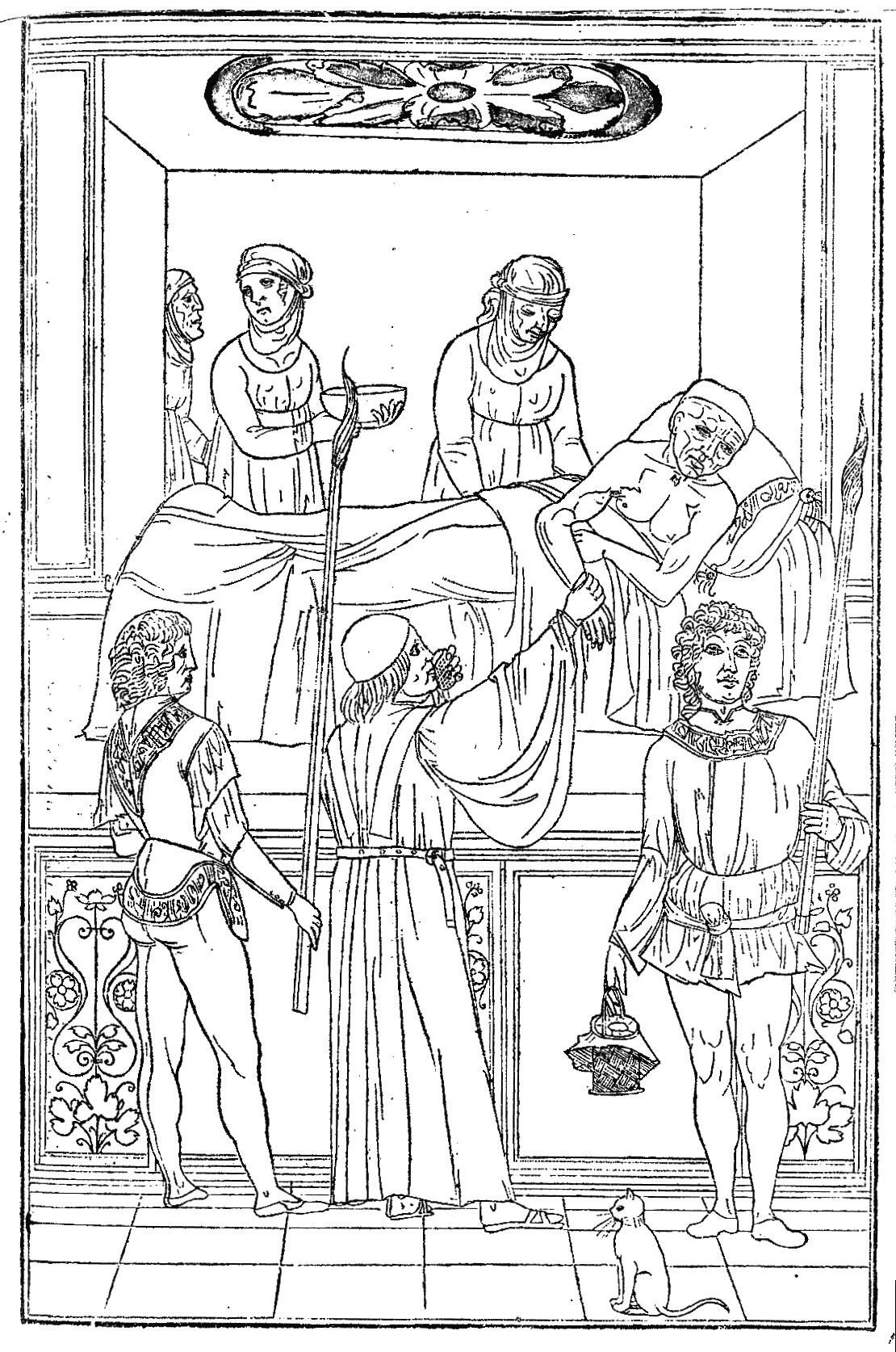
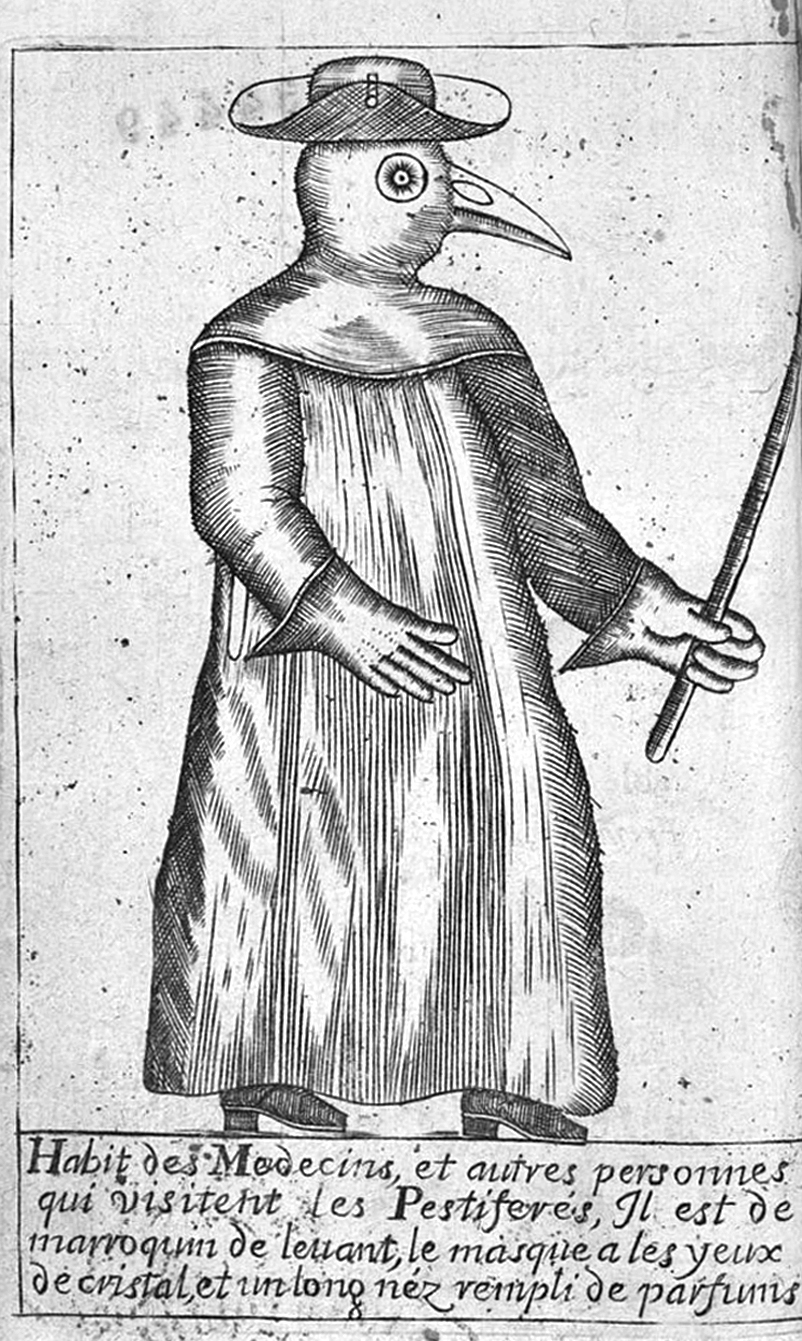
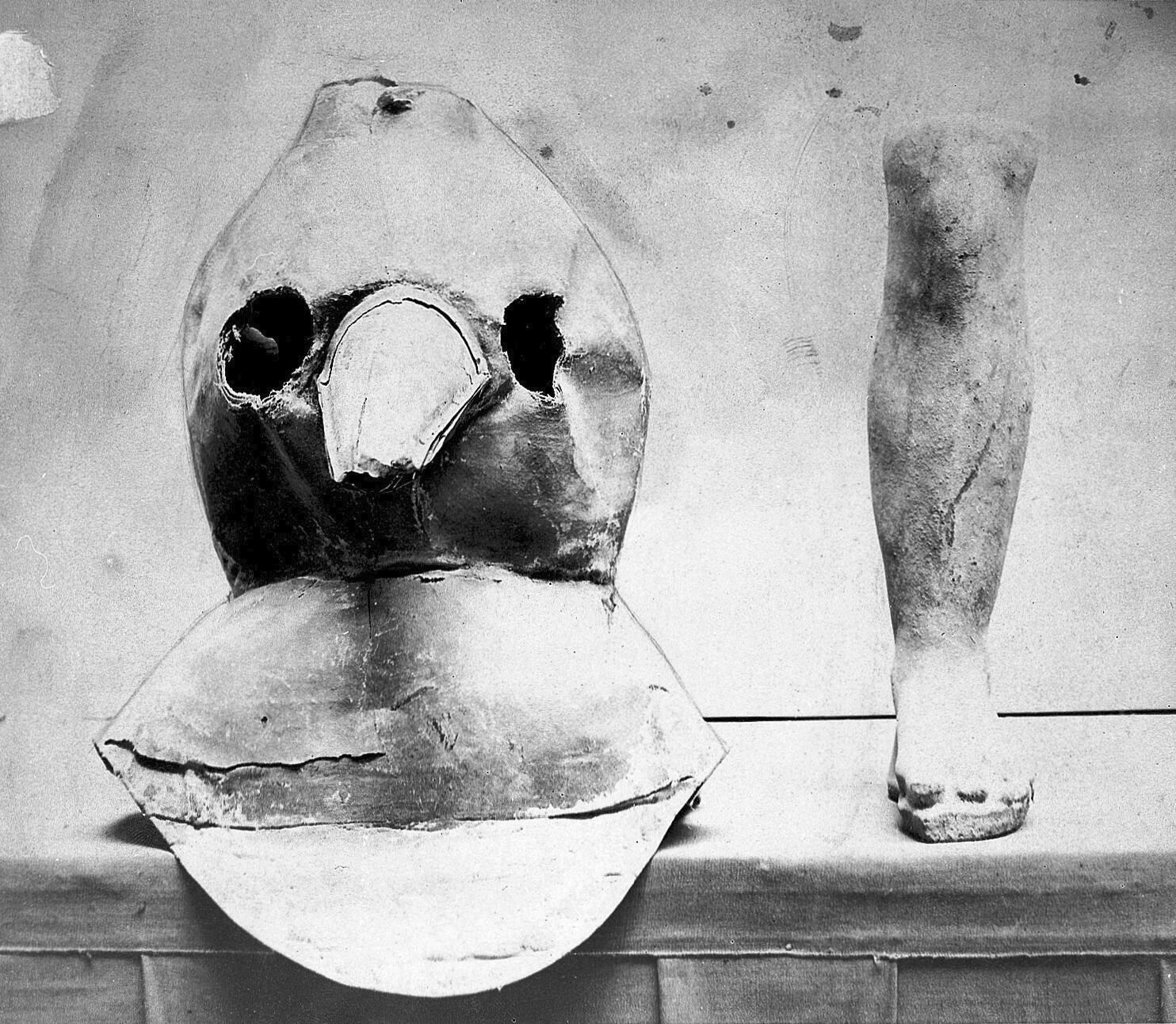
Beginning in the mid-fourteenth century, the second pandemic of plague afflicted Europe with regular outbreaks until the eighteenth century. Populations learned to live side-by-side with the disease, whereas physicians and public officials tried to understand the nature and behaviour of the plague in order to save lives and guarantee health. The notion of contagion, which was already developed in ancient sources and whose fields of application are not limited to medicine, was tested in everyday experience. The extreme danger associated with a disease like plague impelled practitioners to create means to protect themselves, but this was also a stimulus for them to meditate on their relation with patients and on their own responsibilities. Following a short historical introduction, I propose to analyse the notion of contagion on the basis of ancient and early modern sources, in order to underline the interaction between medical theory and practice. The social and ethical engagement of the practitioners is visible not only in the public health measures implemented, but also in the evolution of mentalities at the bedsides of plague-afflicted patients.

Full text loading...
Figures
References
-
BibliographyAristotle, On the Soul, in Aristotle, On the Soul, Parva naturalia, On Breath with an English trans. by Walter Stanley Hett (Cambridge, Mass.-London: Harvard University Press-William Heinemann, 1935).
-
Calepinus (Impressum Rhegii Lingobardiae industria presbyteri Dionysii Berthochi impressoris, 1502).
-
Calepinus hoc est Lexicon Latinum (Patavii: Typis seminarii, 1741).
-
Compendium de epidimia per Collegium Facultatis medicorum Parisius ordinatum, ed. by H. Emile Rébouis, in Id., Étude historique et critique sur la peste (Paris: Alphone Picard–Croville-Morant et Foucart, 1888), pp. 70–145.
-
d’Holbach, Paul-Henri Thiry, La contagion sacrée ou Histoire naturelle de la superstition, ed. by Jean Pierre Jackson (Paris: Coda, 2006).
-
Dictionarium Latinogallicum (Lutetiae: apud Iacobum Dupuys, excudebat Franciscus Stephanus, 1570).
-
Ferrier, Auger, Remedes preservatifs et curatifs de peste (Lyon: par Iean de Tournes, 1548).
-
Ficino, Marsilio, Consilio contro la pestilenza, ed. Enrico Musacchio et con un saggio introduttivo di Giampaolo Moraglia (Bologna: Cappelli editore, 1983).
-
Fracastoro, Girolamo, De sympathia et antipathia rerum liber unus. De contagione, contagiosis morbis et curatione libri tres (Venetiis: apud heredes Lucaeantonii Iuntae Florentini, 1546).
-
Fracastoro, Girolamo, De contagione et contagiosis morbis et eorum curatione, Translation and notes by Wilmer Cave Wright (New York–London: G. P. Putnam’s Sons, 1930).
-
Fracastoro, Girolamo, De sympathia et antipathia rerum Liber I, Edizione critica, traduzione e commento a cura di Concetta Pennuto (Roma: Edizioni di Storia e Letteratura, 2008).
-
Galenus, De differentiis febrium, in Galenus, Opera omnia, ed. by D. Carolus Gottlob Kühn, vol. 7 (Lipsiae: Prostat in officina libraria Car. Cnoblochii, 1824).
-
Hippocrates, Breaths, in Hippocrates with an English trans. by William Henry Samuel Jones, vol. 2, The Loeb Classical Library, (Cambridge, Mass.-London: Harvard University Press-William Heinemann, 1959).
-
Hippocrates, Nature of man, in Hippocrates, English trans. by William Henry Samuel Jones, vol. 4, The Loeb Classical Library, (Cambridge, Mass.-London: Harvard University Press-William Heinemann, 1959).
-
Joubert, Laurent, De peste liber unus (Lugduni: apud Ioannem Frellonium, 1567).
-
Luis Lobera de Avila, Vanquete de nobles cavalleros e modo de bivir … et trata del regimiento curativo e preservativo de las fiebres Pestilenciales et de la Pestilencia (Lutetiae Parisiorum: Georgii Iosse, S. D. [Augsburg: H. Steiner, 1530]).
-
Manget, Jean-Jacques, Traité de la peste (Genève: chez Philippe Planche, 1721).
-
Nicolas de Nancel, Discours tres ample de la Peste, divisé en trois livres, adressant à Messieurs de Tours (Paris, Chez Denys du Val, 1581).
-
Paré, Ambroise, Traicté de la Peste, de la petite Verolle et Rougeolle: avec une brefve description de la Lepre (Paris: de l’Imprimerie d’André Wechel, 1568).
-
Paré, Ambroise, ‘Of the Plague’, in The Workes of that famous Ambrose Parey, Translated out of Latine and compared with the French by Tho. Johnson (London: Printed by Richard Cotes, and Willi Du-Gard, 1649).
-
Paré, Ambroise, ‘Livre de la Peste’, in Ambroise Paré, Les oeuvres, vol. 3, Edition critique par Evelyne Berriot-Salvadore, Jean Céard et Guylaine Pineau, Sous la direction d’Evelyne Berriot-Salvadore (Paris: Classiques Garnier, 2019).
-
Petrus Aponensis, Conciliator controversiarum, quae inter philosophos et medicos versantur (Venetiis: apud Iuntas, 1565).
-
Pietro da Tossignano, ‘Consilium pro peste evitanda’, in Johannes de Ketham, Fasciculus medicine revisus per Georgium de Monteferrato (Venetiis: per Joannem et Gregorium fratres de Forlivio, 1491).
-
Pietro da Tossignano, ‘Consiglio per la peste’, in Johannes de Ketham, Fasciculo di medicina Vulgarizato per Sabastiano Manilio Romano (Venexia: Zuane et Gregorio di Gregorii, 1493).
-
Pietro da Tossignano, ‘Consilium pro peste evitanda’, in Johannes de Ketham, Fasciculus medicine (Venetiis: per Joannem et Gregorium de Gregoriis fratres, 1500).
-
Valleriole, François, Traicté de la peste (Lyon: par Antoine Oryphius, 1566).
-
***Armstrong, Elizabeth, Robert Estienne, royal printer (Cambridge: Cambridge University Press, 1954).
-
Barry, Stéphane, and Gualde, Nobert, ‘La Peste noire dans l’Occident chrétien et musulman 1346/1347–1352/1353’, in Epidémies et crises de mortalité du passé, ed. by Dominique Castex and Isabelle Cartron (Pessac: Ausonius, 2007) pp. 193–227.
-
Beecher, Donald, ‘Windows on Contagion’, in Imagining Contagion in Early Modern Europe, ed. by Claire L. Carlin (Houndmills: Palgrave, 2005), pp. 32–46.
-
Bériac, Françoise, ‘A propos de la fin de la lèpre: XIIIe-XVe siècles’, in The Regulation of Evil. Social and Cultural Attitudes to Epidemics in the Late Middle Ages, ed. by Agostino Paravicini Bagliani and Francesco Santi (Firenze: Sismel-Edizioni del Galluzzo, 1998), pp. 159–73.
-
Bertrand, Dominique, ‘Contagious Laughter and the Burlesque: From the Literal to the Metaphorical’, in Imagining Contagion in Early Modern Europe, ed. by Claire L. Carlin (Houndmills: Palgrave, 2005), pp. 177–194.
-
Biraben, Jean-Noël, Les hommes et la peste en France et dans les pays européens et méditerranéens, 2 vols (Paris-La Haye: Mouton, 1975–76).
-
Bos, Kirsten I., and et al., ‘A draft genome of Yersinia pestis from victims of the Black Death’, Nature, 478 (2011), pp. 506–10.
-
Bos, Kirsten I., and et al., ‘Eighteenth century Yersinia pestis genomes reveal the long-term persistence of an historical plague focus’, eLife (2016), https://www.ncbi.nlm.nih.gov/pmc/articles/PMC4798955/
-
Brancher, Dominique, ‘Du poème à la chair: La contagion érotique des traités médicaux (xvie–xviie siècles), in La contagion. Enjeux croisés des discours médicaux et littéraires (xvie–xixe siècle), ed. by Ariane Bayle (Dijon: Editions Universitaires de Dijon, 2013), pp. 25–40.
-
Bylebyl, Jerome, ‘The manifest and the hidden in the Renaissance clinic’, in Medicine and the five senses, ed. by William F. Bynum and Roy Porter (Cambridge: Cambridge University Press, 1993), pp. 40–60.
-
Carmichael, Ann G., ‘Universal and Particular: The Langage of Plague, 1348–1500’, in Pestilential Complexities: Understanding Medieval Plague, ed. by Vivian Nutton (London: The Wellcome Trust Centre for the History of Medicine, 2008), pp. 17–52.
-
Carmichael, Ann G., ‘Plague Persistence in Western Europe: A Hypothesis’, in Pandemic Disease in The Medieval World. Rethinking The Black Death, ed. by Monica H. Green (Kalamazoo-Bradford: ArC Medieval Press, 2015), pp. 157–91.
-
Cergna, Maria Cristina, Il diario della peste di Giovanni Maria Marusig (1682), Edizione del testo e delle illustrazioni originali dell’autore, con un saggio di Rienzo Pellegrini (Mariano del Friuli: Edizioni della Laguna, 2005).
-
Cipolla, Carlo M., ‘The origin and development of the Health Boards’, in Id., Public Health and the Medical Profession in the Renaissance (Cambridge: Cambridge University Press, 1976), pp. 11–66.
-
Cipolla, Carlo M., Contro un nemico invisibile. Epidemie e strutture sanitarie nell’Italia del Rinascimento (Bologna: Il Mulino, 1985).
-
Colet, Anna, and et al., ‘The Black Death and Its Consequences for the Jewish Community in Tàrrega: Lessons from History and Archeology’, in Pandemic Disease in The Medieval World. Rethinking The Black Death, ed. by Monica H. Green (Kalamazoo-Bradford: ArC Medieval Press, 2015) pp. 63–96.
-
Comba, Rinaldo, ‘Il rilevamento demografico : prima e dopo la peste nera’, in La peste nera: dati di una realtà ed elementi di una interpretazione (Spoleto: Centro Italiano di Studi sull’Alto Medioevo, 1994), pp. 155–73.
-
Cook, Harold J., ‘Policing the Health of London: the College of Physicians and the Early Stuart Monarchy’, The Society for the Social History of Medicine, 2 (1989), pp. 1–33.
-
Coste, Joël, Représentations et comportements en temps d’épidémie dans la literature imprimée de peste (1490–1725). Contribution à l’histoire Culturelle de la peste en France à l’époque moderne. Préface du professeur Yves-Marie Bercé (Paris: Honoré Champion Editeur, 2007).
-
Couzinet, Marie-Dominique, and Mandosio, Jean-Marc, ‘Nouveaux éclairages sur les cours de Ramus et de ses collègues au Collège de Presles d’après des notes inédites prises par Nancel’, in Ramus et l’Université (Paris: Editions rue d’Ulm, 2004), pp. 11–48.
-
Day, Matthew, ‘The Sacred Contagion: John Trenchard, Natural History, and the Effluvial Politics of Religion’, History of Religions, 50 (2010), pp. 144–161.
-
De Ferrari, Augusto, ‘Curialti, Pietro’, in Dizionario Biografico degli Italiani, 31 (Roma: Istituto della Enciclopedia italiana, 1985) https://www.treccani.it/enciclopedia/pietro-curialti_(Dizionario-Biografico)/
-
De Smet, Ingrid, ‘Of Doctors, Dreamers and Soothsayers: The Interlinking Worlds of Julius Caesar Scaliger and Auger Ferrier’, Bibliothèque d’Humanisme et Renaissance, 70, 2, (2008), pp. 351–76.
-
Delumeau, Jean, La peur en Occident xive–xviiie siècle (Paris: Fayard, 1978), pp. 98–142.
-
Demaitre, Luke, Leprosy in Premodern Medicine. A Malady of the Whole Body (Baltimore: The Johns Hopkins University Press, 2007).
-
Demeure, Christian E., and et al., ‘Yersinia pestis and the plague: an updated view on evolution, virulence determinants, immune subversion, vaccination, and diagnostics’, Genes & Immunity, 20 (2019), pp. 357–70.
-
Demont, Paul, ‘Notes sur le récit de la pestilence athénienne chez Thucydide et sur ses rapports avec la médecine grecque de l’époque classique’, in Formes de pensée dans la Collection hippocratique. Actes du IV Colloque International Hippocratique, Lausanne 21–26 septembre 1981, ed. by François Lasserre and Philippe Mudry (Genève: Librairie Droz, 1983), pp. 341–353.
-
Deutscher, Thomas B., ‘Ambrogio Calepino’, in Contemporaries of Erasmus, vol. 1, ed. by Peter G. Bietenholz and Thomas B. Deutscher (Toronto-Buffalo-London: University of Toronto Press, 1985) p. 244.
-
Drancourt, Michel, ‘Plague in the genomic area’, Clinical Microbiology and Infection, 18 (2012), pp. 224–30.
-
Duncan-Jones, R. P., ‘The Antonine Plague Revisited’, Arctos, 52 (2018), pp. 41–72.
-
Eckert, Edward A., The Structure of Plagues and Pestilences in Early Modern Europe. Central Europe, 1560–1640 (Basel: Karger, 1996).
-
Fortuna, Stefania, De differentiis febrium tradotto da Burgundio da Pisa, in ‘Galeno Latino. Catalogo della tradizione latina di Galeno: manoscritti ed edizioni’, https://www.galenolatino.com/traduzioni.php?id = 1
-
Glatter, Kathryn A., and Finkelman, Paul, ‘History of the Plague: An Ancient Pandemic for the Age of Covid-19’, The American Journal of Medicine, 134 (2021), pp. 176–81.
-
Gourdou, Jean-François, Le professeur Augier Ferrier et la reine Catherine de Médicis (Paris: Saint Honoré éditions, 2016).
-
Gourevitch, Danielle, ‘Peut-on employer le mot d’Infection dans les traductions françaises de textes latin?’, in Mémoires V, Textes Médicaux Latins Antiques, ed. by Guy Sabbah (Saint-Etienne: Publications de l’Université de Saint-Etienne, 1984), pp. 49–52.
-
Grmek, Mirko D., ‘Les vicissitudes des notions d’infection, de contagion et de germe dans la médecine antique’, in Mémoires V, Textes Médicaux Latins Antiques, ed. by Guy Sabbah (Saint-Etienne: Publications de l’Université de Saint-Etienne, 1984), pp. 53–70.
-
Guellil, Meriam, and et al., ‘A genomic and historical synthesis of plague in 18th century Eurasia’, Proceedings of the National Academy of Sciences of the United States of America, 117 (2020), pp. 28328–35.
-
Holladay, A. J., and Poole, J. C., ‘Thucydides and the Plague of Athens’, The Classical Quarterly, 29 (1979), pp. 282–300.
-
Jarcho, Saul, The Concept of Contagion in Medicine, Literature, and Religion (Malabar: Krieger Publishing Company, 2000).
-
Jouanna, Jacques, ‘Air, miasme et contagion à l’époque d’Hippocrate et survivance des miasmes dans la médecine posthippocratique’, in Air, miasmes et contagion. Les épidémies dans l’Antiquité et au Moyen Age, ed. by Sylvie Bazin-Tacchella and others (Langres: Dominique Guéniot, 2001), pp. 9–11.
-
Kallet, Lisa, ‘Thucydides, Apollo, the Plague, and the War’, The American Journal of Philology, 134 (2013), pp. 355–82.
-
Katinis, Teodoro, ‘A Humanist Confronts the Plague: Ficino’s Consilio contro la Pestilentia’, Modern Language Notes, 125 (2010), pp. 72–83.
-
Katinis, Teodoro, ‘Per la fortuna di Ficino nel Cinquecento: il caso dei Dialoghi sopra le cause della peste universale di Alessandro Puccinelli’, Bruniana et Campanelliana, 26 (2020), pp. 453–66.
-
Lieber, Elinor, ‘Old Testament “Leprosy”, Contagion and Sin’, in Contagion. Perspectives from Pre-Modern Societies, ed. by Lawrence I. Conrad and Dominik Wujastyk (Aldeshot: Ashgate, 2000), pp. 97–136.
-
Little, Lester K., ‘Life and Afterlife of the First Plague Pandemic’, in Plague and the End of Antiquity. The Pandemic of 541–750, ed. by Lester K. Little (Cambridge: Cambridge University Press, 2007), pp. 3–32.
-
Longrigg, James, ‘Epidemic, ideas and classical Athenian society’, in Epidemics and ideas. Essays on the historical perception of pestilence, ed. by Terence Ranger and Paul Slack (Cambridge: Cambridge University Press, 1992), pp. 21–44.
-
MacDonald, Katharine, Biography in Early Modern France, 1540–1630. Forms and Functions (Leeds: Legenda, 2007).
-
McGough, Laura J., ‘Quarantining Beauty: The French Disease in Early Modern Venice’, in Sins of the Flesh. Responding to Sexual Disease in Early Modern Europe, ed. by Kevin Siena (Toronto: Centre for Reformation and Renaissance Studies, 2005), pp. 211–237.
-
Mc Gough, Laura J., Gender, Sexuality, and Syphilis in Early Modern Venice (New York: Palgrave Macmillan, 2011).
-
Monneret, Philippe, ‘Epilogue linguistique. La contagion comme métaphore’, in La contagion. Enjeux croisés des discours médicaux et littéraires (xvie–xixe siècle), ed. by Ariane Bayle (Dijon: Editions Universitaires de Dijon, 2013), pp. 161–75.
-
Montagne, Véronique, ‘Le discours didascalique sur la peste dans les traités médicaux de la Renaissance: rationaliser et/ou inquiéter’, Réforme, Humanisme, Renaissance, 70 (2010), pp. 103–12.
-
Montagne, Véronique, Médecine et rhétorique à la Renaissance. Le cas du traité de peste en langue vernaculaire (Paris, Classiques Garnier, 2017).
-
Naphy, William, and Spicer, Andrew, Plague. Black Death and Pestilence in Europe (Wiltshire: Tempus, 2004).
-
Nutton, Vivian, ‘The Seeds of Disease: An Explanation of Contagion and Infection from the Greeks to the Renaissance’, Medical History, 27 (1983), pp. 1–34.
-
Nutton, Vivian, ‘The Reception of Fracastoro’s Theory of Contagion: The Seed That Fell among Thorns?’, Osiris, 6 (1990), pp. 196–234.
-
Nutton, Vivian, ‘Did the Greeks Have a Word for It? Contagion and Contagion Theory in Classical Antiquity’, in Contagion. Perspectives from Pre-Modern Societies, ed. by Lawrence I. Conrad and Dominik Wujastyk (Aldeshot: Ashgate, 2000), pp. 137–62.
-
Nutton, Vivian, ‘With Benefit of Hindsight: Girolamo Mercuriale and Simone Simoni on Plague’, Medicina e Storia, 11 (2006), pp. 5–19.
-
Palmer, Richard, ‘Girolamo Mercuriale and the Plague of Venice’, in Girolamo Mercuriale. Medicina e cultura nell’Europa del Cinquecento, ed. by Alessandro Arcangeli and Vivian Nutton (Firenze: Leo S. Olschki, 2008), pp. 51–65.
-
Pastore, Alessandro, and Peruzzi, Enrico (eds.), Girolamo Fracastoro fra medicina, filosofia e scienze della natura (Firenze: Leo S. Olschki, 2006).
-
Perfetti, Amalia, ‘La Syphilis sive de morbo gallico de Jérôme Fracastor: exemple de la diffusion de Lucrèce en Italie dans la première moitié du xvie siècle’, Revue d’histoire des sciences, 55 (2002), pp. 263–72.
-
Peruzzi, Enrico, ‘Antioccultismo e filosofia naturale nel De sympathia et antipathia rerum di Gerolamo Fracastoro’, Atti e memorie dell’Accademia Toscana di Scienze e Lettere La colombaria, 45 (1980), pp. 41–131.
-
Pesenti, Tiziana, Il Fasciculus medicinae, ovvero le metamorfosi del libro umanistico (Treviso: Antilia, 2001).
-
Pineau, Guylaine, ‘Soigner la peste sans défier la colère divine dans les traités médicaux du xvie siècle’, Seizème siècle, 8 (2012), pp. 173–90.
-
Price-Smith, Andrew T., Contagion and Chaos. Disease, Ecology, and National Security in the Era of Globalization (Cambridge, Mass.–London, England: The MIT Press, 2009), pp. 16–18.
-
Rébouis, H. Emile, Étude historique et critique sur la peste (Paris: Alphone Picard–Croville-Morant et Foucart, 1888).
-
Rütten, Thomas, ‘Receptions of the Hippocratic “Oath” in the Renaissance: The Prohibition of Abortion as a Case Study in Reception’, Journal of the History of Medicine and Allied Sciences, 51 (1996), pp. 456–83.
-
Samama, Evelyne, ‘Thucydide et Procope: Le regard des historiens sur les épidémies’, in Air, miasmes et contagion. Les épidémies dans l’Antiquité et au Moyen Age, ed. by Sylvie Bazin-Tacchella and others (Langres: Dominique Guéniot, 2001), pp. 55–74.
-
Sánchez, Carlos José Hernando, ‘El banquete de damas y caballeros, la corte galante de Carlos V en Nápoles’, Bulletin hispanique, 119 (2017), pp. 427–58.
-
Schuenemann, Verena J., and et al., ‘Targeted enrichment of ancient pathogens yielding the pPCP1 plasmid of Yersinia pestis from victims of the Black Death’, Proceedings of the National Academy of Sciences of the United States, 108 (2011), pp. 746–52.
-
Singer, Charles, and Singer, Dorothea, ‘The Scientific Position of Girolamo Fracastoro (1478?-1553) with Especial Reference to the Source, Character and Influence of his Theory of Infection’, Annals of Medical History, I (1917), pp. 1–34.
-
Stolberg, Michael, ‘Bedside Teaching and the Acquisition of Practical Skills in Mid-Sixteenth-Century Padua’, Journal of the History of Medicine and Allied Sciences, 69 (2014), pp. 633–64.
-
Teyssou, Roger, La thérapeutique de Fracastor. Lexique des médicaments (Paris: L’Harmattan, 2017).
-
Touati, François-Olivier, ‘Contagion and Leprosy: Myth, Ideas and Evolution in Medieval Minds and Societies’, in Contagion. Perspectives from Pre-Modern Societies, ed. by Lawrence I. Conrad and Dominik Wujastyk (Aldeshot: Ashgate, 2000), pp. 179–201.
-
Wajeman, Lise, ‘La contagion pétrifiante ou des dangers de l’agalmatophilie’, in La contagion. Enjeux croisés des discours médicaux et littéraires (xvie–xixe siècle), ed. by Ariane Bayle (Dijon: Editions Universitaires de Dijon, 2013), pp. 41–55.
References
-
BibliographyAristotle, On the Soul, in Aristotle, On the Soul, Parva naturalia, On Breath with an English trans. by Walter Stanley Hett (Cambridge, Mass.-London: Harvard University Press-William Heinemann, 1935).
-
Calepinus (Impressum Rhegii Lingobardiae industria presbyteri Dionysii Berthochi impressoris, 1502).
-
Calepinus hoc est Lexicon Latinum (Patavii: Typis seminarii, 1741).
-
Compendium de epidimia per Collegium Facultatis medicorum Parisius ordinatum, ed. by H. Emile Rébouis, in Id., Étude historique et critique sur la peste (Paris: Alphone Picard–Croville-Morant et Foucart, 1888), pp. 70–145.
-
d’Holbach, Paul-Henri Thiry, La contagion sacrée ou Histoire naturelle de la superstition, ed. by Jean Pierre Jackson (Paris: Coda, 2006).
-
Dictionarium Latinogallicum (Lutetiae: apud Iacobum Dupuys, excudebat Franciscus Stephanus, 1570).
-
Ferrier, Auger, Remedes preservatifs et curatifs de peste (Lyon: par Iean de Tournes, 1548).
-
Ficino, Marsilio, Consilio contro la pestilenza, ed. Enrico Musacchio et con un saggio introduttivo di Giampaolo Moraglia (Bologna: Cappelli editore, 1983).
-
Fracastoro, Girolamo, De sympathia et antipathia rerum liber unus. De contagione, contagiosis morbis et curatione libri tres (Venetiis: apud heredes Lucaeantonii Iuntae Florentini, 1546).
-
Fracastoro, Girolamo, De contagione et contagiosis morbis et eorum curatione, Translation and notes by Wilmer Cave Wright (New York–London: G. P. Putnam’s Sons, 1930).
-
Fracastoro, Girolamo, De sympathia et antipathia rerum Liber I, Edizione critica, traduzione e commento a cura di Concetta Pennuto (Roma: Edizioni di Storia e Letteratura, 2008).
-
Galenus, De differentiis febrium, in Galenus, Opera omnia, ed. by D. Carolus Gottlob Kühn, vol. 7 (Lipsiae: Prostat in officina libraria Car. Cnoblochii, 1824).
-
Hippocrates, Breaths, in Hippocrates with an English trans. by William Henry Samuel Jones, vol. 2, The Loeb Classical Library, (Cambridge, Mass.-London: Harvard University Press-William Heinemann, 1959).
-
Hippocrates, Nature of man, in Hippocrates, English trans. by William Henry Samuel Jones, vol. 4, The Loeb Classical Library, (Cambridge, Mass.-London: Harvard University Press-William Heinemann, 1959).
-
Joubert, Laurent, De peste liber unus (Lugduni: apud Ioannem Frellonium, 1567).
-
Luis Lobera de Avila, Vanquete de nobles cavalleros e modo de bivir … et trata del regimiento curativo e preservativo de las fiebres Pestilenciales et de la Pestilencia (Lutetiae Parisiorum: Georgii Iosse, S. D. [Augsburg: H. Steiner, 1530]).
-
Manget, Jean-Jacques, Traité de la peste (Genève: chez Philippe Planche, 1721).
-
Nicolas de Nancel, Discours tres ample de la Peste, divisé en trois livres, adressant à Messieurs de Tours (Paris, Chez Denys du Val, 1581).
-
Paré, Ambroise, Traicté de la Peste, de la petite Verolle et Rougeolle: avec une brefve description de la Lepre (Paris: de l’Imprimerie d’André Wechel, 1568).
-
Paré, Ambroise, ‘Of the Plague’, in The Workes of that famous Ambrose Parey, Translated out of Latine and compared with the French by Tho. Johnson (London: Printed by Richard Cotes, and Willi Du-Gard, 1649).
-
Paré, Ambroise, ‘Livre de la Peste’, in Ambroise Paré, Les oeuvres, vol. 3, Edition critique par Evelyne Berriot-Salvadore, Jean Céard et Guylaine Pineau, Sous la direction d’Evelyne Berriot-Salvadore (Paris: Classiques Garnier, 2019).
-
Petrus Aponensis, Conciliator controversiarum, quae inter philosophos et medicos versantur (Venetiis: apud Iuntas, 1565).
-
Pietro da Tossignano, ‘Consilium pro peste evitanda’, in Johannes de Ketham, Fasciculus medicine revisus per Georgium de Monteferrato (Venetiis: per Joannem et Gregorium fratres de Forlivio, 1491).
-
Pietro da Tossignano, ‘Consiglio per la peste’, in Johannes de Ketham, Fasciculo di medicina Vulgarizato per Sabastiano Manilio Romano (Venexia: Zuane et Gregorio di Gregorii, 1493).
-
Pietro da Tossignano, ‘Consilium pro peste evitanda’, in Johannes de Ketham, Fasciculus medicine (Venetiis: per Joannem et Gregorium de Gregoriis fratres, 1500).
-
Valleriole, François, Traicté de la peste (Lyon: par Antoine Oryphius, 1566).
-
***Armstrong, Elizabeth, Robert Estienne, royal printer (Cambridge: Cambridge University Press, 1954).
-
Barry, Stéphane, and Gualde, Nobert, ‘La Peste noire dans l’Occident chrétien et musulman 1346/1347–1352/1353’, in Epidémies et crises de mortalité du passé, ed. by Dominique Castex and Isabelle Cartron (Pessac: Ausonius, 2007) pp. 193–227.
-
Beecher, Donald, ‘Windows on Contagion’, in Imagining Contagion in Early Modern Europe, ed. by Claire L. Carlin (Houndmills: Palgrave, 2005), pp. 32–46.
-
Bériac, Françoise, ‘A propos de la fin de la lèpre: XIIIe-XVe siècles’, in The Regulation of Evil. Social and Cultural Attitudes to Epidemics in the Late Middle Ages, ed. by Agostino Paravicini Bagliani and Francesco Santi (Firenze: Sismel-Edizioni del Galluzzo, 1998), pp. 159–73.
-
Bertrand, Dominique, ‘Contagious Laughter and the Burlesque: From the Literal to the Metaphorical’, in Imagining Contagion in Early Modern Europe, ed. by Claire L. Carlin (Houndmills: Palgrave, 2005), pp. 177–194.
-
Biraben, Jean-Noël, Les hommes et la peste en France et dans les pays européens et méditerranéens, 2 vols (Paris-La Haye: Mouton, 1975–76).
-
Bos, Kirsten I., and et al., ‘A draft genome of Yersinia pestis from victims of the Black Death’, Nature, 478 (2011), pp. 506–10.
-
Bos, Kirsten I., and et al., ‘Eighteenth century Yersinia pestis genomes reveal the long-term persistence of an historical plague focus’, eLife (2016), https://www.ncbi.nlm.nih.gov/pmc/articles/PMC4798955/
-
Brancher, Dominique, ‘Du poème à la chair: La contagion érotique des traités médicaux (xvie–xviie siècles), in La contagion. Enjeux croisés des discours médicaux et littéraires (xvie–xixe siècle), ed. by Ariane Bayle (Dijon: Editions Universitaires de Dijon, 2013), pp. 25–40.
-
Bylebyl, Jerome, ‘The manifest and the hidden in the Renaissance clinic’, in Medicine and the five senses, ed. by William F. Bynum and Roy Porter (Cambridge: Cambridge University Press, 1993), pp. 40–60.
-
Carmichael, Ann G., ‘Universal and Particular: The Langage of Plague, 1348–1500’, in Pestilential Complexities: Understanding Medieval Plague, ed. by Vivian Nutton (London: The Wellcome Trust Centre for the History of Medicine, 2008), pp. 17–52.
-
Carmichael, Ann G., ‘Plague Persistence in Western Europe: A Hypothesis’, in Pandemic Disease in The Medieval World. Rethinking The Black Death, ed. by Monica H. Green (Kalamazoo-Bradford: ArC Medieval Press, 2015), pp. 157–91.
-
Cergna, Maria Cristina, Il diario della peste di Giovanni Maria Marusig (1682), Edizione del testo e delle illustrazioni originali dell’autore, con un saggio di Rienzo Pellegrini (Mariano del Friuli: Edizioni della Laguna, 2005).
-
Cipolla, Carlo M., ‘The origin and development of the Health Boards’, in Id., Public Health and the Medical Profession in the Renaissance (Cambridge: Cambridge University Press, 1976), pp. 11–66.
-
Cipolla, Carlo M., Contro un nemico invisibile. Epidemie e strutture sanitarie nell’Italia del Rinascimento (Bologna: Il Mulino, 1985).
-
Colet, Anna, and et al., ‘The Black Death and Its Consequences for the Jewish Community in Tàrrega: Lessons from History and Archeology’, in Pandemic Disease in The Medieval World. Rethinking The Black Death, ed. by Monica H. Green (Kalamazoo-Bradford: ArC Medieval Press, 2015) pp. 63–96.
-
Comba, Rinaldo, ‘Il rilevamento demografico : prima e dopo la peste nera’, in La peste nera: dati di una realtà ed elementi di una interpretazione (Spoleto: Centro Italiano di Studi sull’Alto Medioevo, 1994), pp. 155–73.
-
Cook, Harold J., ‘Policing the Health of London: the College of Physicians and the Early Stuart Monarchy’, The Society for the Social History of Medicine, 2 (1989), pp. 1–33.
-
Coste, Joël, Représentations et comportements en temps d’épidémie dans la literature imprimée de peste (1490–1725). Contribution à l’histoire Culturelle de la peste en France à l’époque moderne. Préface du professeur Yves-Marie Bercé (Paris: Honoré Champion Editeur, 2007).
-
Couzinet, Marie-Dominique, and Mandosio, Jean-Marc, ‘Nouveaux éclairages sur les cours de Ramus et de ses collègues au Collège de Presles d’après des notes inédites prises par Nancel’, in Ramus et l’Université (Paris: Editions rue d’Ulm, 2004), pp. 11–48.
-
Day, Matthew, ‘The Sacred Contagion: John Trenchard, Natural History, and the Effluvial Politics of Religion’, History of Religions, 50 (2010), pp. 144–161.
-
De Ferrari, Augusto, ‘Curialti, Pietro’, in Dizionario Biografico degli Italiani, 31 (Roma: Istituto della Enciclopedia italiana, 1985) https://www.treccani.it/enciclopedia/pietro-curialti_(Dizionario-Biografico)/
-
De Smet, Ingrid, ‘Of Doctors, Dreamers and Soothsayers: The Interlinking Worlds of Julius Caesar Scaliger and Auger Ferrier’, Bibliothèque d’Humanisme et Renaissance, 70, 2, (2008), pp. 351–76.
-
Delumeau, Jean, La peur en Occident xive–xviiie siècle (Paris: Fayard, 1978), pp. 98–142.
-
Demaitre, Luke, Leprosy in Premodern Medicine. A Malady of the Whole Body (Baltimore: The Johns Hopkins University Press, 2007).
-
Demeure, Christian E., and et al., ‘Yersinia pestis and the plague: an updated view on evolution, virulence determinants, immune subversion, vaccination, and diagnostics’, Genes & Immunity, 20 (2019), pp. 357–70.
-
Demont, Paul, ‘Notes sur le récit de la pestilence athénienne chez Thucydide et sur ses rapports avec la médecine grecque de l’époque classique’, in Formes de pensée dans la Collection hippocratique. Actes du IV Colloque International Hippocratique, Lausanne 21–26 septembre 1981, ed. by François Lasserre and Philippe Mudry (Genève: Librairie Droz, 1983), pp. 341–353.
-
Deutscher, Thomas B., ‘Ambrogio Calepino’, in Contemporaries of Erasmus, vol. 1, ed. by Peter G. Bietenholz and Thomas B. Deutscher (Toronto-Buffalo-London: University of Toronto Press, 1985) p. 244.
-
Drancourt, Michel, ‘Plague in the genomic area’, Clinical Microbiology and Infection, 18 (2012), pp. 224–30.
-
Duncan-Jones, R. P., ‘The Antonine Plague Revisited’, Arctos, 52 (2018), pp. 41–72.
-
Eckert, Edward A., The Structure of Plagues and Pestilences in Early Modern Europe. Central Europe, 1560–1640 (Basel: Karger, 1996).
-
Fortuna, Stefania, De differentiis febrium tradotto da Burgundio da Pisa, in ‘Galeno Latino. Catalogo della tradizione latina di Galeno: manoscritti ed edizioni’, https://www.galenolatino.com/traduzioni.php?id = 1
-
Glatter, Kathryn A., and Finkelman, Paul, ‘History of the Plague: An Ancient Pandemic for the Age of Covid-19’, The American Journal of Medicine, 134 (2021), pp. 176–81.
-
Gourdou, Jean-François, Le professeur Augier Ferrier et la reine Catherine de Médicis (Paris: Saint Honoré éditions, 2016).
-
Gourevitch, Danielle, ‘Peut-on employer le mot d’Infection dans les traductions françaises de textes latin?’, in Mémoires V, Textes Médicaux Latins Antiques, ed. by Guy Sabbah (Saint-Etienne: Publications de l’Université de Saint-Etienne, 1984), pp. 49–52.
-
Grmek, Mirko D., ‘Les vicissitudes des notions d’infection, de contagion et de germe dans la médecine antique’, in Mémoires V, Textes Médicaux Latins Antiques, ed. by Guy Sabbah (Saint-Etienne: Publications de l’Université de Saint-Etienne, 1984), pp. 53–70.
-
Guellil, Meriam, and et al., ‘A genomic and historical synthesis of plague in 18th century Eurasia’, Proceedings of the National Academy of Sciences of the United States of America, 117 (2020), pp. 28328–35.
-
Holladay, A. J., and Poole, J. C., ‘Thucydides and the Plague of Athens’, The Classical Quarterly, 29 (1979), pp. 282–300.
-
Jarcho, Saul, The Concept of Contagion in Medicine, Literature, and Religion (Malabar: Krieger Publishing Company, 2000).
-
Jouanna, Jacques, ‘Air, miasme et contagion à l’époque d’Hippocrate et survivance des miasmes dans la médecine posthippocratique’, in Air, miasmes et contagion. Les épidémies dans l’Antiquité et au Moyen Age, ed. by Sylvie Bazin-Tacchella and others (Langres: Dominique Guéniot, 2001), pp. 9–11.
-
Kallet, Lisa, ‘Thucydides, Apollo, the Plague, and the War’, The American Journal of Philology, 134 (2013), pp. 355–82.
-
Katinis, Teodoro, ‘A Humanist Confronts the Plague: Ficino’s Consilio contro la Pestilentia’, Modern Language Notes, 125 (2010), pp. 72–83.
-
Katinis, Teodoro, ‘Per la fortuna di Ficino nel Cinquecento: il caso dei Dialoghi sopra le cause della peste universale di Alessandro Puccinelli’, Bruniana et Campanelliana, 26 (2020), pp. 453–66.
-
Lieber, Elinor, ‘Old Testament “Leprosy”, Contagion and Sin’, in Contagion. Perspectives from Pre-Modern Societies, ed. by Lawrence I. Conrad and Dominik Wujastyk (Aldeshot: Ashgate, 2000), pp. 97–136.
-
Little, Lester K., ‘Life and Afterlife of the First Plague Pandemic’, in Plague and the End of Antiquity. The Pandemic of 541–750, ed. by Lester K. Little (Cambridge: Cambridge University Press, 2007), pp. 3–32.
-
Longrigg, James, ‘Epidemic, ideas and classical Athenian society’, in Epidemics and ideas. Essays on the historical perception of pestilence, ed. by Terence Ranger and Paul Slack (Cambridge: Cambridge University Press, 1992), pp. 21–44.
-
MacDonald, Katharine, Biography in Early Modern France, 1540–1630. Forms and Functions (Leeds: Legenda, 2007).
-
McGough, Laura J., ‘Quarantining Beauty: The French Disease in Early Modern Venice’, in Sins of the Flesh. Responding to Sexual Disease in Early Modern Europe, ed. by Kevin Siena (Toronto: Centre for Reformation and Renaissance Studies, 2005), pp. 211–237.
-
Mc Gough, Laura J., Gender, Sexuality, and Syphilis in Early Modern Venice (New York: Palgrave Macmillan, 2011).
-
Monneret, Philippe, ‘Epilogue linguistique. La contagion comme métaphore’, in La contagion. Enjeux croisés des discours médicaux et littéraires (xvie–xixe siècle), ed. by Ariane Bayle (Dijon: Editions Universitaires de Dijon, 2013), pp. 161–75.
-
Montagne, Véronique, ‘Le discours didascalique sur la peste dans les traités médicaux de la Renaissance: rationaliser et/ou inquiéter’, Réforme, Humanisme, Renaissance, 70 (2010), pp. 103–12.
-
Montagne, Véronique, Médecine et rhétorique à la Renaissance. Le cas du traité de peste en langue vernaculaire (Paris, Classiques Garnier, 2017).
-
Naphy, William, and Spicer, Andrew, Plague. Black Death and Pestilence in Europe (Wiltshire: Tempus, 2004).
-
Nutton, Vivian, ‘The Seeds of Disease: An Explanation of Contagion and Infection from the Greeks to the Renaissance’, Medical History, 27 (1983), pp. 1–34.
-
Nutton, Vivian, ‘The Reception of Fracastoro’s Theory of Contagion: The Seed That Fell among Thorns?’, Osiris, 6 (1990), pp. 196–234.
-
Nutton, Vivian, ‘Did the Greeks Have a Word for It? Contagion and Contagion Theory in Classical Antiquity’, in Contagion. Perspectives from Pre-Modern Societies, ed. by Lawrence I. Conrad and Dominik Wujastyk (Aldeshot: Ashgate, 2000), pp. 137–62.
-
Nutton, Vivian, ‘With Benefit of Hindsight: Girolamo Mercuriale and Simone Simoni on Plague’, Medicina e Storia, 11 (2006), pp. 5–19.
-
Palmer, Richard, ‘Girolamo Mercuriale and the Plague of Venice’, in Girolamo Mercuriale. Medicina e cultura nell’Europa del Cinquecento, ed. by Alessandro Arcangeli and Vivian Nutton (Firenze: Leo S. Olschki, 2008), pp. 51–65.
-
Pastore, Alessandro, and Peruzzi, Enrico (eds.), Girolamo Fracastoro fra medicina, filosofia e scienze della natura (Firenze: Leo S. Olschki, 2006).
-
Perfetti, Amalia, ‘La Syphilis sive de morbo gallico de Jérôme Fracastor: exemple de la diffusion de Lucrèce en Italie dans la première moitié du xvie siècle’, Revue d’histoire des sciences, 55 (2002), pp. 263–72.
-
Peruzzi, Enrico, ‘Antioccultismo e filosofia naturale nel De sympathia et antipathia rerum di Gerolamo Fracastoro’, Atti e memorie dell’Accademia Toscana di Scienze e Lettere La colombaria, 45 (1980), pp. 41–131.
-
Pesenti, Tiziana, Il Fasciculus medicinae, ovvero le metamorfosi del libro umanistico (Treviso: Antilia, 2001).
-
Pineau, Guylaine, ‘Soigner la peste sans défier la colère divine dans les traités médicaux du xvie siècle’, Seizème siècle, 8 (2012), pp. 173–90.
-
Price-Smith, Andrew T., Contagion and Chaos. Disease, Ecology, and National Security in the Era of Globalization (Cambridge, Mass.–London, England: The MIT Press, 2009), pp. 16–18.
-
Rébouis, H. Emile, Étude historique et critique sur la peste (Paris: Alphone Picard–Croville-Morant et Foucart, 1888).
-
Rütten, Thomas, ‘Receptions of the Hippocratic “Oath” in the Renaissance: The Prohibition of Abortion as a Case Study in Reception’, Journal of the History of Medicine and Allied Sciences, 51 (1996), pp. 456–83.
-
Samama, Evelyne, ‘Thucydide et Procope: Le regard des historiens sur les épidémies’, in Air, miasmes et contagion. Les épidémies dans l’Antiquité et au Moyen Age, ed. by Sylvie Bazin-Tacchella and others (Langres: Dominique Guéniot, 2001), pp. 55–74.
-
Sánchez, Carlos José Hernando, ‘El banquete de damas y caballeros, la corte galante de Carlos V en Nápoles’, Bulletin hispanique, 119 (2017), pp. 427–58.
-
Schuenemann, Verena J., and et al., ‘Targeted enrichment of ancient pathogens yielding the pPCP1 plasmid of Yersinia pestis from victims of the Black Death’, Proceedings of the National Academy of Sciences of the United States, 108 (2011), pp. 746–52.
-
Singer, Charles, and Singer, Dorothea, ‘The Scientific Position of Girolamo Fracastoro (1478?-1553) with Especial Reference to the Source, Character and Influence of his Theory of Infection’, Annals of Medical History, I (1917), pp. 1–34.
-
Stolberg, Michael, ‘Bedside Teaching and the Acquisition of Practical Skills in Mid-Sixteenth-Century Padua’, Journal of the History of Medicine and Allied Sciences, 69 (2014), pp. 633–64.
-
Teyssou, Roger, La thérapeutique de Fracastor. Lexique des médicaments (Paris: L’Harmattan, 2017).
-
Touati, François-Olivier, ‘Contagion and Leprosy: Myth, Ideas and Evolution in Medieval Minds and Societies’, in Contagion. Perspectives from Pre-Modern Societies, ed. by Lawrence I. Conrad and Dominik Wujastyk (Aldeshot: Ashgate, 2000), pp. 179–201.
-
Wajeman, Lise, ‘La contagion pétrifiante ou des dangers de l’agalmatophilie’, in La contagion. Enjeux croisés des discours médicaux et littéraires (xvie–xixe siècle), ed. by Ariane Bayle (Dijon: Editions Universitaires de Dijon, 2013), pp. 41–55.
-
From This Site
/content/books/10.1484/M.STPH-EB.5.136409dcterms_title,dcterms_subject,pub_serialIdent,pub_author,pub_keyword-contentType:Contributor -contentType:Concept -contentType:Institution105