


Debating Inoculation in Eighteenth-Century Europe
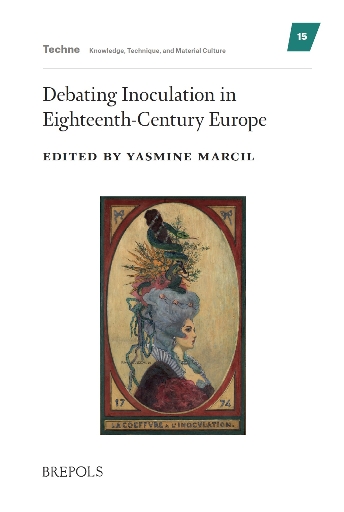
Abstract
Smallpox (known as "variole" or "petite vérole" in French) spread relentlessly across Europe during the eighteenth century, gaining an unprecedented and deadly momentum. While there was no cure for this highly infectious and often fatal disease, those that recovered from it were immune to future infections. This phenomenon was the origin of a practice of inoculation, whereby infectious material was introduced into the body to induce immunity. In Europe, this practice was initially experimented with in England, and it was subsequently adopted across the continent during the eighteenth century. Inoculation was, however, not without controversy—not least because the practice originated outside of Europe—and it became the subject of intense debate. This debate, this volume argues, extended beyond medical circles to include intellectuals and the broader public—a phenomenon driven by a growing periodical press. As books, scientific treatises, and plays crossed regional and national boundaries, debates on inoculation must, this volume shows, be examined within a European, transnational perspective, thereby considering how ideas were shaped by adaptation, translations, and citation. Doing so, this volume not only sheds new light on the history inoculation as a practice, but also illustrates how cultural history can enrich history of medicine
