
Full text loading...



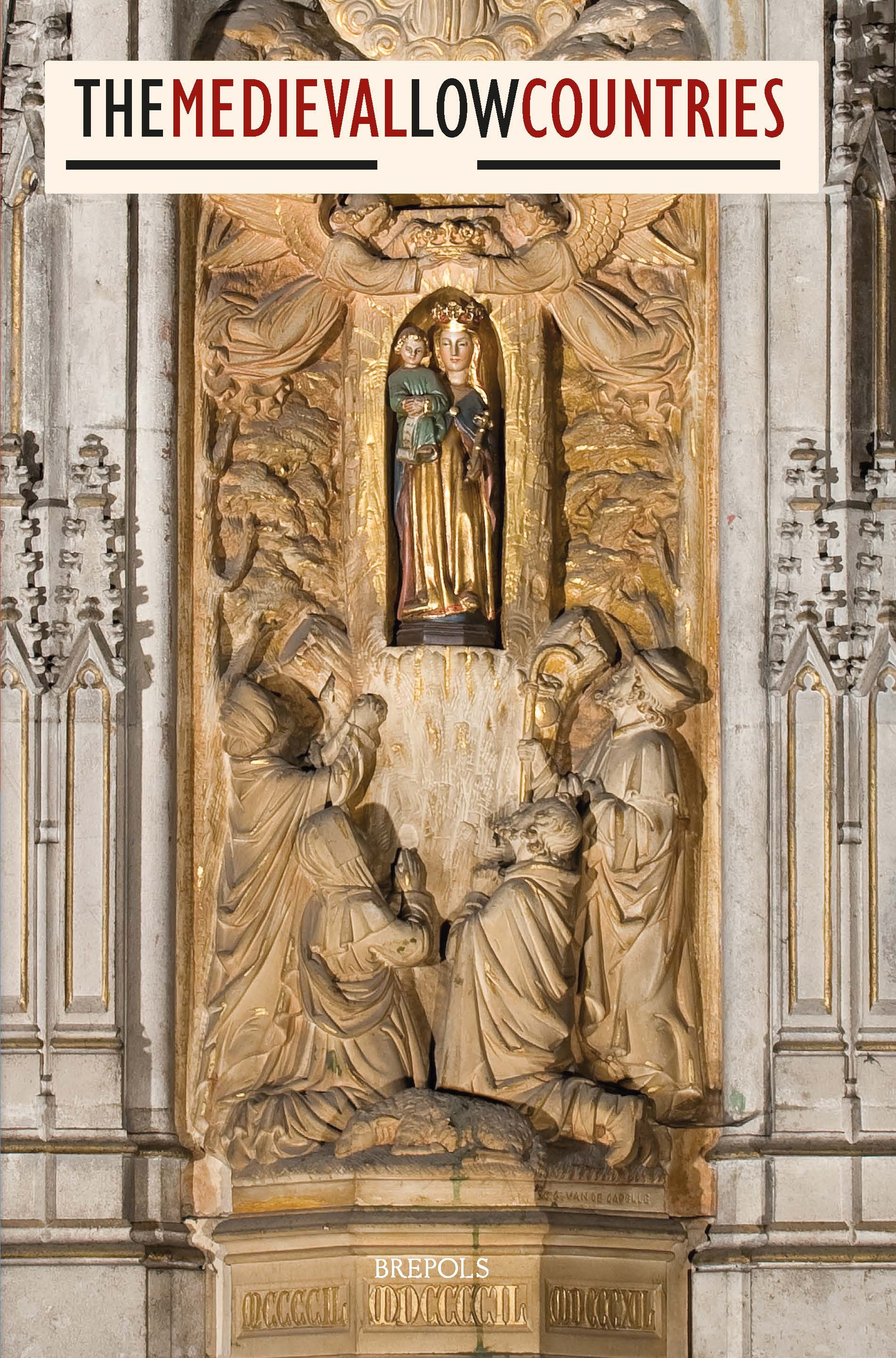
A religious community’s foundation was a unique moment in the building of institutional remembrance and the identity of the founder(s) was of primary importance to the identity and cohesion of the religious group. However, as few foundation stories have emerged from communities of regular canons in Flanders, the tale of the Watten priory, the earliest community of regular canons in Flanders, is all the more illustrative. The existence of different genres in which Odfried, the founder, is remembered reflects the search for a fitting memoria for the man who unleashed a controversial debate between advocates and opponents of Church reform. The fact that he also continued to stir emotions after his death is shown by the Watten Exordium and two miracle stories, one written at Watten, the other at Saint-Riquier Abbey in Picardy. Odfried was remembered as someone who undeniably had great qualities, merits that even partook of saintliness, though in the long run they were not to result in his lasting veneration as a saint. The unique case of Watten can therefore shed light not only on the difficulties with which a novel form of religious community faced, but also on the discursive strategies which that community deployed to confront those challenges.