


The Many Faces of the Lady of Elche
Essays on the Reception of an Iberian Sculpture
Abstract
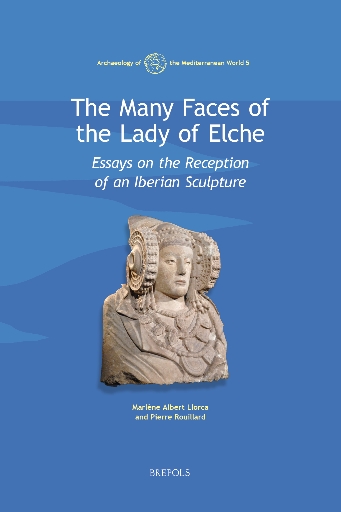
On 4 August 1897, farm workers in Elche — the site of ancient Ilici — discovered an Iberian sculpture of a woman that dated from the fifth– fourth centuries BCE. French archaeologist Pierre Paris dubbed this figure ‘the Lady of Elche’, and promptly purchased the sculpture on behalf of the Louvre Museum. There, she drew the attention of European scholars who were intrigued by her stylistic features, finally concluding that she bore witness to the existence of a specifically Iberian art. Since her discovery, the Lady of Elche has been a source of fascination not only for scholars, but also for artists, and she has become an icon of regional and national identity across Spain. This volume, co-written by an archaeologist and an anthropologist and translated here into English for the first time, seeks to explore the importance of the Lady of Elche, both for students of the past, and for the peoples of Iberia. The authors here explore not only what we know — and still do not know — about her creation, but also engage with key questions about what she represents for the men and women of our time who have questioned, manipulated, admired, loved, and often reinvented the singular beauty of this iconic figure.
