


Monastic Europe
Medieval Communities, Landscapes, and Settlements
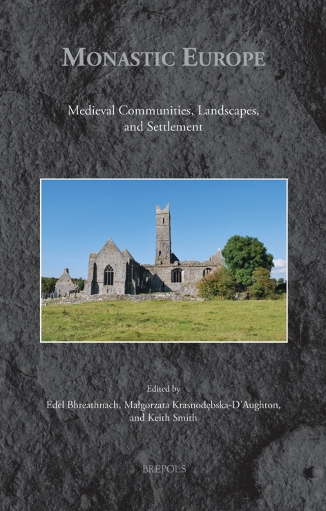
Abstract
Monasticism became part of European culture from the early period of Christianity and developed into a powerful institution that had a profound effect on the greater Church, on wider society, and on the landscape. Monastic communities were as diverse as the societies in which they lived, following a variety of rules, building monasteries influenced by common ideals and yet diverse in their regionalism, while also contributing to the economic and spiritual well-being inside and outside their precincts.
This interdisciplinary volume presents the diversity of medieval European monasticism with a particular emphasis on its impact on the immediate environs. Geographically it extends from the far west in Ireland, Scotland, and Wales, to the east in Romania and the Balkans, through the north of Scandinavia to the south of the Iberian Peninsula. Drawing on archaeological, art and architectural, textual and topographical evidence, the contributors explore how monastic communities were formed, how they created a landscape of monasticism, how they wove their identities with those around them, and how they interacted with all levels of society to leave a lasting imprint on European towns and rural landscapes.
