
Full text loading...



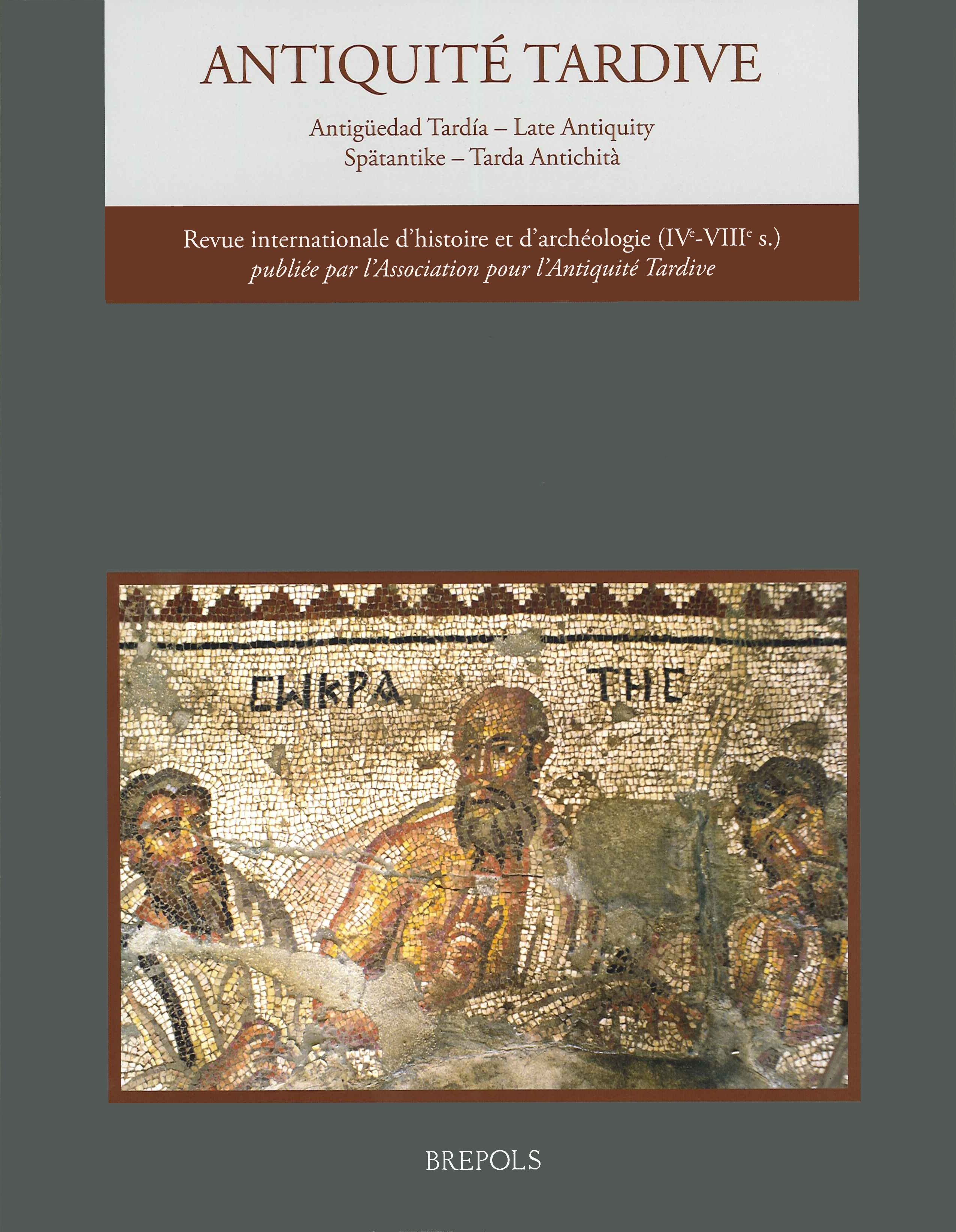
This article studies the place of medicine and the sciences in education, research and society in Late Antiquity. Neither in the Hellenistic nor the Roman period did mathematics form part of a general education, it was reserved for those seeking a professional training - architects, engineers, surveyors - or to a few advanced students of philosophy: for them, as the ancient texts demonstrate, mathematics was conceived as a stage in philosophical education; by the study of actual numbers the student could discover the ontological function of intelligible numbers, and thus reach dialectic, the purest branch of philosophy. Arithmology, astrology, alchemy and Neoplatonic theurgy rested on the same philosophical basis. Mathematical teaching and research, moreover, were the work of philosophers in the Platonic tradition. Athens and Alexandria played an essential role in the transmission of learning, but other cities — especially in Syria and Mesopotamia - also made a contribution. Outside the philosophical schools there also was interest in geography, especially cartography, which seems to have been used regularly by rhetors and grammarians. As for medicine, it never detached itself from philosophy. The Latin tradition was constructed from compilations or translations of Greek works, with the result that ancient science was often transmitted in the Middle Ages in a dramatically reduced and altered form. In the eastern empire, after the formation of a corpus of medical writing - essentially from Hippocrates and Galen -, medical knowledge was either transmitted from Alexandria to Constantinople, or passed down via Middle Eastern languages - principally Arabic and Syriac. We do not know very much about the education of doctors, who came from a variety of backgrounds - slaves, men of high rank, and foreigners — and varied in status — as public doctors, free doctors and itinerant doctors.