
Full text loading...



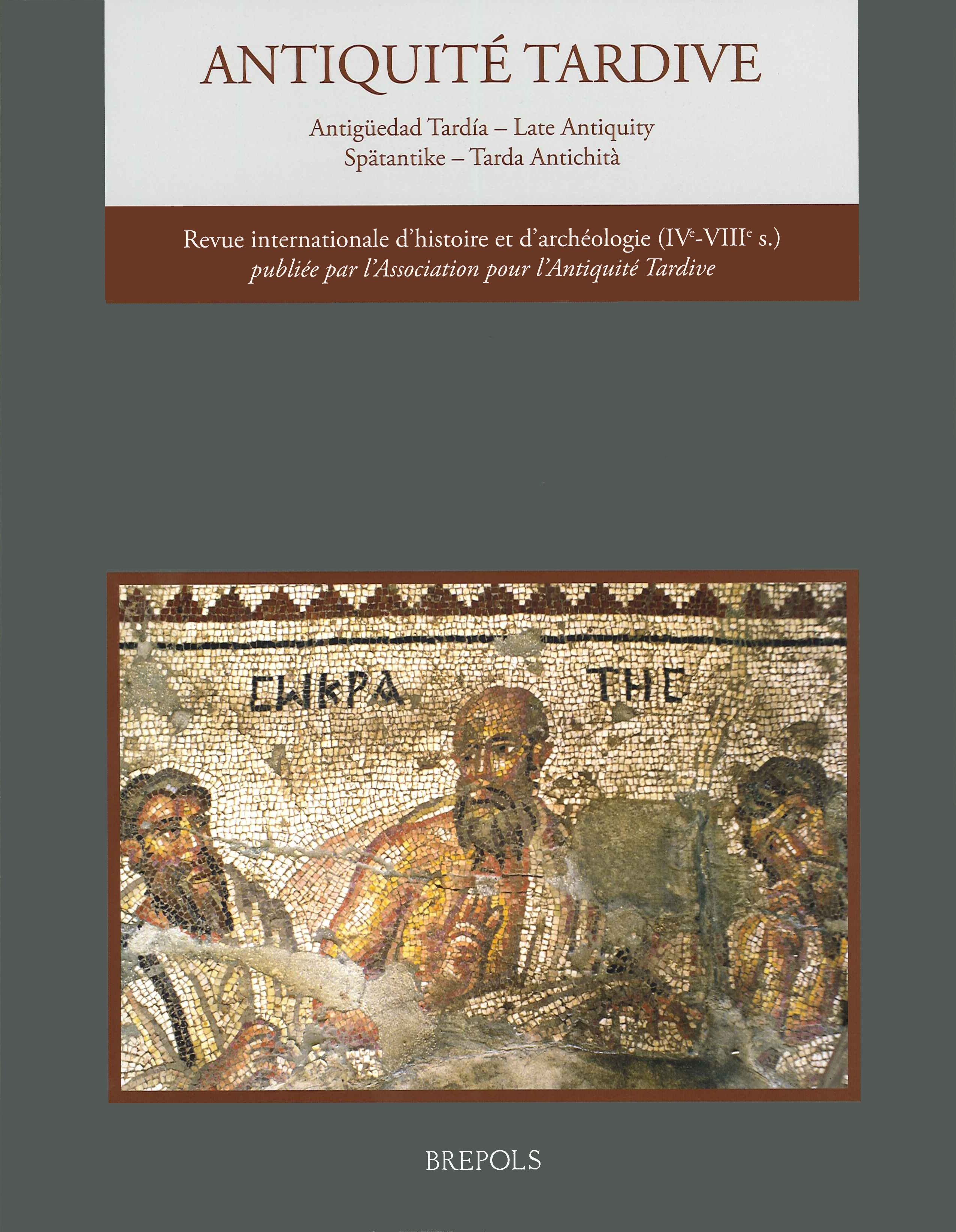
This paper examines the respective value of literary, epigraphic, numismatic sources relating to a central theme of emperor Julian’s propaganda: his theocratic conception of power. He makes use of all available means of communication to propagate the idea that his empire had been wanted by the gods and that he himself had accepted the throne as a mission to fulfil for everyone’s good. The emperor shows himself as a righteous and pious man who totally places his trust in the destiny that has been traced for him: he wants to make people think that he had never desired power, but he had to obey superior will. From Julian’s propaganda comes also the identification with a series of heroes (Heracles, Achilles, Empedocles) who in the late antiquity had assumed a pagan and philosophic role, alternative to that of Jesus: during his life and even more after his death and apotheosis, Julian becomes a kind of pagan god in contraposition to the Christian God.