


Power and Rural Communities in Al-Andalus
Ideological and Material Representations
Abstract
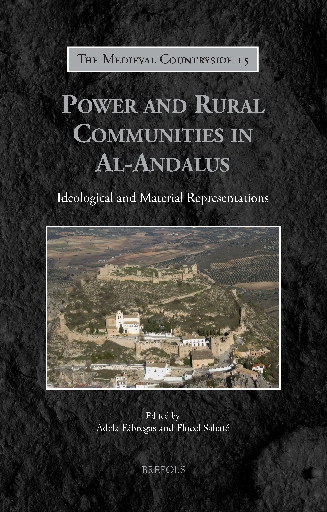
This volume explores new definitions of state power in Al-Andalus throughout the Middle Ages by examining the interactions of the Andalusian state with its Islamic society, looking at specific moments in Andalusian history in a variety of local, geographical contexts. The essays collected here adopt largely archaeological methodologies, considering in turn the various spaces reclaimed by the state and its material remains, as well as the footprints of state impact on other local and territorial organizational structures. In addition, these means of analysis directly highlight those spaces that remained outside of state control, while also supporting consideration of how and why they managed to do so.
The essays use the territorial dimension of the kinship–state dichotomy as a starting point for considering its means of operation and evolution over time. Beginning with the traditional assumption that territorial configuration patterns are heavily determined by the relative weight of the different authorities operating in a given territory, the essays identify the different agents operating in Al-Andalus (mainly the state and gentry-based peasant communities) through insightful archaeological and historical considerations of medieval Andalusian society’s material remains. With special attention also paid to the Nasrid Kingdom of Granada — the Andalusian territory lasting longest under Muslim rule — this collection makes an important contribution to larger historiographical debates surrounding the medieval Islamic world.
