


BOB2021MOME

Collection Contents
2 results
-
-
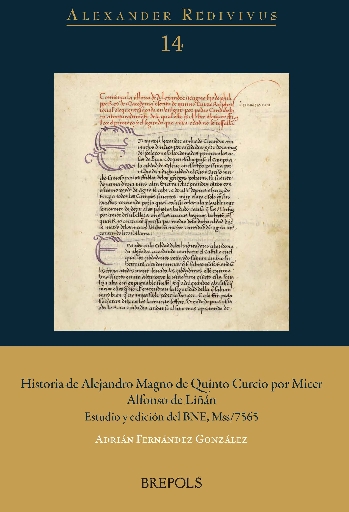
Historia de Alejandro Magno de Quinto Curcio por Micer Alfonso de Liñán
show More to view fulltext, buy and share links for:Historia de Alejandro Magno de Quinto Curcio por Micer Alfonso de Liñán show Less to hide fulltext, buy and share links for: Historia de Alejandro Magno de Quinto Curcio por Micer Alfonso de LiñánInteresado en las hazañas de los grandes caudillos de la Antigüedad, el aragonés Alfonso de Liñán (†1468) tradujo las Historiae Alexandri Magni de Quinto Curcio al castellano a partir de la versión italiana de Pier Candido Decembrio. El texto se conserva todavía en la Biblioteca Nacional de España, bajo la signatura BNE Mss/7565. Testimonio valioso para el estudio de la traducción medieval y sus funciones, el códice recuerda sobre todo la fascinación de aquel lectorado por Alejandro Magno, ya conocido en la literatura castellana desde el Libro de Alexandre. En los albores del Renacimiento, el macedonio va a ser un modelo para una nobleza que debe definirse bajo nuevos criterios. El presente volumen ofrece el estudio y la edición de esta traducción y desvela los intereses de un noble aragonés por la figura alejandrina.
-
-
-
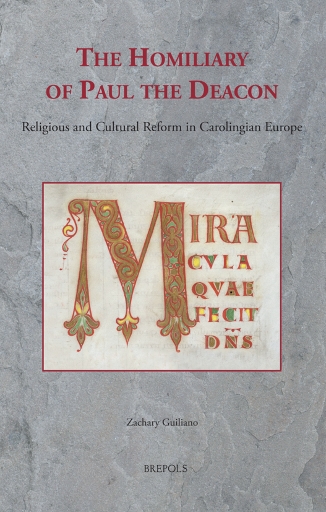
The Homiliary of Paul the Deacon
show More to view fulltext, buy and share links for:The Homiliary of Paul the Deacon show Less to hide fulltext, buy and share links for: The Homiliary of Paul the DeaconAs one of the most widely used products of Charlemagne’s religious and cultural reforms, the homiliary of Paul the Deacon is a unique monument in the history of Western Europe. Completed around AD 797, this collection of patristic homilies and sermons shaped the religious faith and liturgical practices of the churches in Carolingian Europe and those of countless other churches over the course of a millennium of use.
Until now, scholarly study of the homiliary has rested on seven partial witnesses to the collection. This study, however, draws on over 80 newly identified witnesses from the Carolingian period, while providing a brief guide and handlist to hundreds of later manuscripts. It replaces the current scholarly reconstruction of the homiliary, discusses the significance of the collection’s liturgical structure and provisions, and considers the composition of the homiliary in the context of Charlemagne’s reforms and Paul’s patron-client relationships. The study also brings together evidence for the production and use of this text in thirty-three Carolingian monasteries, cathedrals, and churches.
The book then addresses the homiliary’s theological character: the contents of the homiliary reflected a concern for expressing and defending orthodox doctrine at Charlemagne’s court against Trinitarian and Christological heresies, as well as an urgent attention to moral reform in the light of a belief in the imminence of divine judgement. Finally, the study demonstrates the varied uses of Paul’s collection and its historical legacy.
-