


BOB2025MIOT

Collection Contents
3 results
-
-
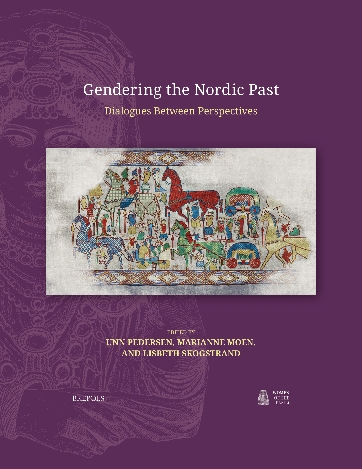
Gendering the Nordic Past
show More to view fulltext, buy and share links for:Gendering the Nordic Past show Less to hide fulltext, buy and share links for: Gendering the Nordic PastThe idea of the Nordic nations as champions of gender equality is firmly rooted in today’s perceptions of society. But how does such a modern comprehension influence our views of history? Does our understanding of gender impact on how we see the past? And do the ways in which we gender the past have an effect on our present identities?
From the Stone Age to the Early Modern period, and from warriors and queens to households and burials, this groundbreaking volume draws together research conducted as part of the project Gendering the Nordic Past, an inter-Nordic collaboration aimed at (re)evaluating and revitalizing the field of gender studies in the region. The chapters gathered in this volume, contributed by archaeologists and historians, theologians, art historians, and specialists in gender studies, aim to offer novel perspectives on the ways in which we gender the past. While many of the chapters focus explicitly on the Nordic countries, comparisons are also drawn with other regions in order to provide both internal and external views on the role of the collective past in present Nordic identities. The result, presented here, is an essential dialogue into the importance of gender in creating and maintaining past identities, as well as a new understanding of how the identities that we construct for the past can relate to heritage narratives.
-
-
-
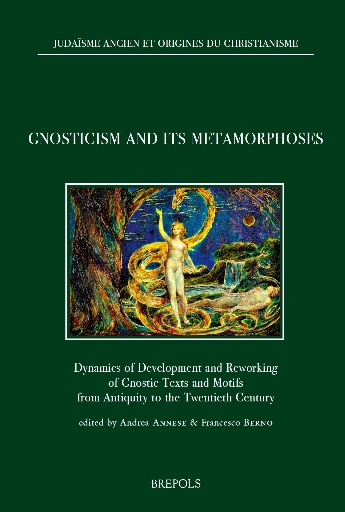
Gnosticism and Its Metamorphoses
show More to view fulltext, buy and share links for:Gnosticism and Its Metamorphoses show Less to hide fulltext, buy and share links for: Gnosticism and Its MetamorphosesThe complex and multifaceted religious phenomenon called Gnosticism continues to fascinate both specialists and the wider audience. This volume explores the “metamorphoses” of Gnosticism, through the analysis of selected examples. Late antique Gnostic groups and schools of thought developed and even changed their ideas when interacting with other religious groups and with various sources. Confrontation and polemics with the so-called “Great Church” and with other Christian groups were crucial to doctrinal elaboration of all parties involved. On a different side, one can trace the metamorphoses of Gnostic ideasthrough the centuries, as these ideas influenced, and were reinterpreted by, other religious and cultural traditions and currents, from Manichaeism to medieval dualistic movements, modern esotericism, and even contemporary literature.
The essays gathered in this volume focus on two main topics, namely how ancient Gnostic groups developed their doctrines by interpreting and reworking their wide range of sources (Jewish, early Christian, Platonic ones, etc.), and how ancient Gnostic ideas and motifs survived – with new forms – in later philosophical, religious, and literary works, up to the twentieth century.
The volume consists of three sections, the first being dedicated to early anti-Gnostic controversy in texts embedding Jewish-Christian and Petrine traditions and using Gnostic motifs for polemical purposes; the second to some treatises from the Nag Hammadi corpus and other Gnostic manuscripts (plus Epiphanius’ Panarion) so as to provide fresh insights into late antique Gnostic texts and groups; and the third to three case studies of the modern reception and reworking of Gnostic writings and ideas.
-
-
-
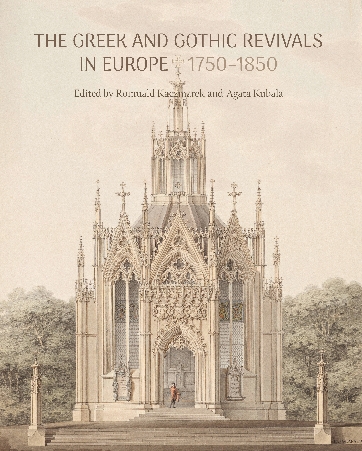
The Greek and Gothic Revivals in Europe 1750–1850
show More to view fulltext, buy and share links for:The Greek and Gothic Revivals in Europe 1750–1850 show Less to hide fulltext, buy and share links for: The Greek and Gothic Revivals in Europe 1750–1850This book combines the Greek and Gothic Revival phenomena in the period between 1750 and 1850, showing the common cultural background of these artistic trends referring to the past. It presents examples from almost all over Europe. In addition to the introductory text problematizing the idea, there are studies of more detailed issues - topographic shots presenting the aforementioned phenomena within artistic regions, presentations of projects undertaken by outstanding personalities of the era, as well as analyses of individual assumptions or works.
-