


BOB2025MIOT

Collection Contents
3 results
-
-
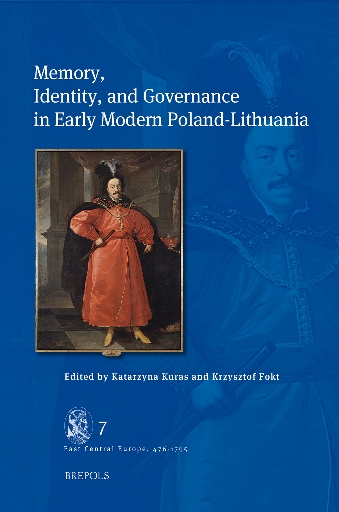
Memory, Identity, and Governance in Early Modern Poland‑Lithuania
show More to view fulltext, buy and share links for:Memory, Identity, and Governance in Early Modern Poland‑Lithuania show Less to hide fulltext, buy and share links for: Memory, Identity, and Governance in Early Modern Poland‑LithuaniaIn the early modern period, Poland–Lithuania stood as a realm where the echoes of a storied past intertwined with the ambitions of a dynamic present. This volume illuminates how its diverse populace navigated the complexities of their shared heritage, weaving tradition with innovation to craft a uniquely multi-layered identity. The essays presented here examine the dual nature of historical inheritance in this vast polity. On the one hand, the past served as a treasure trove of enduring ideas, compelling narratives, and time-tested practices that enriched cultural and political life. On the other, it posed formidable challenges, requiring creative adaptation to meet the demands of changing times. By exploring established narratives, performative traditions, and historical frameworks, the contributors uncover the intricate ways in which memory influenced decision-making and societal evolution. They reveal how the past was neither static nor simply an obstacle, but was an active force that shaped contemporary aspirations and inspired visions of the future. Through the lenses of rulers, nobles, intellectuals, and commoners, this collection offers fresh perspectives on how the people of Poland–Lithuania harnessed the power of history to craft a legacy that transcended their era. Essential reading for scholars and enthusiasts alike, this work examines the enduring dialogue between memory and identity in one of Europe’s most compelling early modern states.
-
-
-
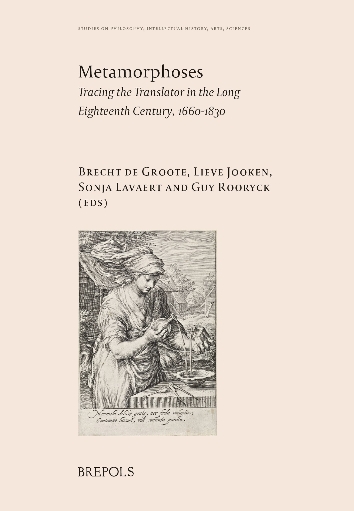
Metamorphoses
show More to view fulltext, buy and share links for:Metamorphoses show Less to hide fulltext, buy and share links for: MetamorphosesTranslators are crucial to the constitution, dissemination, and adaptation of literatures, cultures, and ideas. However, their presence in the historical record often proves difficult to recognise or retrace. This volume places front and centre this key problem for historians of translation, as well as for historians of literature, culture, and ideas. It sheds new light on the much-debated (in)visibility of historical translators by investigating in what contexts and through what strategies translators sought to render themselves either (in)visible, and how critics and scholars can now trace these efforts. When and how does the visible metamorphose into the invisible, and vice versa?
The volume focuses on the long eighteenth century, a period which witnesses a metamorphosis in literature and culture that tells powerfully on translators. From relatively visible cultural actors, they are reduced to enforced invisibility as cultural products stabilised their meanings around singular authors. Tracing this shift across a swathe of products and practices, the book conducts its investigations across a range of genres, ranging from radical politics over philosophy to opera; taking in languages and cultures across Western Europe.
Chapters employ case studies to develop methodological and theoretical models that will empower scholars of translation history to recover translators, both from the direct evidence of their work and from the networks and tools that supported them.
-
-
-

The Missing Interaction: Science and Diplomacy in the Early Cold War
show More to view fulltext, buy and share links for:The Missing Interaction: Science and Diplomacy in the Early Cold War show Less to hide fulltext, buy and share links for: The Missing Interaction: Science and Diplomacy in the Early Cold WarThis book enriches our understanding of the circumstances and conditions that have made the relation between science and diplomacy a primary concern of the political landscape in the twenty first century. As western liberal democracy and its effects on the environment but also on global war politics are under question, authors in this collective volume rethink the effects that an ahistorical definition of science diplomacy has had on world politics. They document the historicity of the entanglement between, on the one hand, epistemic practices and knowledge production and, on the other, foreign policy strategies and negotiation tactics. The book is the first in a series of what Rentetzi calls 'Diplomatic Studies of Science', a highly inter- and trans- disciplinary field that analyzes science and diplomacy as historically co-produced. It primarily focuses on the entanglements of science and diplomacy after the Second World War, bridging history of science, diplomatic history and international relations
-