


BOB2025MOME

Collection Contents
2 results
-
-
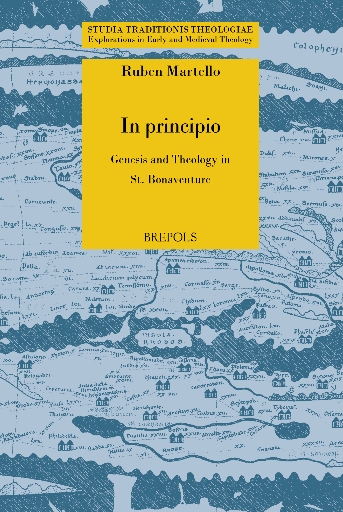
In Principio
show More to view fulltext, buy and share links for:In Principio show Less to hide fulltext, buy and share links for: In PrincipioThis volume offers a fresh approach to the structure of Bonaventure’s thought. Ruben Martello argues that Bonaventure employs the Genesis creation account as an overarching framework and fecund source for understanding nature, theology, and even Scripture itself. Beginning with Bonaventure’s view of the literal meaning of Scripture, the reception of the hexaëmeron is traced chronologically in a number of major theological works. Bonaventure is interpreted in light of the hexameral commentarial tradition like Augustine’s De Genesi ad litteram, and filtered through Dionysian and Victorine inspired hermeneutics. It is proposed that reading Genesis in Bonaventure may clarify a number of contemporary disputed theological, exegetical and epistemological concerns. This study also unpacks the Bonaventurian understanding of the distinctive senses of the 'image' and 'likeness' of God, aiding in the articulation of a rich theological anthropology.
-
-
-
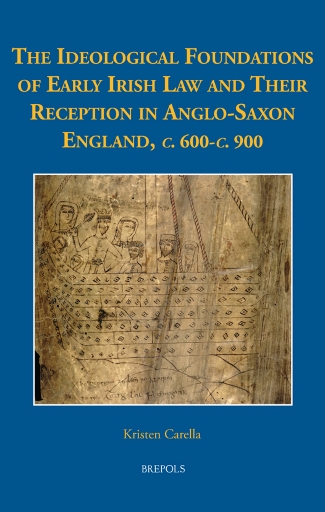
The Ideological Foundations of Early Irish Law and Their Reception in Anglo-Saxon England, c. 600–c. 900
show More to view fulltext, buy and share links for:The Ideological Foundations of Early Irish Law and Their Reception in Anglo-Saxon England, c. 600–c. 900 show Less to hide fulltext, buy and share links for: The Ideological Foundations of Early Irish Law and Their Reception in Anglo-Saxon England, c. 600–c. 900Old Testament Levites who considered the Law of Moses to be the living law: this has long been the established view among many scholars for how early Irish jurists perceived themselves, as well as how they saw the broader theoretical and religious bases of their jurisprudence. In this volume, however, Kristen Carella offers a timely reassessment of scholarly opinion, exploring Irish legal texts within the broader context of both vernacular Irish and Hiberno-Latin literature to argue that early Irish Christian intellectuals in fact saw themselves as gentile converts, subscribing to an orthodox Christian faith that was deeply infused with Pelagian theology.
Certain aspects of Irish legal ideology, particularly Irish views of divine history and pseudo-historical ideas about their own ethnogenesis, moreover, extended out of Ireland and into Anglo-Saxon England; their impact can be seen on lawmakers such as Alcuin, when he helped draft the Anglo-Latin Legatine Capitulary of 786, and King Alfred of Wessex, when he composed the Old English prologue to his law code in the late-ninth century. Through this approach, this volume not only challenges long-held scholarly views on Irish legal ideology and its influences beyond Ireland, but also provides a new paradigm for intellectual relations between early medieval Ireland and England.
-