
Full text loading...



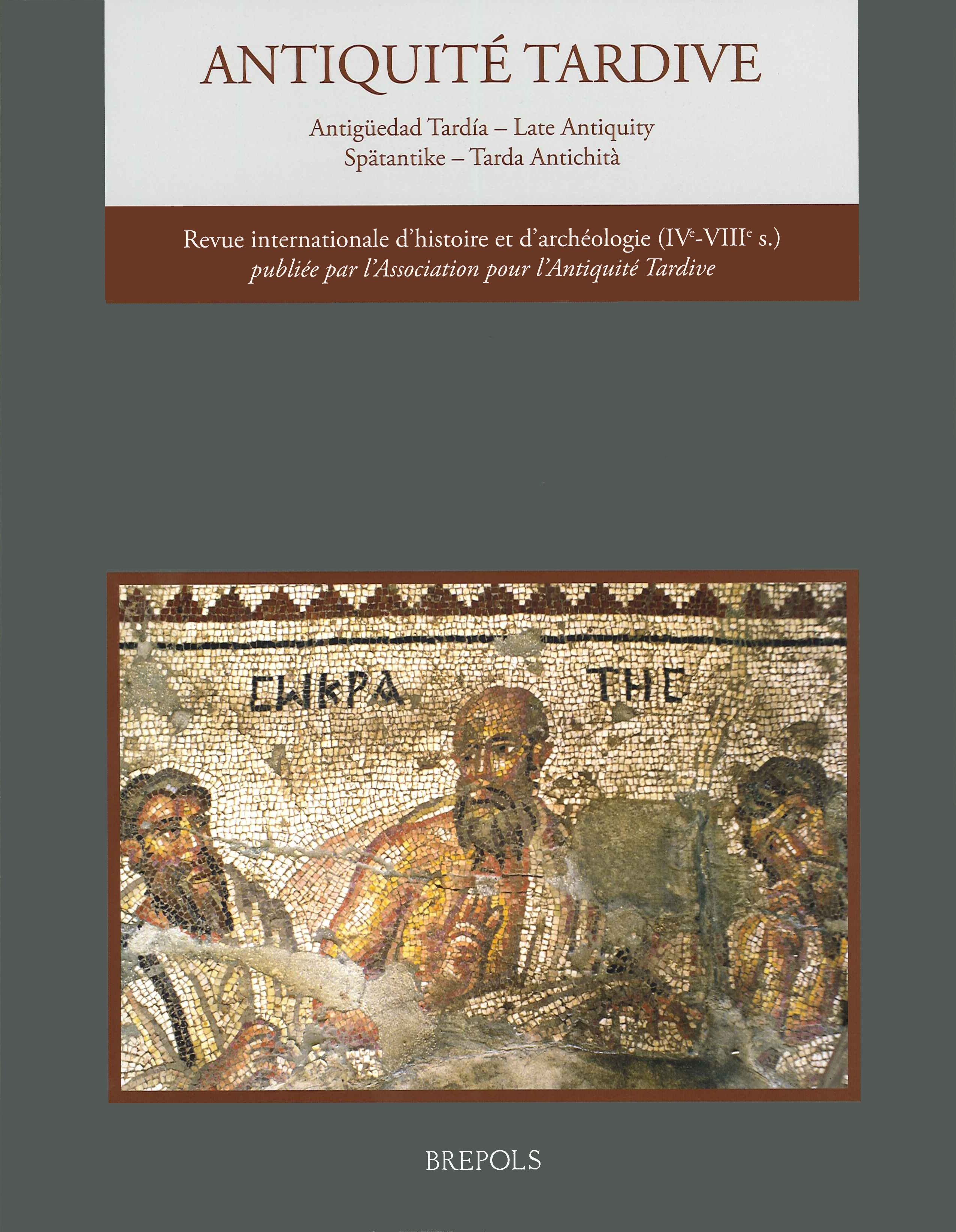
Since L. Schmidt and C. Courtois, it has been generally understood that the territorial settlement of the Vandals in Africa started shortly after 439 when estates belonging to the Roman aristocracy and nobility were seized and redistributed to the warriors of Gaiseric. Over the last two decades, however, the theories of W. Goffart, developed by J. Durliat, have cast doubts over this model, with an increasing number of studies contesting the independence of the Vandal kingdom. In refutation of these theories, the present author first argues that Gaiseric and his successors, who were officially the “friends and allies of the Empire” and therefore treated as “client kings”, acted in practice like independent sovereigns, especially concerning the settlement of their people. Second, the author presents a collection of substantial texts that provide evidence (contrary to the thesis of Durliat) of the confiscation of properties, essentially in the province of Africa proconsularis. Most important, based on a study of religious persecution, he presents the scattering of the Vandalic families in the African countryside as the result of these confiscations. Finally, he offers an analysis of the complex methods employed by Justinian after 533 to recover or give back the territories, in favour of the State, of private individuals, or of the Church.