
Full text loading...



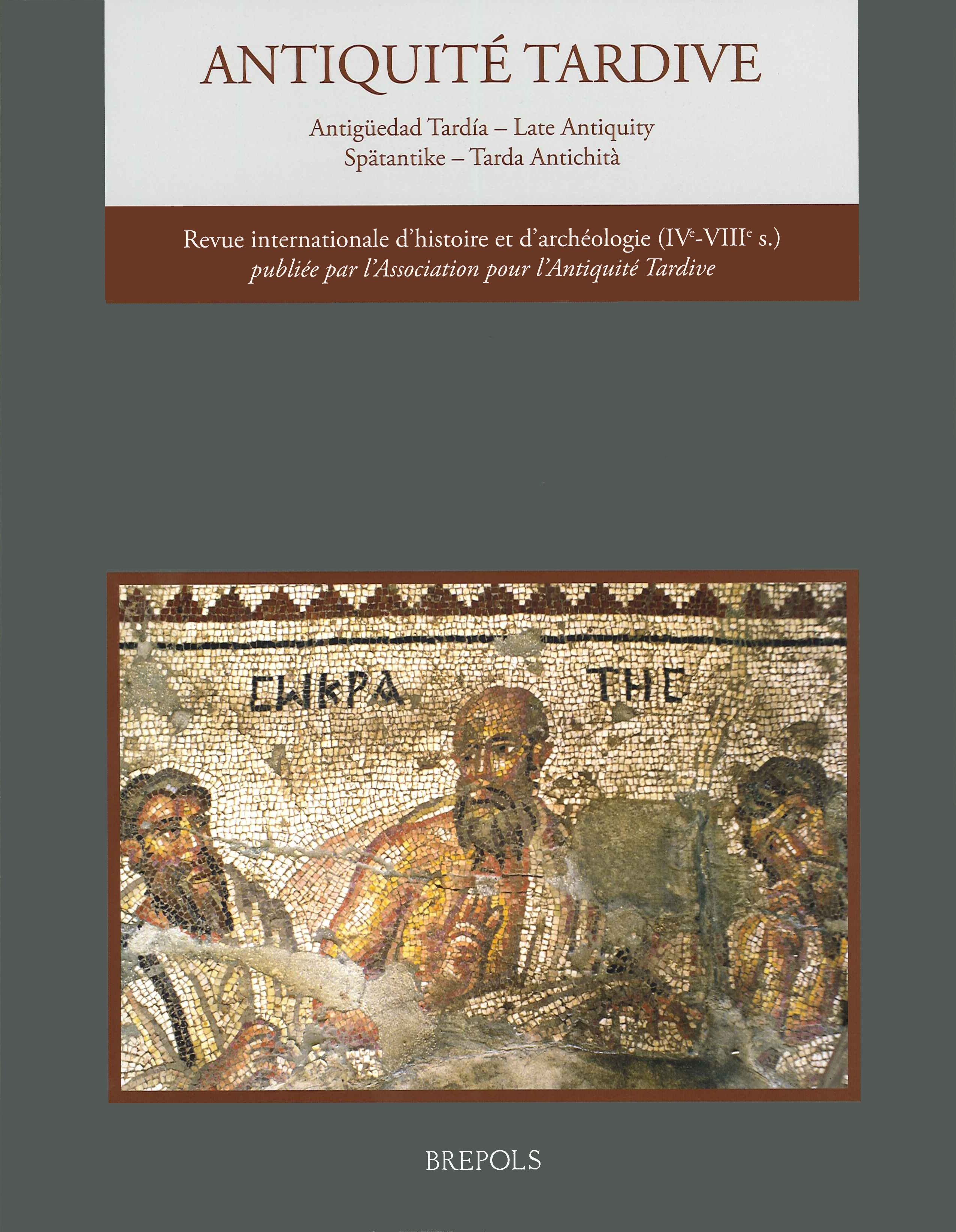
More than 300 tituli honorarii for provincial governors have come down to us from late antiquity. The vast majority was erected in provincial municipalities toward the end of the honoree's term of office and, at least in the 4th through the first half of the 5th century, most of them were also paid for by the cities and towns. Generally honorific inscriptions were written on bases upon which larger than life-size marble statues (togati or chlamydati) were placed, resulting in a monument some 3-3.5m high. The small number of honors received from the provincial concilia demonstrates the exclusivity of such a distinction. By comparison, the small number of honors received from individual persons and groups clearly points to a social change in late antique society, characterized as it was by roles and hierarchies. Nevertheless, the content and form of all such tituli honorarii bestowed upon provincial governors reflect especially well the self-image of late antique senators, an ideal which governors, who were ranked as perfectissimi, aspired to achieve. Both the mention of ancestors who held public office and the listing of the public offices which the honoree occupied were often confined to honorific inscriptions at Rome and in cities in which the senators owned property. In the 5th century, acclamations, inscriptions on buildings, in mosaics and under painted portraits seem to have been considered increasingly as an alternative to statuary honours, a shift possibly linked with a constitution from 444 AD requiring honoree to finance themselves statues erected in their honor.