
Full text loading...



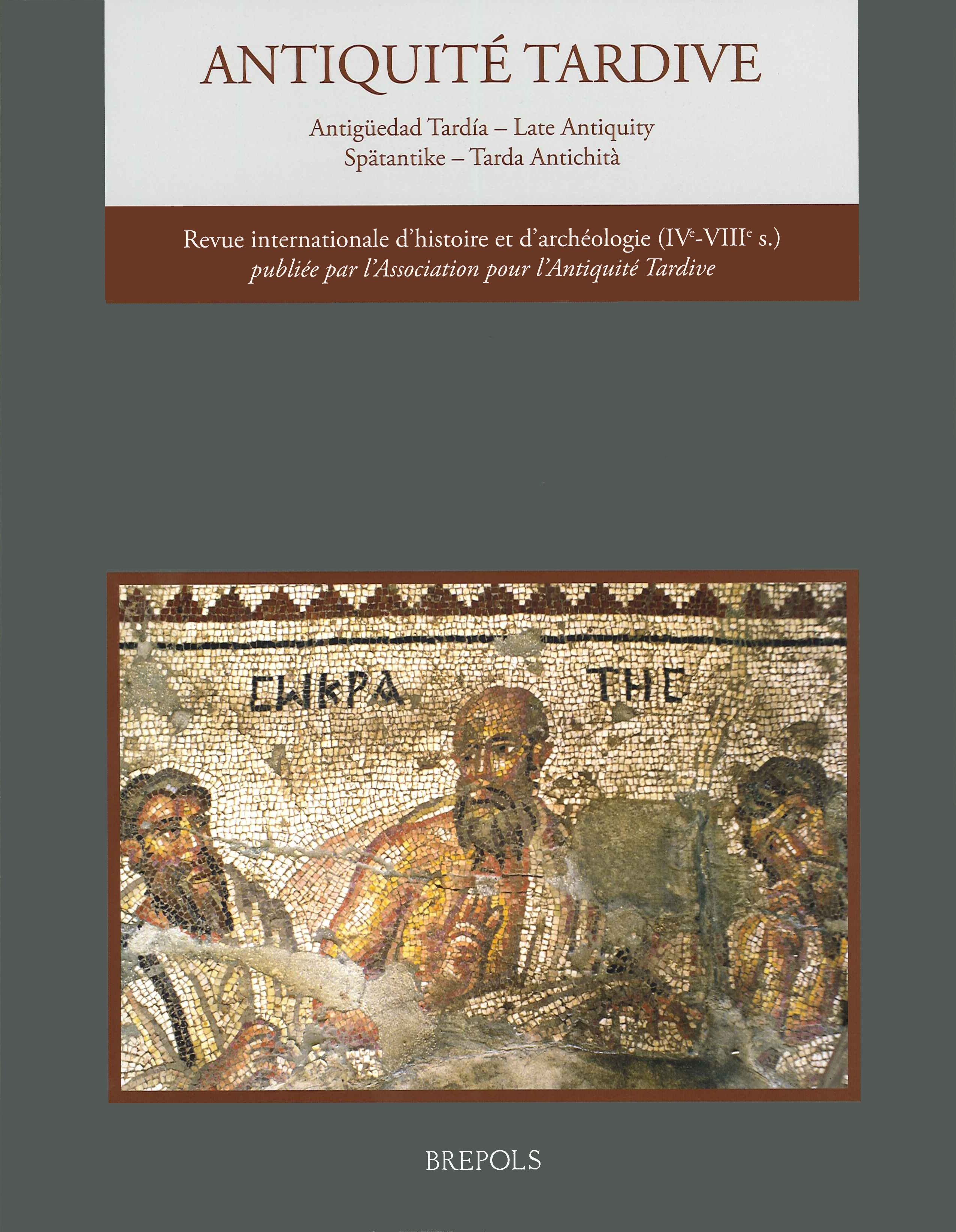
Heresiological discourse has turned the simulatio of Manicheans into a recurrent topic. The integration of this issue into imperial legislation during the reign of Theodosius I was accompanied by the incorporation of denunciation as a method to uncover Manicheans and by the instituting of harsh penalties against those who persevered in their error. Nonetheless, from Constantine onwards, heretics could elude the punishment set forth in the laws through public abjuration of heresy. In the case of Manicheans, Honorius in 407 ratified the possibility of freeing them from their guilt provided they agreed to make public and voluntary condemnation of their error.
The implementation of the laws left ample margin for interpretation, elusion and adaptation to various contexts. Augustine, a former Manichean auditor and an expert in the simulatio strategy, reports a process of the implementation of anti-Manichean laws which both included non-exclusive options: the Manicheans’ abjuration of their heresy would only be credible as long as it was accompanied by the denunciation of the highest possible number of co-religionists. This paper examines the iter followed by a commonplace in heresiological discourse after it was incorporated into the laws and the implementation of anti-Manichean legislation in Africa based on the testimony of Augustine.