


BOB2023MOOT

Collection Contents
2 results
-
-
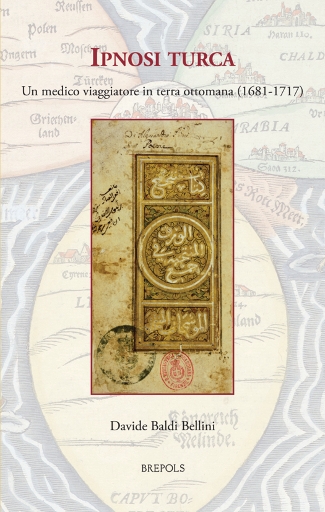
Ipnosi turca
show More to view fulltext, buy and share links for:Ipnosi turca show Less to hide fulltext, buy and share links for: Ipnosi turcaLe lettere del medico fiorentino Alessandro Pini (1653-1717) e il suo trattato De moribus Turcarum fanno emergere un’immagine avvincente del popolo egiziano e della cultura ottomana. Ciò che Pini ha osservato in Egitto e nel mondo ottomano rivela una straordinaria dimensione mediterranea di commistione culturale, fatta di scambi e di incontri scaturiti dalle necessità lavorative e anche dalla semplice quotidianità. Oltre alla missione scientifica ufficiale egli doveva svolgere un’intrigante attività spionistica per Cosimo III, Granduca di Toscana, in cui si rivelò poi fallimentare. Amareggiato e osteggiato per l’insuccesso, passò poi alle dipendenze della Repubblica di Venezia e dimorò per vari anni a Istanbul e in Morea, dove senza pregiudizi e con ampiezza di vedute osservò le tradizioni e i costumi dei popoli che incontrava. Decise dunque consapevolmente di scrivere l’esaltazione di un mondo che l’Occidente vedeva come il suo alter ego negativo. Sebbene fosse stato imprigionato nella sua società di adozione, Pini rimase affascinato, forse anche ipnotizzato, da quello stesso mondo che lo aveva variamente premiato e frustrato sia nel suo lavoro ufficiale che nel suo incarico segreto.
-
-
-
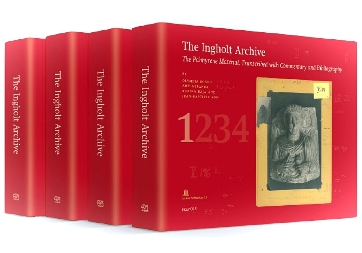
The Ingholt Archive
show More to view fulltext, buy and share links for:The Ingholt Archive show Less to hide fulltext, buy and share links for: The Ingholt ArchiveFor a period of over 50 years, from his first visit to Palmyra in the 1920s until the late 1970s, Danish archaeologist Harald Ingholt carefully collected and curated a detailed archive of Palmyrene sculpture, architecture, and epigraphy. Containing approximately 2000 images, each archive sheet contains handwritten annotations on Palmyrene funerary art, transcribes and translates inscriptions, includes detailed observations on object style and dating, and provides bibliographical information for each sculpture. As such, this archive is a treasure trove of information on Palmyrene sculpture, architecture, and epigraphy. Moreover, Ingholt’s notes go beyond shedding light on the creation of these sculptures, and also provide rich information about their more recent histories: object biographies offer details on provenance, collection history, and excavation photography. In doing so, they offer unique insights into twentieth-century excavation, conservation, and collection practices. Since 1983, Ingholt’s archive has been housed at the Ny Carlsberg Glyptotek in Copenhagen, Denmark, and then, from 2012 onwards, the archive took digital shape within the framework of the Palmyra Portrait Project at Aarhus University. Now available in print for the first time, the Ingholt Archive is here presented in its entirety as a lavishly illustrated four-volume set. The authors have transcribed and commented upon each sheet in the archive, provided new translations of the inscriptions that accompany the sculptures, and compiled an updated bibliography for each item. This unique set is published together with a detailed introduction, thirteen concordances, and a bibliography, making it an invaluable resource for researchers in the field.
-