
Full text loading...



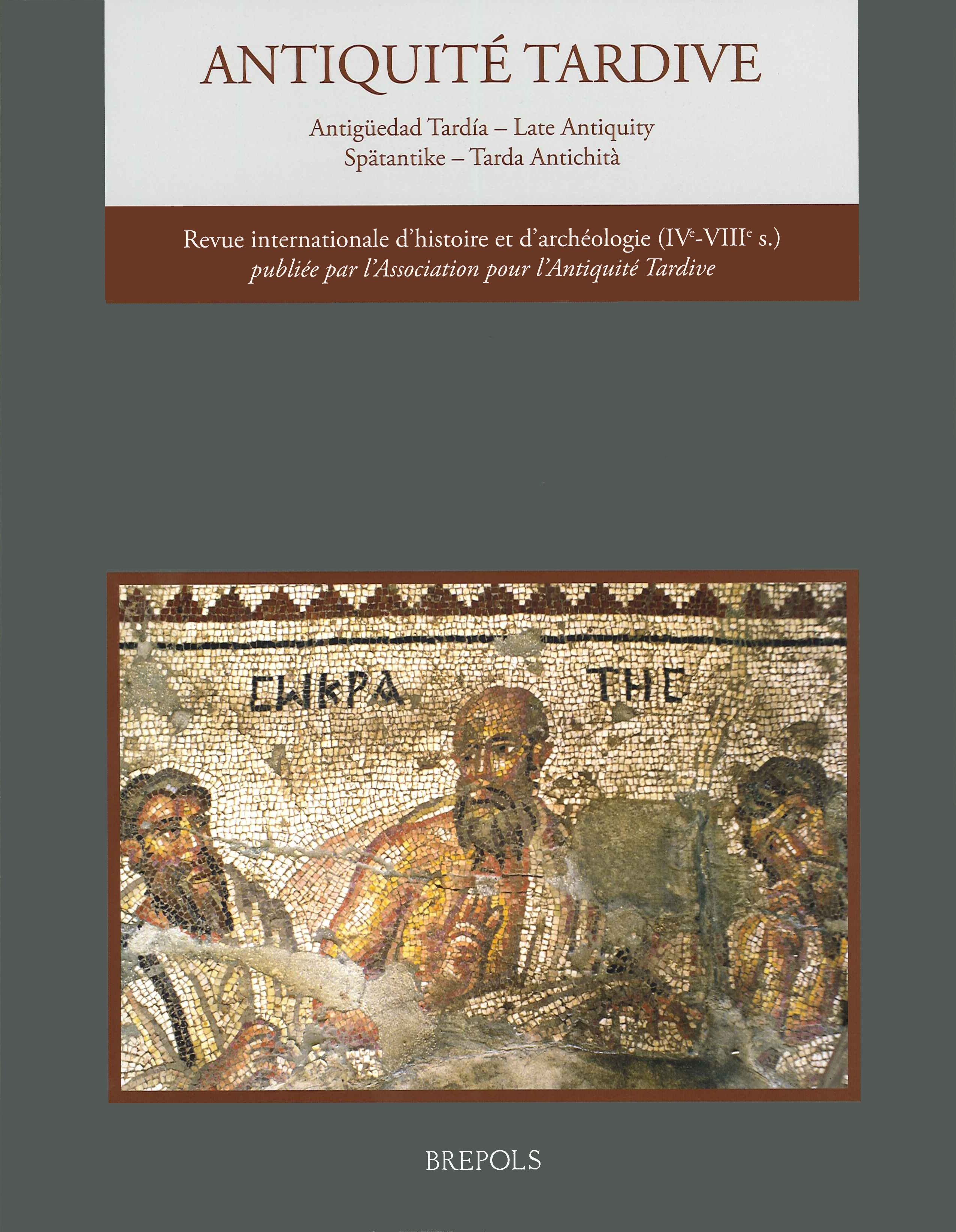
This study based on iconography (mainly funeral), archaeology and texts aims at showing how the influence of the Christian religion on the modes of dressing equally applied to cut, fabric, colour and decoration not only of clothes themselves, but also headgear and shoes, in order to lead the faithfull towards a simple and moral way of living and limit the exuberance of dressing. The function of dress is to cover the body and thereby to insulate and protect the soul. These restrictions on dress code express themselves in two forms: one private, looking for simplicity and banning luuxury and pomp, the other public, manifesting itself in the systematic intervention of the ecclesiastical authorities, through sermons and letters as well as through explicit canonical norms. Members of the clergy initially dressed in the same manner as laymen. A differentiation appeared only at the end of the VIth century, as a result of novelties introduced by German ethnic groups. Monks, alternatively, differentiated themselves by a severe dress uniformly worn by all of them: dark tunic, coarse clogs, a woolen waistband. As a symbol of his new life, the monk removed his secular clothes and put on his new uniform, frequently at a deposition ceremony. Spinning, weaving, sewing and embroidery were activities for women which received a positive assessment from the Holy fathers.