


BOB2024MOOT

Collection Contents
3 results
-
-

Cinismo e Cristianesimo delle origini
show More to view fulltext, buy and share links for:Cinismo e Cristianesimo delle origini show Less to hide fulltext, buy and share links for: Cinismo e Cristianesimo delle originiGesù era Cinico? I suoi discepoli? E Paolo? Queste domande, che rientrano nel più generale tema della possibile influenza del Cinismo sul Cristianesimo delle origini, costituiscono un importante capitolo storiografico, nato in Germania nel primo Novecento e ampiamente sviluppatosi più tardi soprattutto negli Stati Uniti d’America.
A questi problemi è dedicato il presente volume, che, partendo da un’analisi sempre attenta alle evidenze testuali, intende vagliare, da una prospettiva storico-filosofica, la possibilità che Gesù e il Cristianesimo delle origini siano stati influenzati dal Cinismo, e da tale tradizione filosofica abbiano ricevuto sollecitazioni o stimoli. Lo studio è rivolto a testi quali i Vangeli Sinottici e le Lettere Paoline (nello specifico, la Prima Lettera ai Corinzi), in cui i fautori della Cynic Jesus Hypothesis hanno ritenuto di poter rinvenire elementi definibili come ‘cinici’.
Tale analisi si presta in maniera singolare a gettare luce non solo su autori importanti e temi della tradizione cinica particolarmente discussi, ma anche sui rapporti tra la tradizione ellenica e le origini del Cristianesimo.
Tema, quest’ultimo, di interesse non solamente storico-filosofico e teologico ma anche schiettamente teoretico, perché tocca la questione, viva e dibattuta ancora oggi, seppure talvolta sotto forme diverse, delle relazioni tra la riflessione filosofica e il credo religioso, tra fides e ratio.
-
-
-
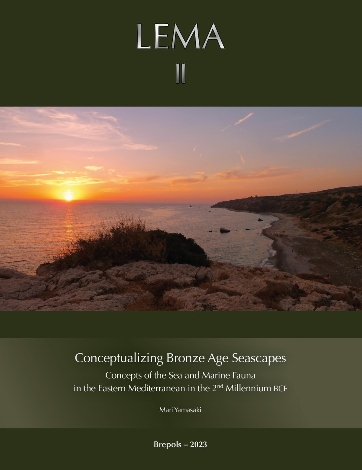
Conceptualizing Bronze Age Seascapes
show More to view fulltext, buy and share links for:Conceptualizing Bronze Age Seascapes show Less to hide fulltext, buy and share links for: Conceptualizing Bronze Age SeascapesThe Mediterranean has, for millennia, formed the heart of an intensive trading network of ideas, goods, and people. For the ancient populations of the Levant, Cyprus, and Southern Anatolia, interactions with the sea — from fishing to seafaring, and from trade to dye production — were a constant presence in their life. But how did the coastal peoples of the Bronze Age understand the sea? How did living on the shore influence their lives, from daily practices to mythological beliefs? And what was the impact on their conceptual world? This volume seeks to engage with these questions by addressing the relationship between environment, diet, material production, perception, and thought formation through a combination of archaeological analysis and engagement with primary sources, and in doing so, it offers unique insights into the conceptual world of the ancient Mediterranean maritime cultures of the 2nd millennium BCE.
-
-
-
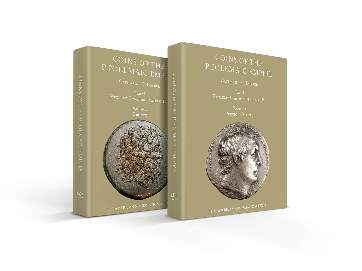
Coins of the Ptolemaic Empire, Part I: Ptolemy I through Ptolemy IV
show More to view fulltext, buy and share links for:Coins of the Ptolemaic Empire, Part I: Ptolemy I through Ptolemy IV show Less to hide fulltext, buy and share links for: Coins of the Ptolemaic Empire, Part I: Ptolemy I through Ptolemy IVCoins of the Ptolemaic Empire, Part 1, Volumes 1 and 2 (Precious Metal and Bronze) by Catharine Lorber, is the massive, long-anticipated catalogue of coins struck by the first four Ptolemaic kings. It essentially rewrites the sections on these rulers in J. N. Svoronos’ classic, but now much out of date, Ta Nomismata tou Kratous ton Ptolemaion (1904). The body of coinage catalogued by Svoronos is enlarged by more than 300 further emissions in precious metal and more than 180 emissions in bronze, recorded from subsequent scholarship, from hoards, from commercial sources, and from private collections, and constituting about a third of the total catalogue entries. Lorber’s attributions, dates, and interpretations rest on numismatic research since Svoronos, or on the latest archaeological and hoard information. She also provides extensive historical and numismatic introductions that give the coins deeper context and meaning. The coinage of Ptolemies I through IV is supplemented by a few issues possibly attributable to Cleomenes of Naucratis, the predecessor of Ptolemy I in Egypt, as well as by coinages of Ptolemy Ceraunus, Magas, and Ptolemy of Telmessus, members of the Lagid dynasty ruling their own kingdoms outside of Egypt.
-