


BOB2024MOOT

Collection Contents
1 - 20 of 30 results
-
-
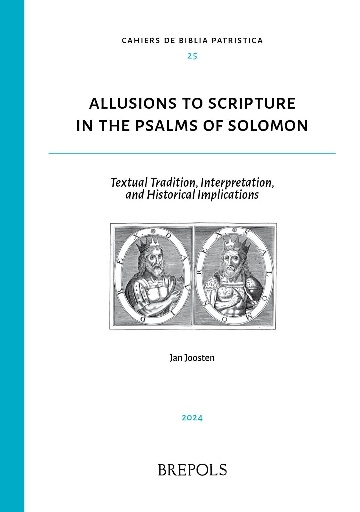
Allusions to Scripture in the Psalms of Solomon
show More to view fulltext, buy and share links for:Allusions to Scripture in the Psalms of Solomon show Less to hide fulltext, buy and share links for: Allusions to Scripture in the Psalms of SolomonLike other Jewish works from the late Second Temple period, Psalms of Solomon alludes constantly to passages in Scripture—particularly the Pentateuch, the Prophetic books and Psalms. Gathering all passages where the Psalms of Solomon refer to a specific verse in Scripture, the present monograph ventures to analyze the authors’ use of Scripture and to identify the textual tradition underlying the allusions. The conclusion this leads to is that the authors used a Greek version, close to the Septuagint but sporadically revised on the basis of the proto-Masoretic Hebrew text. This conclusion agrees with recent research on revisionary work on the Septuagint, which must have begun in the first century BCE, long before the named recensions of the second century CE (Aquila, Symmachus, Theodotion).
The textual analysis casts a new light on the Psalms of Solomon. Although they came into being in Jerusalem in the aftermath of Pompey’s conquest of the city in 63 BCE, they were not composed in Hebrew, but in Greek. The identity of the Greek-speaking group that produced the Psalms of Solomon, and their religious views, are discussed in the final chapter of this monograph.
-
-
-
Ambigua to John
show More to view fulltext, buy and share links for:Ambigua to John show Less to hide fulltext, buy and share links for: Ambigua to JohnIn the Ambigua to John, the great early Byzantine monastic theologian and philosopher Maximus the Confessor (580–662) is at work in his most creative and expansive mode. Using difficult passages in Gregory Nazianzen as starting points for his thinking, Maximus draws together various strands of the theological and philosophical traditions he inherited and shapes an ever-moving, kaleidoscopic vision of the journey through the world of place, time, and materiality to final dynamic repose in eternity. Throughout the text, Maximus takes his readers along the many paths his own mind traveled to clarify this breathtaking reflection of the teachings of Scripture and the patristic tradition. In this translation of the first fully critical edition of Maximus’s text, the streams of the Confessor’s divine philosophy are revealed in their own right. This translation will be followed with the first full commentary on the Ambigua to John in English, to appear in Corpus Christianorum in Translation.
The source text of this volume will appear in Corpus Christianorum, Series Graeca, vol. 84.
-
-
-
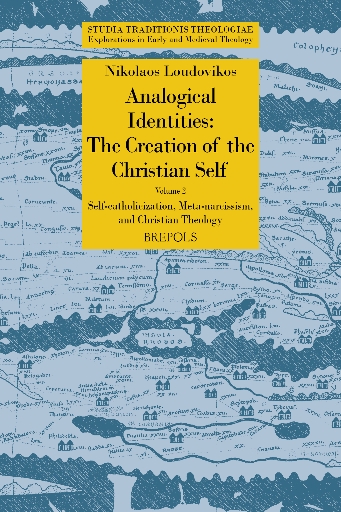
Analogical Identities: The Creation of the Christian Self
show More to view fulltext, buy and share links for:Analogical Identities: The Creation of the Christian Self show Less to hide fulltext, buy and share links for: Analogical Identities: The Creation of the Christian SelfFollowing the first volume entitled Analogical Identities: The Creation of the Christian Self of a trilogy dedicated to Christian anthropology in a modern re-assessment, the present second volume deals with the specific content of this concept of “Analogical Identity” as a new hermeneutic retrieval of Christian anthropology in its relation with its historical roots and in the light of modern Philosophical and Psychological thought, to which we thus introduce some new conceptual tools. At the same time, a theological criticism of modern Philosophy and Psychology is initiated, and some new anthropological concepts of theological provenance are proposed.
-
-
-

Cinismo e Cristianesimo delle origini
show More to view fulltext, buy and share links for:Cinismo e Cristianesimo delle origini show Less to hide fulltext, buy and share links for: Cinismo e Cristianesimo delle originiGesù era Cinico? I suoi discepoli? E Paolo? Queste domande, che rientrano nel più generale tema della possibile influenza del Cinismo sul Cristianesimo delle origini, costituiscono un importante capitolo storiografico, nato in Germania nel primo Novecento e ampiamente sviluppatosi più tardi soprattutto negli Stati Uniti d’America.
A questi problemi è dedicato il presente volume, che, partendo da un’analisi sempre attenta alle evidenze testuali, intende vagliare, da una prospettiva storico-filosofica, la possibilità che Gesù e il Cristianesimo delle origini siano stati influenzati dal Cinismo, e da tale tradizione filosofica abbiano ricevuto sollecitazioni o stimoli. Lo studio è rivolto a testi quali i Vangeli Sinottici e le Lettere Paoline (nello specifico, la Prima Lettera ai Corinzi), in cui i fautori della Cynic Jesus Hypothesis hanno ritenuto di poter rinvenire elementi definibili come ‘cinici’.
Tale analisi si presta in maniera singolare a gettare luce non solo su autori importanti e temi della tradizione cinica particolarmente discussi, ma anche sui rapporti tra la tradizione ellenica e le origini del Cristianesimo.
Tema, quest’ultimo, di interesse non solamente storico-filosofico e teologico ma anche schiettamente teoretico, perché tocca la questione, viva e dibattuta ancora oggi, seppure talvolta sotto forme diverse, delle relazioni tra la riflessione filosofica e il credo religioso, tra fides e ratio.
-
-
-
Den Menschen dem Menschen erklären
show More to view fulltext, buy and share links for:Den Menschen dem Menschen erklären show Less to hide fulltext, buy and share links for: Den Menschen dem Menschen erklärenDen Menschen dem Menschen erklären stellt die erste, umfassende Vergleichsanalyse von drei anthropologischen Traktaten aus dem vierten Jahrhundert n. Chr. dar: Laktanzens De opificio Dei, Gregor von Nyssas De hominis opificio und Nemesios von Emesas De natura hominis. Diese Texte wurden oft als das jeweils erste Beispiel christlicher Anthropologie bezeichnet, doch ebenso oft waren die Kriterien, die zu diesem Urteil führten, unklar. Das Buch hinterfragt diese Einschätzungen und widmet sich der Analyse der literarischen Form und des philosophisch-theologischen Inhalts dieser Schriften. Es zeichnet die Intentionen, welche die drei Autoren beim Verfassen der Traktate verfolgten, nach. Es analysiert die philosophischen Grundgedanken, die diesen Beispielen christlicher Anthropologie zugrunde liegen. Es stellt dar, wie in den drei Texten eine deskriptive und eine normative Anthropologie miteinander verwoben werden, um ein protreptisch-paränetisches Ziel zu erreichen. Diese protreptische-paränetische Absicht, die auch – und insbesondere - eine überwiegend positive Einstellung zur menschlichen Körperlichkeit mit sich bringt, wird als gemeinsames Charakteristikum der drei Traktate identifiziert und als ein mögliches Hauptattribut christlicher Anthropologie erkannt. So will Den Menschen dem Menschen erklären eine Diskussion anstoßen, ob das anthropologische Traktat eine spezifisch christliche literarische Gattung darstellen könnte.
-
-
-
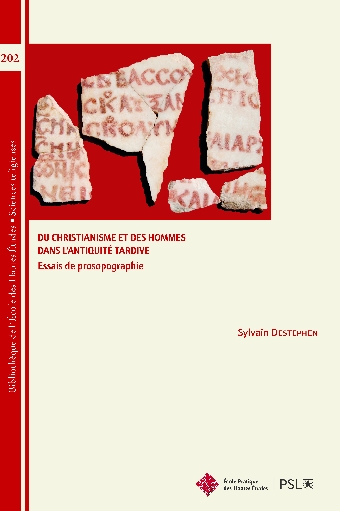
Du Christianisme et des hommes dans l’Antiquité Tardive. Essais de prosopographie
show More to view fulltext, buy and share links for:Du Christianisme et des hommes dans l’Antiquité Tardive. Essais de prosopographie show Less to hide fulltext, buy and share links for: Du Christianisme et des hommes dans l’Antiquité Tardive. Essais de prosopographieLe néologisme savant de ≪ prosopographie ≫ apparaît à la Renaissance et désigne, dans un premier temps, une oeuvre littéraire combinant généalogie de princes, éloges de leurs vertus et galerie de portraits. Après les travaux érudits de l’Âge classique sur les dirigeants religieux du passé, il faut attendre le xix e siècle pour que la prosopographie soit érigée en discipline scientifique.
Reposant sur un dépouillement systématique de la documentation conservée, la prosopographie propose une étude sérielle des membres d’un groupe constitué sur une période et une durée déterminées.
En raison de la richesse des sources conservées, l’Empire romain a suscité de manière précoce en Europe des études prosopographiques. La période couverte par les iii e-vii e siècles, communément appelée ≪ Antiquité tardive ≫, offre une richesse documentaire et littéraire exceptionnelle, liée en partie à l’expansion du christianisme et à la conversion du monde antique à la nouvelle religion. Cette abondance de sources explique la réalisation de grandes enquêtes prosopographiques portant d’abord sur l’ensemble des élites civiles, puis sur les milieux ecclésiastiques, monastiques, ascétiques et dévots.
Le présent livre mobilise les résultats obtenus et les recherches en cours pour montrer l’importance de l’apport de la prosopographie à l’histoire du christianisme antique dans des domaines aussi variés que l’histoire des conciles, l’hagiographie, l’onomastique, la hiérarchie ecclésiastique et l’histoire des femmes.
-
-
-
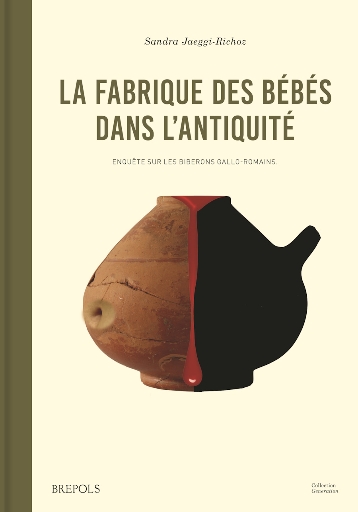
La fabrique des bébés dans l'Antiquité
show More to view fulltext, buy and share links for:La fabrique des bébés dans l'Antiquité show Less to hide fulltext, buy and share links for: La fabrique des bébés dans l'AntiquitéDu sein au biberon s’intéresse à de curieux petits vases qui ont la particularité de présenter un bec sur leur panse et de se trouver principalement dans des tombes d’enfants. Les archéologues les ont baptisés “biberons” ou, parfois, “tire-laits”. Se concentrant sur la Gaule romaine, cet ouvrage fait le point sur la fonction encore débattue de ces vases, en s’appuyant sur des analyses biochimiques révélatrices de leur contenu. Montrent-elles que les vases ont contenu du lait comme leur nom le suggère ? Pas toujours, et pas seulement. L’étude approfondie des sources écrites anciennes (d’Hippocrate et Aristote à Pline, Soranos et Célius Aurélien), ainsi que de l’iconographie permet de mieux approcher le contexte d’emploi et la fonction de ces vases, en les inscrivant dans le cadre global de l’alimentation et des pratiques de soin. La physiologie de l’enfant, sujet à des besoins et des maladies particulières qui le distingue de l’homme et de la femme adultes, le rapproche, au contraire, de certaines catégories sociales, comme l’atteste l’usage de ces vases. Ainsi, en combinant témoins archéologiques, archives iconographiques et textuelles et analyses biochimiques cet ouvrage éclaire certaines représentations du corps et certaines stratégies alimentaires et sociales. À la croisée de l’histoire matérielle, de l’histoire culturelle et de l’histoire du corps, il propose, à partir de l’étude des rapports entre lait et enfant et l’usage des “vases-biberons” en Gaule, une réflexion plus large sur la physiologie et la santé.
-
-
-

Les Actes éthiopiens du diacre Étienne
show More to view fulltext, buy and share links for:Les Actes éthiopiens du diacre Étienne show Less to hide fulltext, buy and share links for: Les Actes éthiopiens du diacre ÉtienneCe nouveau volume de la collection Apocryphes présente au lecteur une anthologie inédite de six textes éthiopiens consacrés à saint Étienne, premier martyr et premier diacre du christianisme. Étienne, modèle du diacre, est une figure particulièrement vénérée dans l’Église éthiopienne. Dès l’Antiquité tardive, puis tout au long du Moyen Âge, des textes traduits du grec et de l’arabe, mais aussi des compositions originales en guèze (éthiopien classique), furent produits, copiés, puis adaptés à la liturgie de l’Église éthiopienne. La tradition éthiopienne sur Étienne se révèle ainsi, au sein de l’Orient chrétien, singulièrement originale et riche.
Le premier texte présenté est le Gadla ’Esṭifānos (ou Actes d’Étienne), qui relate le combat épique opposant saint Étienne à deux magiciens. Ce récit étonnant, qui s’appuie sur l’épisode biblique du martyre d’Étienne dans les Actes des apôtres, ajoute nombre d’éléments apocryphes et merveilleux. Sont également inclus, dans le présent volume, la version guèze de la Révélation des reliques d’Étienne, qui eut lieu dans les environs de Jérusalem en 415, deux récits tirés du Synaxaire éthiopien (un ouvrage à usage liturgique), puis une homélie médiévale de Retu‘a Hāymānot et, enfin, un salām (court poème) en l’honneur du protomartyr.
Une introduction générale sur l’histoire du culte d’Étienne, un glossaire des termes éthiopiens, une bibliographie exhaustive et plusieurs index complètent le volume.
-
-
-
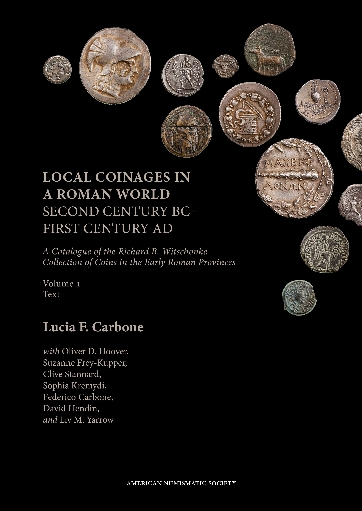
Local Coinages in a Roman World (Second Century BC–First Century AD)
show More to view fulltext, buy and share links for:Local Coinages in a Roman World (Second Century BC–First Century AD) show Less to hide fulltext, buy and share links for: Local Coinages in a Roman World (Second Century BC–First Century AD)The Richard B. Witschonke Collection of more than 3,700 coins, now in the collection of the American Numismatic Society, provides the historical and numismatic prologue to the study of Roman provincial coinage. Most of the specimens are of great historical and numismatic value, as explained in the historical introductions preceding each of the 36 sections of this catalogue. This collection offers a unique overview of the diverse ways in which the monetary systems of the Mediterranean basin responded to the Roman conquest in the second and early first centuries BCE and to the related necessity of interconnectivity.
-
-
-
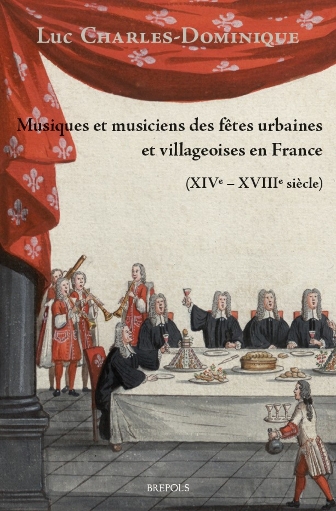
Musiques et musiciens des fêtes urbaines et villageoises en France (XIVe – XVIIIe siècle)
show More to view fulltext, buy and share links for:Musiques et musiciens des fêtes urbaines et villageoises en France (XIVe – XVIIIe siècle) show Less to hide fulltext, buy and share links for: Musiques et musiciens des fêtes urbaines et villageoises en France (XIVe – XVIIIe siècle)Si les premières traces de ritualisation musicale (noces, banquets…) remontent au début du xiii e siècle avec les jongleurs, ce n’est vraiment qu’à partir du siècle suivant que les ménétriers ou joueurs d’instruments sont chargés de la représentation des pouvoirs et de l’animation de la vie sociale dans sa totalité (fêtes politiques et religieuses, de métiers, calendaires, votives, familiales, etc.) et qu’ils se regroupent en confréries ou corporations.
S’appuyant sur son « terrain » toulousain premier ainsi que sur le dépouillement systématique de deux siècles de littérature sur les ménétriers des provinces françaises et sur la collaboration de certains chercheurs en régions, l’auteur propose une nouvelle réflexion d’ampleur sur le personnage historique du ménétrier (plus de trois mille musiciens recensés), son genre, son statut social (poids de la marginalité musicienne des aveugles, mendiants, concurrence des musiciens occasionnels comme les maîtres d’école), sa fonction, sa pratique et ses formes d’organisation.
Cette étude d’anthropologie musicale historique est doublée d’une approche territoriale, cette géographie ménétrière étant abordée au niveau des provinces, des villes (notamment des quarante ayant abrité des corporations et confréries ménétrières), des villages et de l’organisation administrative de ce vaste espace de la Ménestrandise (royauté et lieutenances ménétrières). Par ailleurs, cette histoire sensible de l’art des ménétriers est aussi celle de leur rapport aux musiques dites « savantes », d’église, aux cultures musicales autres, comme celle des Bohémiens.
À l’aide de nombreuses archives, de tableaux, cartes, documents iconographiques, cet ouvrage dépeint la grande fresque d’une musique historique encore méconnue, malgré sa longévité et sa centralité sociale et sociétale, celle des ménestrels et joueurs d’instruments.
-
-
-

Résistance sans frontières
show More to view fulltext, buy and share links for:Résistance sans frontières show Less to hide fulltext, buy and share links for: Résistance sans frontièresLe 9 octobre 1943, neuf membres de la résistance belge et néerlandaise étaient exécutés à Rhijnauwen (près d’Utrecht). Parmi eux, deux moines de l’abbaye du Val-Dieu. En suivant le parcours de ces deux ecclésiastiques, le livre retrace de façon précise l’histoire des groupes d’espionnage et des lignes d’évasion. Ces lignes de secours étaient utilisées par des prisonniers de guerre évadés, par des pilotes alliés abattus, par des personnes d’origine juive et des ressortissants néerlandais en fuite vers l’Angleterre. La ligne d’évasion partait d’Allemagne et des Pays-Bas pour rejoindre Eijsden, puis Mouland et Visé. Une fois arrivés au pays de Herve ou de Liège, les réfugiés étaient conduits à Givet ou à Bruxelles, où d’autres groupes de résistance les prenaient en charge. En 1942 le contre-espionnage allemand infiltre les groupes au départ de Groningue et de Liège : l’Hannibalspiel. L’issue sera dramatique.
En cherchant à comprendre pourquoi, dans la région de Liège, ces deux moines se décident à entrer en résistance, l’enquête met en lumière le rôle joué par l’Église et par l’abbaye du Val-Dieu, mais aussi par leurs familles.
Résistance sans frontières est la première recension ayant trait à la résistance de chaque côté de la frontière belgo-néerlandaise pendant la deuxième guerre mondiale.
-
-
-
The Septuagint of Ruth
show More to view fulltext, buy and share links for:The Septuagint of Ruth show Less to hide fulltext, buy and share links for: The Septuagint of RuthFor many years, the Septuagint of Ruth (LXX-Ruth) has been considered a literal translation. Several authors have emphasized the similarities between the Greek text and the Masoretic Text, while others have also noted the divergences. In the wake of this second stream, this book seeks to answer the crucial question: How can we nuance the definition of “literalism” for LXX-Ruth, and which innovations and specifics can be detected in this text? A fresh analysis of the Greek rendering of the Hebrew proper names, toponyms, hapax legomena as well as legal aspects makes it possible to develop new perspectives on the translation technique of LXX-Ruth and to highlight several characteristics of this text. This volume, moreover, extends the discussion by including the analysis of the theological accents of LXX-Ruth and an up-to-date presentation of its textual history including the fragments of the book in the Dead Sea Scrolls. Overall, this volume enhances our understanding of the linguistic and literary background of the LXX, as well as its specific features.
-
-
-
The ‘Universal Prayer’ in the Ancient Latin Liturgies
show More to view fulltext, buy and share links for:The ‘Universal Prayer’ in the Ancient Latin Liturgies show Less to hide fulltext, buy and share links for: The ‘Universal Prayer’ in the Ancient Latin LiturgiesThe reinstatement of the Universal Prayer into the Roman liturgy following the Second Vatican Council prompted Paul De Clerck to research its origins and development, taking as his primary model the ancient Roman Orationes sollemnes of Good Friday. The result has been a marvellous gift to liturgical scholars, as his meticulous study of texts from both East and West brings to light direct and indirect relationships and provides significant insight into the way in which Western liturgical families developed their intercessory formularies.
The first part of his study is devoted to analysis of allusions to the Oratio fidelium found in the writings of the Fathers and ecclesiastical writers of the first five centuries, with the aim of discovering the prehistory of the ‘prayer of the faithful’ particularly with regard to its content, form and placement within the liturgy. The second part of the study analyses and compares the oldest preserved texts that shed light on the prayer. Chief among these are the Deprecatio Gelasii in its various iterations, the Orationes sollemnes of Rome (and parallels in other Churches) and the Gallic and Hispanic Orationes paschales, together with relevant texts from Celtic and Gallican sources.
The translation of the French text will provide English-speaking scholars across the globe access to this excellent work and encourage similar in-depth research into liturgical sources that will continue to enhance the celebration of the Church’s liturgy and the full and conscious participation of the entire faithful.
-
-
-
Transitions
show More to view fulltext, buy and share links for:Transitions show Less to hide fulltext, buy and share links for: TransitionsThe transitions of the title are those in the life and intellectual development of one of the leading historians of late antiquity and Byzantium. Averil Cameron recounts her working-class origins in North Staffordshire and how she came to read Classics at Oxford and start her research at Glasgow University before moving to London and teaching at King’s College London. Later she was the head of Keble College Oxford at a time of change in the University and its colleges. She played a leading role in projects and organisations even as the flow of books and articles continued, in an array of publications that have been fundamental in shaping the disciplines of late antiquity and Byzantine studies in the twentieth and twenty-first centuries.
-
-
-
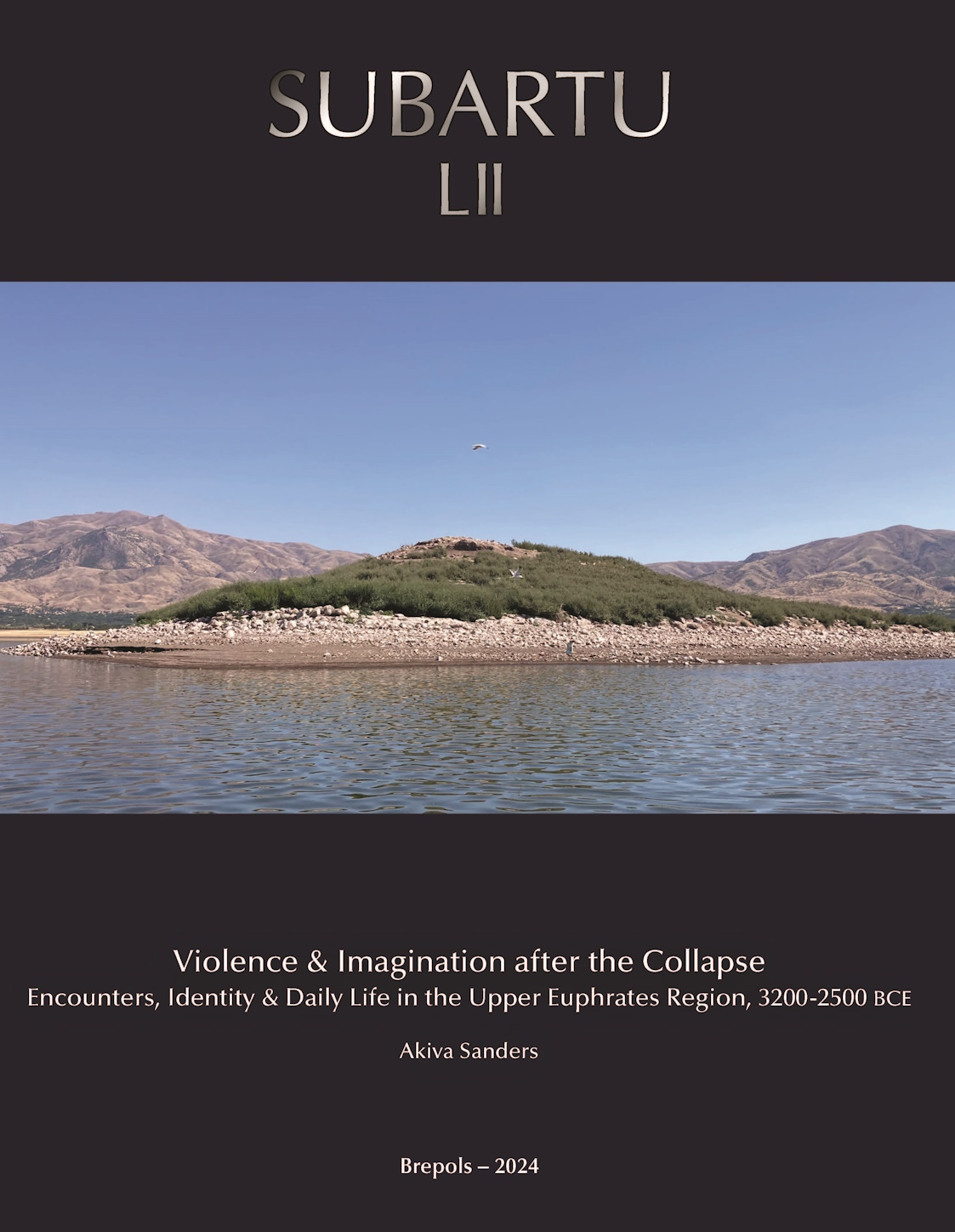
Violence and Imagination after the Collapse
show More to view fulltext, buy and share links for:Violence and Imagination after the Collapse show Less to hide fulltext, buy and share links for: Violence and Imagination after the CollapseIn the late fourth millennium BCE, the villages, temples, and palace of the Upper Euphrates region stood between two social worlds: the comparatively hierarchical, centrally organized Mesopotamian social tradition to the south and the comparatively egalitarian, decentralized Kura-Araxes social tradition to the north. Over the next seven centuries, this positioning and the interactions it sparked fed into reactions among the region’s inhabitants that ranged from cataclysmic violence to a flowering of innovation in visual culture and social arrangements. These events had a wide array of short-term and long-term impacts, some limited to a single house or settlement, and some, like the innovation of the Warrior Tomb template, that transformed societies across West Asia. With an eye towards detail, a theoretical approach emphasizing personal motivation, and multiple scales of analysis, this book organizes previously unpublished data from six sites in the region, Arslantepe, Ta kun Mevkii, Pulur, Nor untepe, Tepecik, and Korucutepe, dating to this dramatic and transformative period.
-
-
-
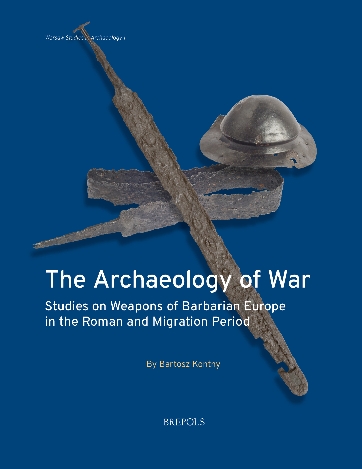
Archaeology of War
show More to view fulltext, buy and share links for:Archaeology of War show Less to hide fulltext, buy and share links for: Archaeology of WarFrom graves to settlements, and from the battlefield to underwater sacrificial sites, weapons dating to the Roman and Migration Period have long been found in an array of contexts throughout the region that forms modern-day Poland. This volume for the first time aims to draw together research into these finds, gathered throughout the author’s career, in a synthetic approach that sees discoveries of swords and other armaments analysed against a broad, comparative background. The work begins with a focus on votive deposits from lakes, here used as a lens for addressing questions about military strategy and war ritual more generally, before moving on to explore the weapons and warriors of the Przeworsk and Wielbark Cultures, as well as shedding light on the lives of the Balts. Finally, an in-depth analysis is made of shields from the protohistoric period, exploring the genesis and variability of the forms taken by this protective weapon. Through this approach, this richly illustrated volume sheds new light not only on the typology and chronology of weaponry from the Roman and Migration Periods, but also on the symbolism and functionality that these arms held.
-
-
-
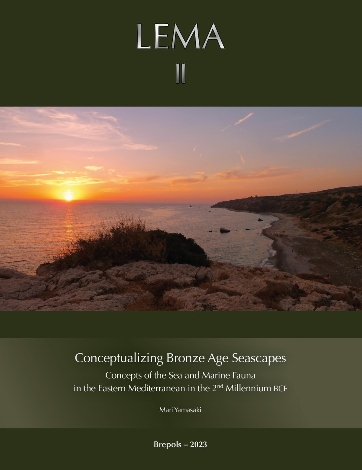
Conceptualizing Bronze Age Seascapes
show More to view fulltext, buy and share links for:Conceptualizing Bronze Age Seascapes show Less to hide fulltext, buy and share links for: Conceptualizing Bronze Age SeascapesThe Mediterranean has, for millennia, formed the heart of an intensive trading network of ideas, goods, and people. For the ancient populations of the Levant, Cyprus, and Southern Anatolia, interactions with the sea — from fishing to seafaring, and from trade to dye production — were a constant presence in their life. But how did the coastal peoples of the Bronze Age understand the sea? How did living on the shore influence their lives, from daily practices to mythological beliefs? And what was the impact on their conceptual world? This volume seeks to engage with these questions by addressing the relationship between environment, diet, material production, perception, and thought formation through a combination of archaeological analysis and engagement with primary sources, and in doing so, it offers unique insights into the conceptual world of the ancient Mediterranean maritime cultures of the 2nd millennium BCE.
-
-
-
Faustus of Riez, On Grace
show More to view fulltext, buy and share links for:Faustus of Riez, On Grace show Less to hide fulltext, buy and share links for: Faustus of Riez, On GraceFaustus was a Gallic representative of what has been referred to as 'semipelagianism'. In his De Gratia, he fiercely opposed the Augustinian view of Grace and Predestination that had been upheld by Lucidus, a presbyter who possibly misunderstood Augustine's thought. Faustus did not open new ground about these contested doctrines, but put significant roadblocks to their possible extreme trajectories.
-
-
-

From the Domesday Book to Shakespeare’s Globe
show More to view fulltext, buy and share links for:From the Domesday Book to Shakespeare’s Globe show Less to hide fulltext, buy and share links for: From the Domesday Book to Shakespeare’s GlobeThe phrase ‘Jus Uncommon’ summarizes England’s claim to independence from Europe, a claim supported by its unique legal system and Elizabethan theatre, and their strong interconnexion. Elizabethan tragedy begins at the Inns of Court. It was no mere coincidence, but a result of the long history of intersecting processes of law, politics, and theatre. This book sets out to contextualize and explore such legal and literary intersections, charting the emergence of Elizabethan legal culture from its various English and European sources over the course of the four hundred years running from Magna Carta to Shakespeare. It encompasses the major strands of legal history and culture that formed the background to Elizabethan political drama, republican tradition, theories of monarchical sovereignty, European and English theories of imperium, pedagogical and rhetorical practices of the Inns of Court,legal-antiquarian research, parliamentary privilege, and Tudor political pamphleteering.
Legal texts, discourses, and social practices constructed a pervasive intellectual culture from which Elizabethan drama – like Shakespeare’s – emerged. Shakespeare is not the central object of this study, but he is central to its argument. What he knew about law was what collective memory had stored from centuries past at home and abroad. The issues, characters, themes, theories, and metaphors dramatized by the Elizabethan playwrights followed the way opened at the Inns. Emblematic figures of lawyers-writers and their Senecan patterns paved the way to Gorboduc and to Shakespeare’s histories.
-
-
-
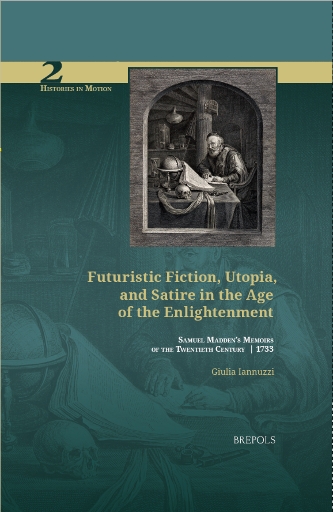
Futuristic Fiction, Utopia, and Satire in the Age of the Enlightenment
show More to view fulltext, buy and share links for:Futuristic Fiction, Utopia, and Satire in the Age of the Enlightenment show Less to hide fulltext, buy and share links for: Futuristic Fiction, Utopia, and Satire in the Age of the EnlightenmentPublished anonymously in 1733, Memoirs of the Twentieth Century is one of the earliest futuristic novels known in Anglophone and Euro-American literature. It foregrounds an acceleration of history brought about by an increasing degree of global interconnectedness, and the exclusion of prophetism and astrology as credible ways to know the future. The work of Samuel Madden, an Irish writer and philanthropist of Whig sympathies, it consists of a collection of diplomatic letters composed in the 1990s, which the narrator claims were brought to him from the time to come by a supernatural entity. Through these correspondences, twentieth-century world scenarios are spread out before the reader, in which British naval power rules the waves and international commerce, while the transnational scheming of the Jesuits threatens the independence of weaker European courts.
This book — which includes a study followed by an annotated edition of the text — assesses the cultural significance of this literary work, as an apt observatory on how historical time as a cultural construction was shaped, during the eighteenth century, by new forms of transnational circulation of information, and by the dubious space carved out in European culture by seventeenth- and early eighteenth-century debates on the nature of historical knowledge.
Through and by means of the Memoirs case study, this volume aims to contribute to a wider cultural history of the future and speculative fiction. The novel’s ironic distancing of beliefs considered to be superstitious and absurd — such as divination techniques and occult and magical disciplines — offers an exceptional testimony to the negotiation of the boundaries of verisimilitude and credibility within a religious enlightenment.
-