
Full text loading...



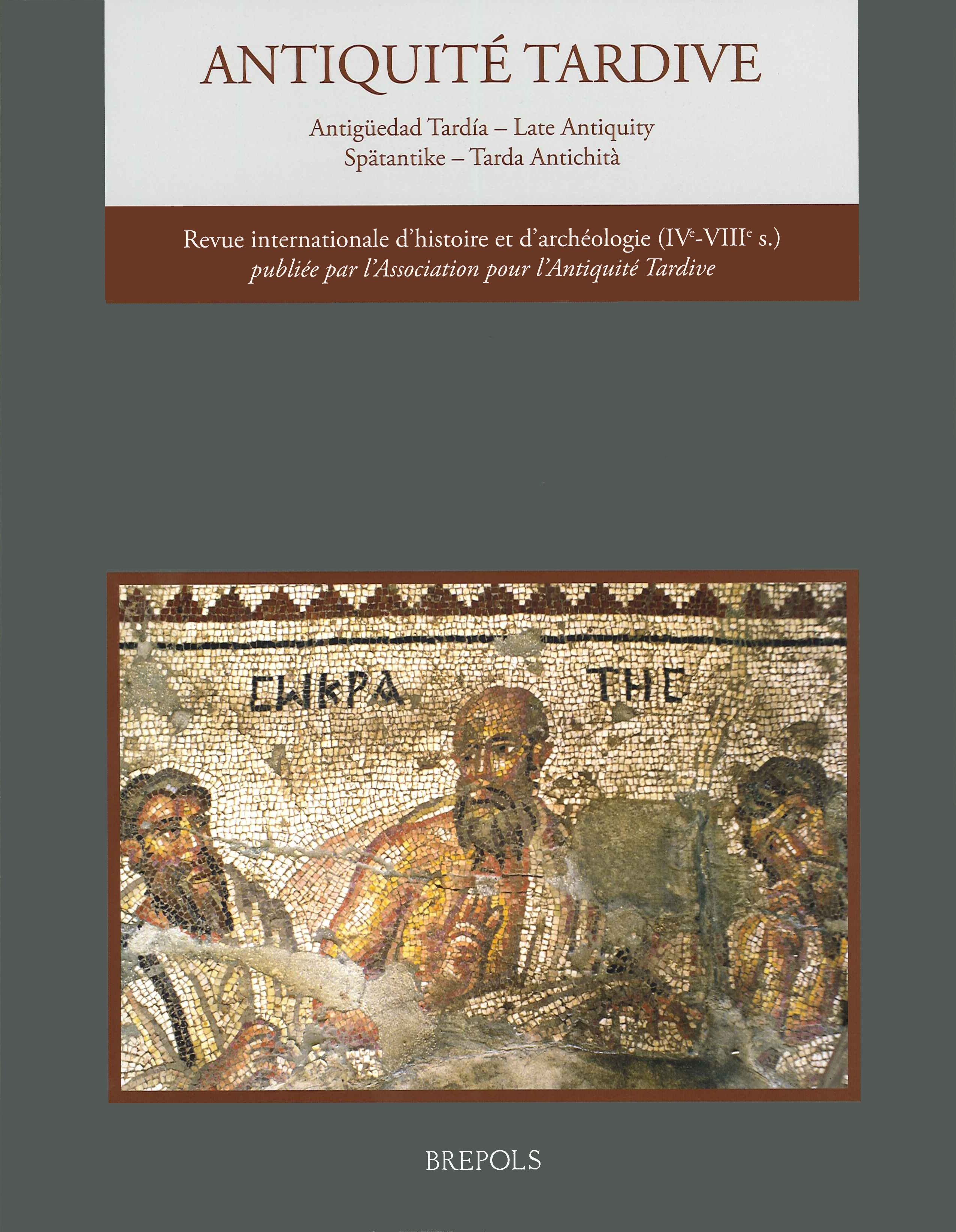
Three of the Christian inscriptions presented here are epitaphs discovered in a chaptel inside an important Roman thermal complex disaffected without any precise date. Whereas both of the first texts are not very orignal, the third one is much more interesting. It is inscribed on a marbeled slab at the entrance of an apsidal room isolated from the rest of the space by chancels, and belongs to a preast “Crescentius sanctus”. The latter word is generally reserved to martyrs, confessors or bishops, but we can here understand it in discovering the rest of the inscription: corpus digne in seculo conbersatum (instead of conversatum) in hoc loco in pace constatesse humatu(m). In comparison with other texts such as Agaune in Gaule (ILC 3766), digne in seculo conbersatum could mean that our preast had led his life without excluding ascetism. The use of constat followed by the infinitive proposition, which is a lawful word (inscription of Roman catacombes), is written on this epitaph because of its solemnity, unless we link this word to corpus and sanctus in a context of a priviliged inhumation - which is probably certain.