
Full text loading...



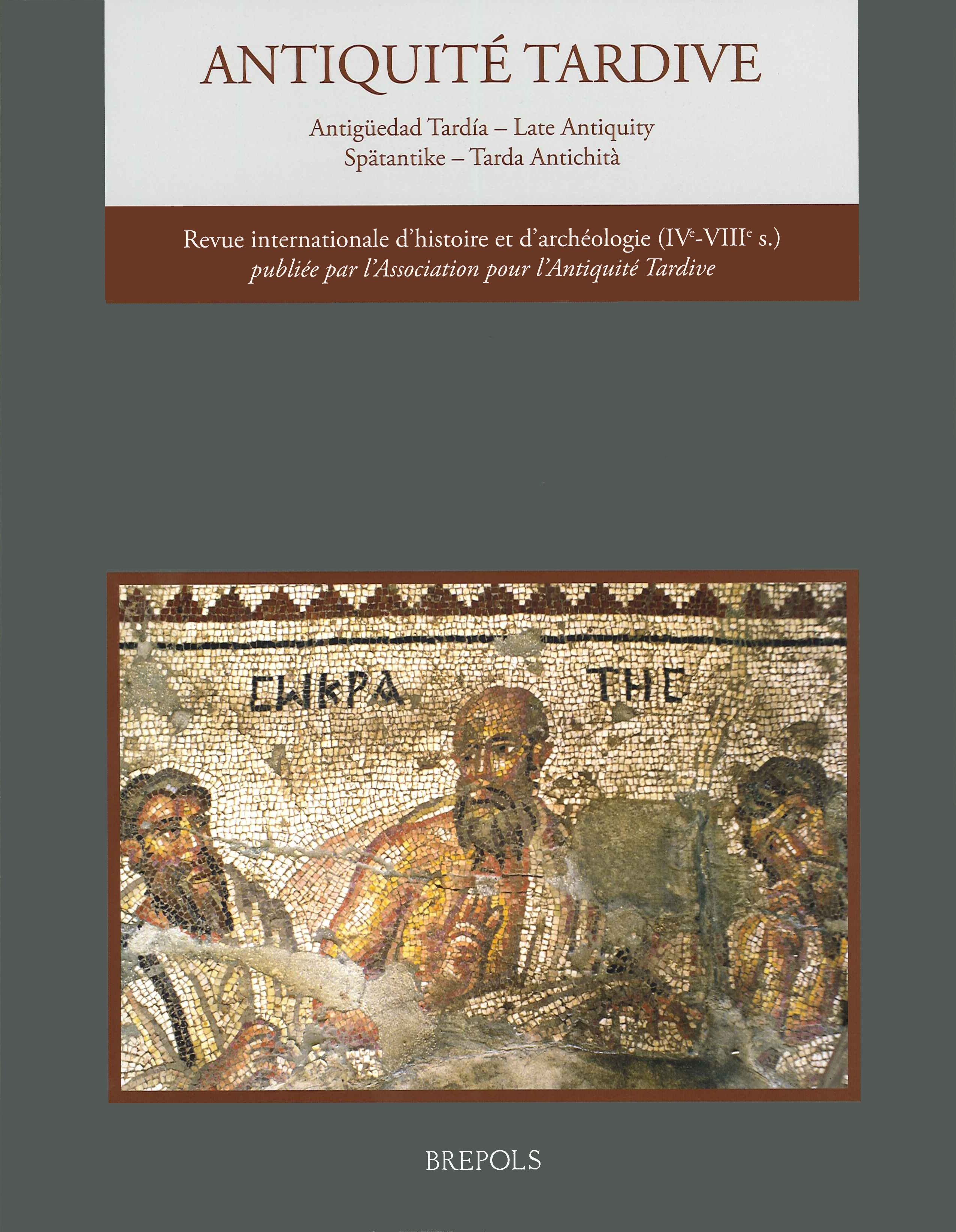
This article intends to answer the following two questions: 1/ why did the Gospels and the Christian bishops of the first six centuries interest themselves in the moral aspects of economic life? 2/ did they say in this field anything relevant, or did they on the contrary “ignore the reality of society” (so K. Polanyi), and limit themselves to a “moral reform of individual behaviour”, neglecting “the How and Why of economic mechanisms” (so J. A. Schumpeter)? Question 1 is answered by defining Christianity as an “ethical religion” (a concept borrowed from Max Weber), that is to say a religion in which moral duties in the relationship between human beings appear as important as the very cult addressed to God. Concerning then question 2, by contrast with the Opus imperfectum in Matthaeum, which simplifies reality, several texts by Augustine of Hippo, Gregory the Great, and above all Ambrose of Milan, show a deep concern for society as a whole, and to a certain extent even an analysis of some socio-economic mechanisms. But this “golden age” of Patristic social thought did not last, and the Opus imperfectum in Matthaeum’s narrow-minded vision was prominent in the Middle Ages till the scholastic turn.