
Full text loading...



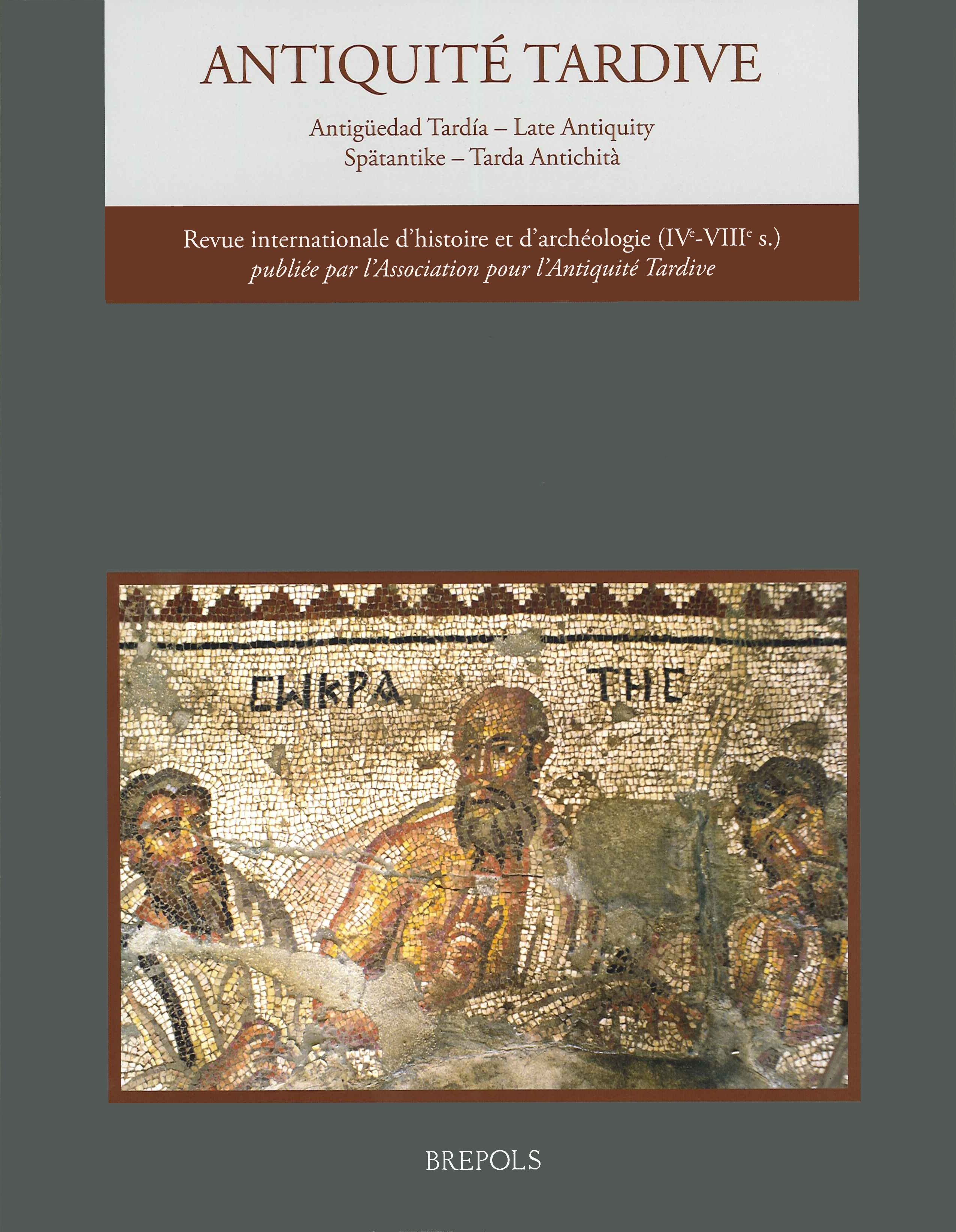
Where, how long, and in what manner did the Roman games continue? While this note does not pretend to answer these questions definitively, they are nevertheless here approached in light of new studies, with special attention paid to the burden of tradition, which seems often to obscure – if unconsciously – part of history. The “effort of memory” is not an exclusively modern phenomenon. Whatever the mechanisms which trigger it might be, it is ubiquitous in all times and in all civilisations, and manifests itself by means of different modalities, be they oral or written, mythological or historical. Memory is an integral part of people’s knowledge of their own time. Whatever form it takes and whatever events or personalities it seeks to highlight, memory is necessarily selective, and the portrait is draws is partial, in every sense of the word. More often than not, the choices made by memory generate ignorance, and this ignorance is perpetuated rather than eliminated by subsequent generations, until eventually deeply embedded in the transmission of our knowledge. Late Antiquity has been profoundly affected by the capriciousness of memory. A telling illustration is provided by the Roman games, which the so-called Renaissance and following centuries preferred to have disappear with the fall of the Roman Empire and the rise of Christianity. This “faulty memory” even persists to a certain extent today.