
Full text loading...



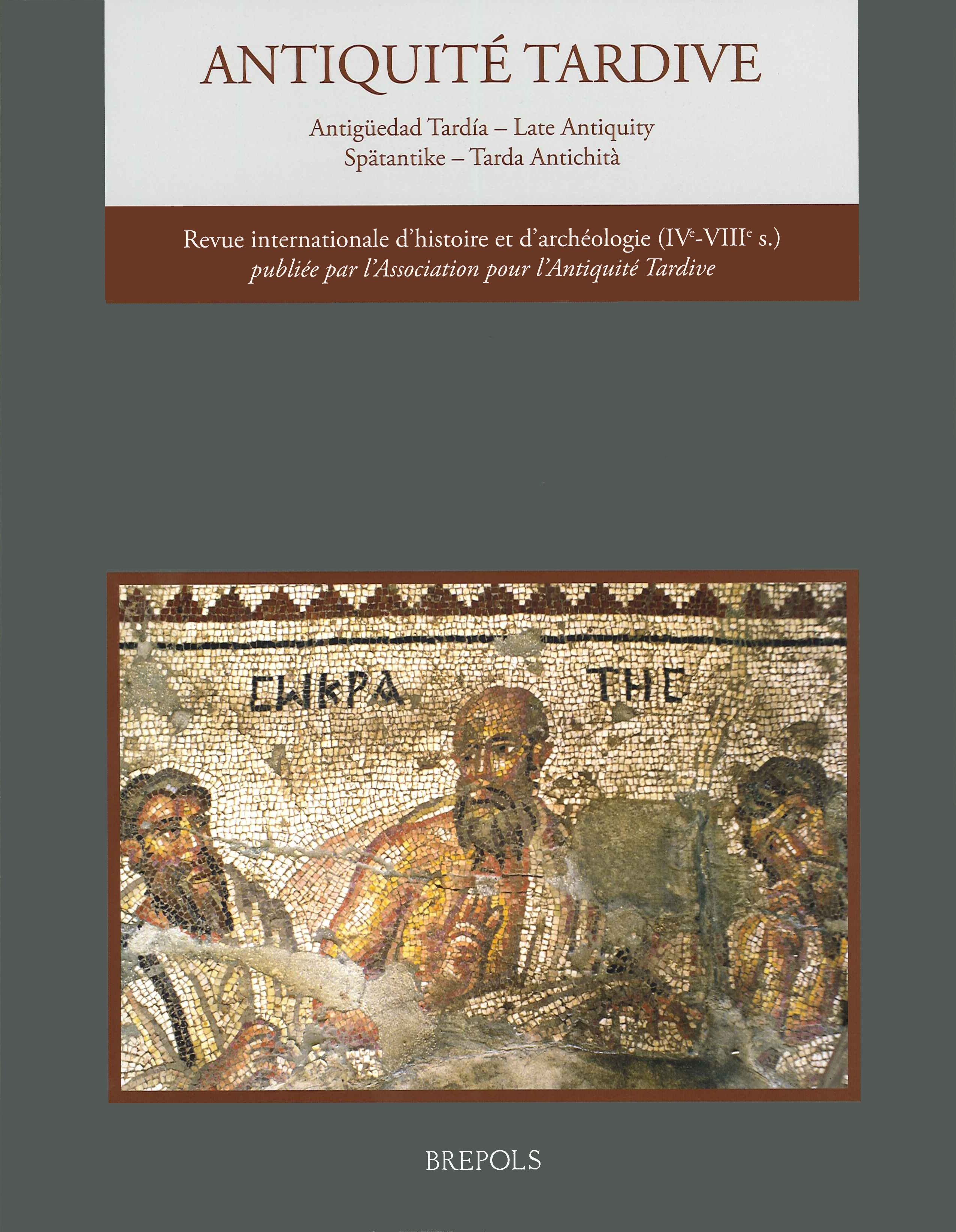
The laws of the Theodosien Code illustrate the fact that in the second half of the 4th and at the beginning of the 5th century, the Imperial State had to accept protocols established by the Church concerning baptism and the liberation – under certain conditions – of actresses and actors tied to the stage as part of the theatrical munus, as well as – though here more readily – ecclesiastical decisions relating to their excommunication and therefore to the revocation of their liberation. In a contradictory way, it was also the State’s prerogative to maintain the production of theatrical shows as part of ludi scaenici since these latter were, along with ludi circenses, components of imperial worship and the Imperial State. Faced with a dearth of actress, for the most part baptised, the Empire employed pragmatism and did not hesitate, in periods of need, to call baptised actresses back to the stage in spite of the Church’s requirements and its hostility towards ludi.