
Full text loading...



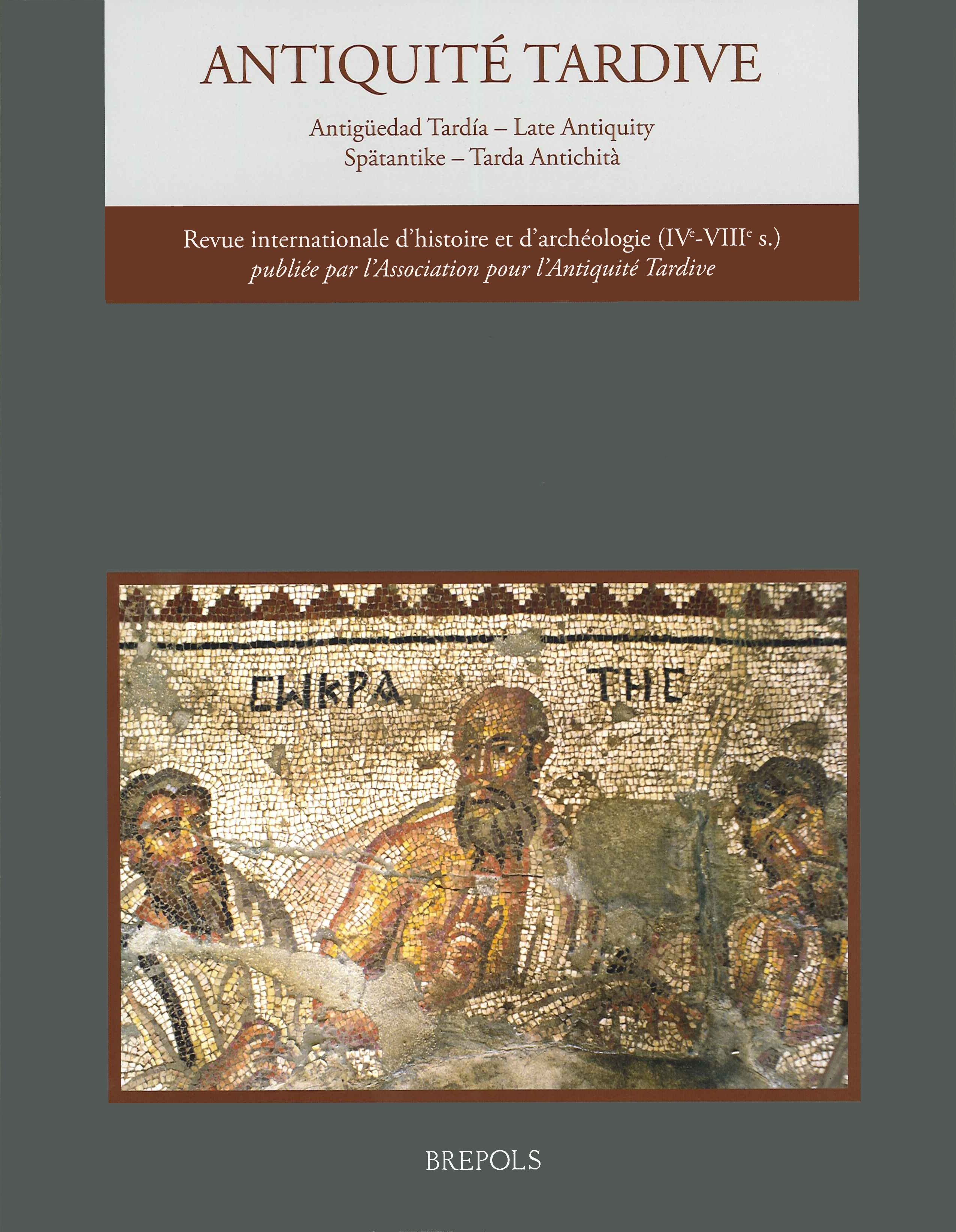
The way in which historians and archaeologists specialised in the study of the higher Middle Ages most frequently interpretet and use the graeco-Roman lexicon of earlier centuries makes it necessary to enlarge that of the 6th to 12th centuries given in the terminological enquiry presented in the first part of the curent issue: either to check how valid may be the meaning which they assign to terms inherited from Antiquity or try to situate the semantic discontinuities which occurred in the continuative use of Latin in the western world or Greek in the eastern one. With this view in mind we shall tackle successively such problems as the semantic itinerary of the word villa, of the lexical pairs castellum / castrum, villa-village, vicus and village, kômè-chorion, of the trio castellum / castrum / village, etc. When doing this, we shall take into account the great diversity in the local situations, the unequal rythm of transformation among the various language levels - learned or familiar, juridical or historiographical, etc. -, and the frequently met with difficulty of equating the language of the texts with the archaeological structures. On the other hand, we shall try to evaluate how much the meaning assigned by modern scientists to such or such resilient Latin word could determine the choice in favour of such or such theoretical model, with special regard to “villa to village” or “incastellamento” models. This will allow, more generally, the acknowledgement of the current state of archaeological reflexion regarding rural structures and how adequate the terminology used may be to field data. Our conclusions are mainly concerned with the interpretation of the words villa and castrum when found in the higher medieval sources.