


BOB2025MOME

Collection Contents
1 - 20 of 37 results
-
-
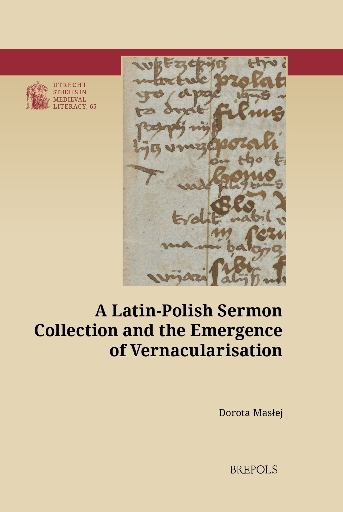
A Latin-Polish Sermon Collection and the Emergence of Vernacularisation
show More to view fulltext, buy and share links for:A Latin-Polish Sermon Collection and the Emergence of Vernacularisation show Less to hide fulltext, buy and share links for: A Latin-Polish Sermon Collection and the Emergence of VernacularisationThis monograph offers an analysis of the so-called Kazania augustiańskie (‘The Augustinian sermons’), a unique manuscript which represents a very early phase in the vernacularisation of medieval Polish textual culture, when vernacular or bilingual texts started to manifest their independent development. The relationships between Latin and the Polish vernacular in this text, surviving in a contemporary manuscript, sheds light on the ways in which Latin determined the development of written Polish in the textual genre of the sermon. The detailed and multifaceted analysis of the linguistic features of the Kazania augustiańskie contributes to the continuing discussion in medieval studies on the emergence of the earliest texts in the vernacular languages and on the preconditions and dynamics of vernacularisation.
At a first glance this book may appear to be the tale of a single manuscript, told solely from the point of view of a historian of language. However, it also explores both the birth of a particular medieval text and, more generally, the growing ability to compose vernacular texts. This capacity, which developed over the medieval period, was based on Latin models; over the centuries it contributed to vernacular texts becoming a fundamental component of European culture.
-
-
-
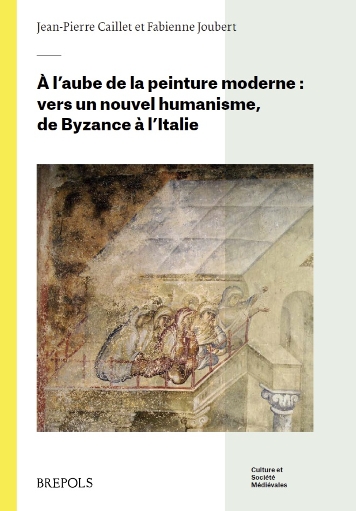
A l'aube de la peinture moderne
show More to view fulltext, buy and share links for:A l'aube de la peinture moderne show Less to hide fulltext, buy and share links for: A l'aube de la peinture moderneIl s’agit de revisiter ici une phase cruciale de l’histoire de la peinture dans une optique bien spécifique. On se démarque en effet d’une vision ayant crédité de manière trop exclusive l’Italie des environs de 1300 d’une « révolution » ouvrant la voie à la modernité. En revenant sur ce qui a préludé à cela dans la Péninsule même, et surtout en accordant une égale attention à ce qui a simultanément – ou antérieurement, à maints égards – été produit dans le monde byzantin, on tend à un radical rééquilibrage de la perspective. C’est alors dans sa véritable dimension que se perçoit l’évolution artistique de l’époque, en lien étroit avec un contexte politico-religieux tout à fait particulier : celui d’une installation des Latins à Constantinople et dans plusieurs territoires de l’Empire d’Orient, et d’un projet de réunion des obédiences catholique et orthodoxe ; avec, dans ce cadre, une décisive action des nouveaux Ordres Mendiants vite implantés dans tout le monde méditerranéen et développant une prédication réellement accessible au plus grand nombre, étayée – chez les Franciscains au premier chef – par une imagerie traduisant la geste du Christ et des saints sur le mode le plus crédible, incorporant précisément les avancées déjà opérées à cette fin dans la zone orientale.
Après un panorama historiographique faisant le point sur les positions plus ou moins anciennes et leur impact jusqu’à nos jours, on aborde en premier lieu ce qu’il en a été des conceptions et fonctions dévolues à l’image, trop volontiers considérées comme différentes d’un milieu à l’autre. Puis on affronte le champ de l’iconographie en propre, avec les accents spécifiques qui y sont portés. Ensuite vient l’examen des divers aspects formels (et des moyens techniques mis en œuvre) ; examen non moins capital puisque ce sont le naturalisme et l’expressivité de la figure, ainsi que son insertion dans un espace tridimensionnel, qui visent à une communication plus efficace avec le fidèle ; cela par la forte sollicitation de ses sens, pour sa profonde imprégnation de ce qui s’offre à sa vue. On peut, dans cette démarche, reconnaître une authentique humanisation de la foi. Et il s’avérait donc essentiel de souligner que, dans cette mutation où l’image s’est trouvée investie d’un rôle majeur, la contribution de la chrétienté byzantine a été aussi déterminante que celle de l’Italie.
-
-
-
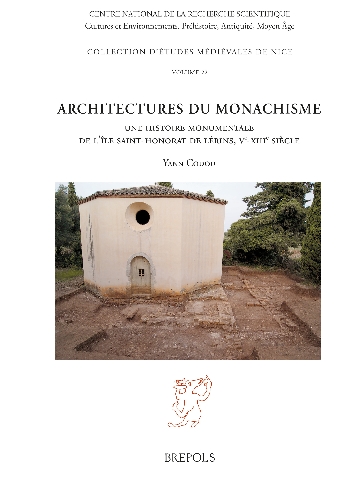
Architectures du monachisme
show More to view fulltext, buy and share links for:Architectures du monachisme show Less to hide fulltext, buy and share links for: Architectures du monachismeL’île Saint-Honorat de Lérins accueille des religieux depuis le début du Ve siècle. Il s’agit d’un haut lieu du monachisme, témoin des expériences ascétiques insulaires qui se développent en Occident durant l’Antiquité tardive. Le caractère exceptionnel de Lérins tient aussi à la longue durée d’occupation du site par des religieux. Ce n’est qu’à partir de 2005 qu’ont été entreprises des recherches archéologiques d’envergure sur l’île : fouilles et archéologie du bâti, qui font de Lérins la seule île monastique pour laquelle il existe des vestiges archéologiques remontant de façon assurée aux premières expériences ascétiques occidentales. En présentant ce dossier, l’ouvrage de Yann Codou apporte un éclairage inédit sur la genèse du monachisme en Occident, où des expériences érémitiques cohabitent, au sein de l’espace insulaire, avec des formes de vie plus collectives. Les données restituent également les dynamiques du monachisme au cours du haut Moyen Âge et dans les siècles suivants, en particulier le processus de communautarisation du monachisme. L’architecture est ici un document historique à part entière, qui dialogue avec les sources écrites. Les multiples monuments qui composent le paysage insulaire offrent un terrain de choix pour comprendre des mécanismes de construction identitaire, fondés sur la création et la réinterprétation des espaces sacrés. Les enjeux de la recherche dépassent largement l’histoire de la seule communauté lérinienne pour s’inscrire dans une réflexion sur l’organisation des espaces monastiques et leurs mutations tout au long du Moyen Âge.
-
-
-

Armeeführung und Militäreliten in Byzanz, 1081–1203
show More to view fulltext, buy and share links for:Armeeführung und Militäreliten in Byzanz, 1081–1203 show Less to hide fulltext, buy and share links for: Armeeführung und Militäreliten in Byzanz, 1081–1203Das mittelalterliche Byzanz erlebte während des „langen“ zwölften Jahrhunderts (1081-1204) eine letzte Phase als mediterrane Großmacht. Nach den Krisen des ausgehenden elften Jahrhunderts führte die Etablierung der komnenischen Herrscherdynastie zu einer Periode innerer und äußerer Stabilität. Erst in den politisch und militärisch turbulenten 1180er Jahren sollte das System erneut unter massiven Druck geraten, bevor die Zäsur des IV. Kreuzzuges (1204) gar das vorläufige Ende der staatlichen Einheit brachte.
Die byzantinischen Streitkräfte spielten in dieser Zeit stets eine zentrale Rolle für Staat und Gesellschaft, nicht nur als Instrument der Gewaltausübung und Herrschaftsdurchsetzung, sondern auch als Arbeitgeber, Konsument von Gütern und Dienstleistungen, Betätigungsfeld der Machtelite, Kanal sozialen Aufstiegs und Ort der Integration ausländischer Eliten. Die kaiserlichen Feldherren und Kommandeure lassen sich nicht als reine Funktionselite betrachten, sondern sie waren eingebunden in den Mikrokosmos des Hofes, in Familien- und Patronagebeziehungen, regionale und ethnische Netzwerke. Ihre Geschichte ist nicht nur Militär- sondern stets auch Sozial-, Politik,- Wirtschafts-, und Kulturgeschichte.
Das vorliegende Werk analysiert zum ersten Mal systematisch die personelle, soziale, ethnische und regionale Zusammensetzung der kaiserlichen Feldherren und Offiziere. Die Dynamik politischer, gesellschaftlicher und militärischer Rahmenbedingungen veränderte immer wieder die Personalstrategien der aufeinanderfolgenden Regierungen wie auch die Praktiken der Auswahl und Selektion sowie den Umgang mit formellen und informellen Hierarchien. Die Strukturen und Praktiken militärischer Führung waren dabei stets in gesellschafts- und zeitspezifische Semantiken und Diskurse eingebettet, die ein spezifisch byzantinisches Bild militärischer Führungskultur erkennen lassen.
-
-
-
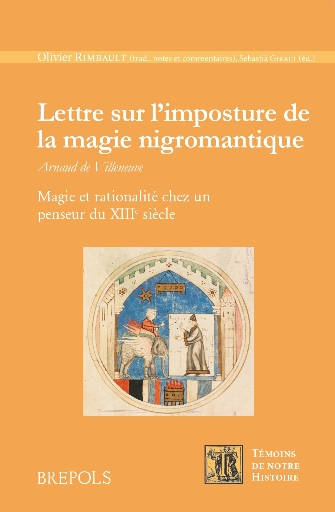
Arnaud de Villeneuve: Lettre sur l’imposture de la magie nigromantique - Epistola de reprobacione nigromantice ficcionis
show More to view fulltext, buy and share links for:Arnaud de Villeneuve: Lettre sur l’imposture de la magie nigromantique - Epistola de reprobacione nigromantice ficcionis show Less to hide fulltext, buy and share links for: Arnaud de Villeneuve: Lettre sur l’imposture de la magie nigromantique - Epistola de reprobacione nigromantice ficcionisVers 1280, Arnaud de Villeneuve publie une courte démonstration à la fois philosophique, théologique et médicale de l’illusion de ces lettrés musulmans, juifs et chrétiens qui prétendaient pouvoir, selon les instructions de manuels de magie alors en vogue, commander aux démons pour obtenir d’eux la réalisation des vœux les plus divers - ce que l’on appelait la nigromancie. Cette édition bilingue est la première en français d’un document représentatif aussi bien du rationalisme aristotélicien que de la médecine galénique qui accompagnèrent le développement de l’enseignement scolastique. Olivier Rimbault commente Arnaud de Villeneuve en historien, en philosophe et en anthropologue. Il montre en effet ce que la rationalité des Modernes doit à cette longue période paradoxale et méconnue qu’est le Moyen Âge, et de cette synthèse tire des parallèles avec la nôtre, mettant en évidence l’irrationnel à l’œuvre dans nos propres croyances les plus « scientifiques » et réhabilitant en conclusion une forme de « magie philosophique » qui pourrait répondre aux défis du XXIe siècle.
-
-
-
Dante the Theologian
show More to view fulltext, buy and share links for:Dante the Theologian show Less to hide fulltext, buy and share links for: Dante the TheologianThe Dominican master par excellence of the historical method, Pierre Mandonnet (1858-1936) came to Dante as one of the leading Thomists and medievalists of his generation. However, his monograph Dante le théologien (1935) was neglected and largely forgotten, mainly as a result of the lay historian Étienne Gilson’s book-length refutation in Dante et la philosophie (1939).
This new edition, and the first English translation, re-presents Mandonnet’s erudite and thought-provoking monograph to contemporary scholars and Dante enthusiasts. It includes a critical introduction that situates Mandonnet’s work in relation to prevailing currents of Dante scholarship in the early twentieth-century, and outlines how it might invite a reappraisal of central features of Dante’s thought today. Mandonnet’s historically-informed account of Dante the theologian as a preacher, doctrinarian, and distinctively medieval poet, as well as his sophisticated analysis of the theological purpose, method, and content of the Commedia will be an invaluable resource for anyone who seeks to understand Dante’s works and their highly contested reception history.
-
-
-
De la Lune à la Terre
show More to view fulltext, buy and share links for:De la Lune à la Terre show Less to hide fulltext, buy and share links for: De la Lune à la TerreLa météorologie ancienne et médiévale se distingue de son équivalent contemporain par un domaine d’études autrement plus vaste, s’étendant bien au-delà des phénomènes atmosphériques. Le premier livre des Météorologiques d’Aristote aborde en effet des sujets aussi divers que l’action de la sphère céleste sur la région terrestre, les liens entre mouvement, lumière et production de chaleur, les rapports quantitatifs entre les quatre éléments, la formation des comètes et de la Voie lactée, l’origine et le mouvement des fleuves, les variations périodiques dans la répartition entre mers et terres sèches. Fondée sur l’analyse d’une grande quantité de textes inédits, et prenant la forme d’un voyage de la Lune à la Terre, la présente étude explore les débats que ces sujets ont suscités chez les maîtres scolastiques qui, de la fin du XIIe au milieu du XVe siècle, se sont confrontés au texte aristotélicien dans le cadre de leur enseignement à la Faculté des arts.
-
-
-
Estética de la Contemplación en Ricardo de San Víctor
show More to view fulltext, buy and share links for:Estética de la Contemplación en Ricardo de San Víctor show Less to hide fulltext, buy and share links for: Estética de la Contemplación en Ricardo de San VíctorEl renovado interés por las fuentes históricas ha favorecido el redescubrimiento de figuras como Ricardo de San Víctor que, habiendo sido opacadas por la fama de autores posteriores como santo Tomás o san Buenaventura, constituyen, sin embargo, auténticos hitos del pensamiento cristiano.
Las obras de Ricardo de San Víctor, de gran calado teológico, espiritual y místico, son una constante invitación a explorar la belleza escondida en las profundidades del misterio divino. Un misterio al que solo es posible acceder mediante la gracia de la contemplación que ilumina el camino hacia la restauración del alma y la comunión con Dios. En sus escritos, Ricardo ofrece una explicación coherente y sistemática de la relación del ser humano con lo divino que, iniciándose en la contemplación de lo creado, puede elevarse hacia la unión con Dios a través de la luz de la sabiduría y el fuego de la caridad. Justamente son estos elementos -sabiduría y caridad- los que constituyen el hilo conductor de sus desarrollos teológicos sobre la contemplación y la Trinidad.
Por medio de un análisis detallado del conjunto de sus obras, esta investigación identifica su continuidad temática, así como el modo excepcional con que se articula en ellas la experiencia mística y la reflexión dialéctica. Este acercamiento integral a sus desarrollos permite descubrir la auténtica riqueza de su teología que, al poner de relieve la indisoluble relación entre la antropología, la estética, la contemplación y el misterio trinitario, constituye una de las propuestas más originales del siglo XII.
-
-
-
In Principio
show More to view fulltext, buy and share links for:In Principio show Less to hide fulltext, buy and share links for: In PrincipioThis volume offers a fresh approach to the structure of Bonaventure’s thought. Ruben Martello argues that Bonaventure employs the Genesis creation account as an overarching framework and fecund source for understanding nature, theology, and even Scripture itself. Beginning with Bonaventure’s view of the literal meaning of Scripture, the reception of the hexaëmeron is traced chronologically in a number of major theological works. Bonaventure is interpreted in light of the hexameral commentarial tradition like Augustine’s De Genesi ad litteram, and filtered through Dionysian and Victorine inspired hermeneutics. It is proposed that reading Genesis in Bonaventure may clarify a number of contemporary disputed theological, exegetical and epistemological concerns. This study also unpacks the Bonaventurian understanding of the distinctive senses of the 'image' and 'likeness' of God, aiding in the articulation of a rich theological anthropology.
-
-
-
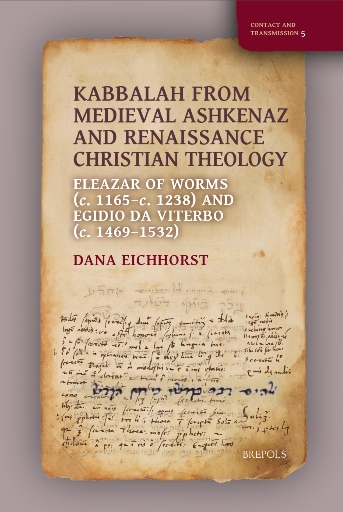
Kabbalah from Medieval Ashkenaz and Renaissance Christian Theology
show More to view fulltext, buy and share links for:Kabbalah from Medieval Ashkenaz and Renaissance Christian Theology show Less to hide fulltext, buy and share links for: Kabbalah from Medieval Ashkenaz and Renaissance Christian TheologyThe preoccupation of Christian theologians and scholars with the Hebrew language and sources at the dawn of the sixteenth century resulted in the transfer of a vast corpus of medieval Hebrew texts into Christian intellectual discourse and networks. These Hebrew sources were meticulously collected, copied, translated, and subjected to rigorous study. These collections include texts that originate from medieval Ashkenaz, the majority of which can be attributed to Eleazar ben Yehuda of Worms (c. 1165–c. 1238). Rabbi Eleazar was a prominent Jewish scholar of his time and a member of one of the most prestigious families in Jewish communities of the German Rhineland and Palatinate.
However, the history of medieval Ashkenazic writings has been neglected in scholarship, which has favoured other Jewish (primarily Sephardic) sources in tracing the infl uence of medieval Jewish mysticism on Christian theology and Kabbalah. This book takes the hitherto disregarded Ashkenazi Hebrew sources as its point of departure. It focuses on the work of Eleazar as a main representative of the Ḥaside Ashkenaz, and on his mag num opus Sode Razayya, which discusses all matter of the divine and the mundane sphere. The book explores how Eleazar’s work was a potentially interesting source for a Renaissance Christian Kabbalist like Egidio (Giles) da Viterbo. Kabbalah from Ashkenaz is distinguished by its emphasis on the Hebrew letters and language, along with the divine word and divine speech (dibur). This central motif of the Ashkenazi sources found resonance with certain Christian theologians and Kabbalists in the context of Christian logos theology, which is similarly anchored in the divine word (verbum).
-
-
-
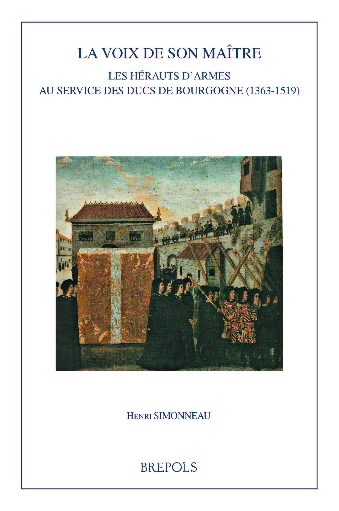
La voix de son maître
show More to view fulltext, buy and share links for:La voix de son maître show Less to hide fulltext, buy and share links for: La voix de son maîtreLe héraut d’armes est un personnage incontournable du Moyen Âge occidental. Spécialiste des tournois, présent au côté du prince lors des grandes cérémonies, constamment sur les routes pour porter des lettres aux différents souverains, il est aussi l’un des meilleurs connaisseurs de la noblesse occidentale.
L’émergence de ces officiers dans la société de cour est fulgurante. Apparus à la fin du XIIe siècle au sein du groupe des jongleurs et des ménestrels, ils se mettent dès la fin du XIVe siècle au service des grands seigneurs, des villes et des princes pour devenir au dernier siècle du Moyen Âge une véritable institution, en France, en Angleterre ou en Bourgogne.
Les Pays-Bas bourguignons offrent sans aucun doute un des meilleurs exemples de l’épanouissement de l’office d’armes au sein d’une cour médiévale. Véritables porte-voix du duc, chargés de prononcer les déclarations de guerre et de publier la paix, les hérauts sont omniprésents dans la conduite de la guerre ou dans la diplomatie de Philippe le Bon et de Charles le Téméraire. Baptisés du nom de provinces bourguignonnes, vêtus de leur cotte d’armes, ils représentent l’État bourguignon autant que le duc lui même, jusqu’à en devenir son avatar.
-
-
-
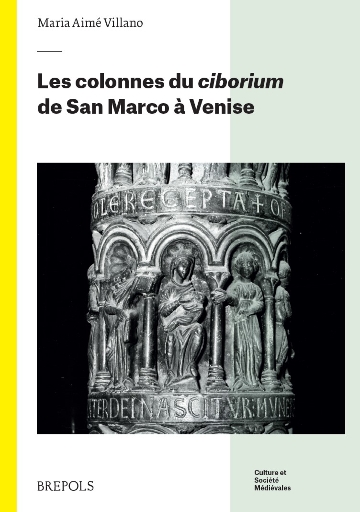
Les colonnes du ciborium de San Marco à Venise
show More to view fulltext, buy and share links for:Les colonnes du ciborium de San Marco à Venise show Less to hide fulltext, buy and share links for: Les colonnes du ciborium de San Marco à VeniseLa recherche s’articule autour de trois axes principaux : une lecture approfondie des aspects visibles et matériels qui composent l’œuvre d’art, c’est-à-dire les parties sculptées et les inscriptions ; la relation de l’œuvre avec les sources littéraires ; enfin, la relation de l’œuvre avec le contexte. L’application d’une méthode globale, qui considère l’œuvre d’art comme un objet complexe fait de signes, de lieux et d’intentions artistiques, a permis une nouvelle interprétation de l’œuvre, ouverte à des enjeux tout à fait actuels d’histoire de l’art, et connectée à la notion d’histoire et d’anthropologie des objets, en constante relation avec le temps et l’environnement.
Ce livre se compose de huit chapitres qui affirment et décomposent à la fois le « système » des colonnes ; ils sont précédés d’une mise en perspective historiographique. L’ouvrage présente également un catalogue exhaustif de fiches décrivant, pour la première fois, une à une les scènes et les inscriptions des colonnes.
-
-
-
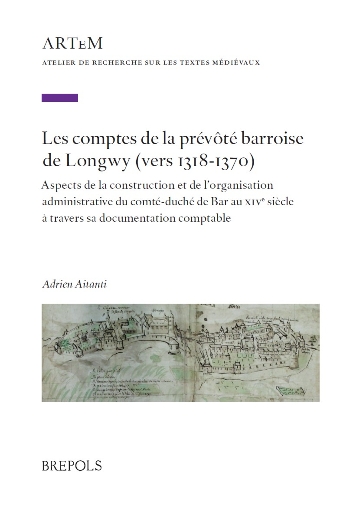
Les comptes de la prévôté barroise de Longwy (vers 1318-1370)
show More to view fulltext, buy and share links for:Les comptes de la prévôté barroise de Longwy (vers 1318-1370) show Less to hide fulltext, buy and share links for: Les comptes de la prévôté barroise de Longwy (vers 1318-1370)Au cœur d'un renouvellement de l'approche des sources de l'histoire médiévale, la comptabilité domaniale publique connait depuis une quinzaine années la faveur des historiens des institutions et des origines de l'État. Les registres de comptes sont ainsi reconnus comme une source intrinsèque et non plus seulement comme une base de données factuelles alimentant de vastes synthèses historiques. En région lorraine, les registres de comptes des prévôts du comté-duché de Bar, par la richesse des collections chronologiques, permettent cette approche nouvelle où le document comptable, dans sa dimension codicologique et administrative, participe pleinement au renforcement des liens entre centre et périphérie et à l’élaboration des dynamiques de gouvernement.La lecture et l’étude précise des registres de la prévôté de Longwy permettent de pénétrer au cœur des rouages administratifs de l'État barrois au temps de la régence de Yolande de Flandre, de la Peste Noire et du début de la guerre de Cent Ans en Lorraine. Apparaît alors, en pleine lumière, la genèse du compte domanial, instrument de pouvoir pour les décideurs centraux et preuve de la manière de servir pour les administrateurs locaux : prévôts, châtelains et clercs jurés. Mais la gestion domaniale ne saurait se passer d’une phase de contrôle administratif. L’examen des comptes, véritable tradition barroise, va peu à peu s’institutionnaliser et revêtir un caractère hautement technique avec la création d’un organe de gouvernement d’une importance majeure : la Chambre des Comptes. Cette dernière fait alors basculer les comptes et le contrôle comptable dans une nouvelle dynamique : celle de la construction de l'État.
-
-
-
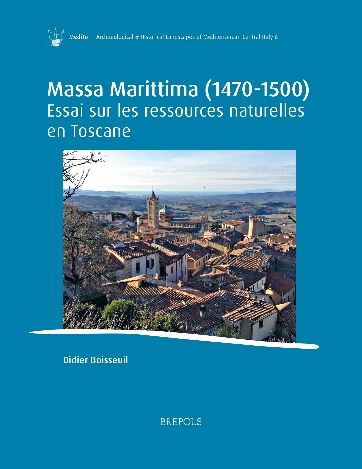
Massa Marittima (1470-1500)
show More to view fulltext, buy and share links for:Massa Marittima (1470-1500) show Less to hide fulltext, buy and share links for: Massa Marittima (1470-1500)Cet ouvrage vise à explorer les modalités d’exploitation des ressources naturelles, dans la Maremme siennoise – autour de la ville de Massa Marittima –, à la fin du Moyen Âge. La séquence chronologique resserrée permet d’embrasser une ample documentation (urbaine, notariée) provenant de différents fonds archivistiques ou des données archéologiques et d’étudier ensemble un large panel d’activités rurales, artisanales et industrielles qui jusqu’alors n’avaient pas toutes été analysées ensemble. La période retenue (1470-1500) correspond à un moment de basculement, marqué notamment par la reprise de la production métallurgique, par l’essor de la production d’alun et par des bouleversements politiques majeurs qui affectent l’État siennois (avec notamment la mise en place à partir de 1487, d’un régime oligarchique). Les ressources sont au coeur des relations nouvelles qui se nouent entre les Massétans et désormais les élites siennoises qui entendent tirer profit de nouvelles richesses. L’ouvrage entend proposer un aperçu des modifications sociales, politiques et environnementales qui confèrent un destin singulier à la Maremme.
-
-
-
Nichil Melius, Nichil Perfectius Caritate
show More to view fulltext, buy and share links for:Nichil Melius, Nichil Perfectius Caritate show Less to hide fulltext, buy and share links for: Nichil Melius, Nichil Perfectius CaritateIn his magnum opus De Trinitate, the twelfth-century canon Richard of St. Victor offers sustained reflection on core dogmatic claims from the Athanasian creed. At the heart of the treatise is Richard’s argument for exactly three divine persons. Starting with the necessity of a single, maximally perfect divine substance, Richard reasons along four steps: (i) God must have maximal charity, or other-love; (ii) to be perfectly good, delightful, and glorious, God’s other-love must be shared among at least two, and (iii) among at least three, divine persons; (iv) the metaphysics of divine processions and love each ensure the impossibility of four divine persons. For Richard, Scripture and trustworthy church authorities already provide certainty in these truths of faith. Even so, as an act of ardent love, Richard contemplates the Trinity as reflected in creation. From this epistemic point of departure, he supports his conclusions from common human experience alone.
Recently, philosophers of religion have employed Richard’s trinitarian reflection as a springboard for constructive work in apologetics and ramified natural theology. His unique and meticulous approach to the Trinity has garnered attention from scholars of medieval and Victorine studies, recognizing the novelty and rigour of his philosophical theology.
This volume presents the first focused exploration of Richard’s central thesis in De Trinitate, combining historical context with philosophical scrutiny. It confronts the most challenging aspects of his argument, presenting Richard’s insights as not merely intriguing but also profoundly compelling. His thesis, if validated, promises to significantly enrich modern dialogues on the philosophical and theological dimensions of the Trinity.
-
-
-
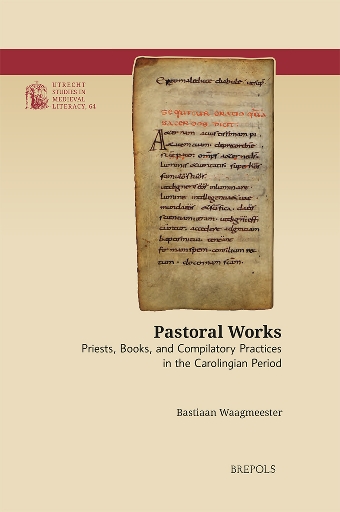
Pastoral Works
show More to view fulltext, buy and share links for:Pastoral Works show Less to hide fulltext, buy and share links for: Pastoral WorksMuch of the Christian empire established by the Carolingians in the eighth century was not only built through royal initiative, but also through the work of local priests. Living among the laity, these clerics provided pastoral care and religious instruction. Yet despite their vital contribution to the development of Christianity in Western Europe, these clergymen and the communities they served remain understudied.
This book investigates the manuscripts they used, offering a glimpse into everyday life around the local church. Far from being poor and illiterate, priests had access to texts specifically adapted to their needs. By examining how these materials were compiled, this study reveals what mattered most in the early medieval countryside. Drawing on excerpts from collections of liturgy, canon law, and patristic expositions — often preserved in the great monastic and court libraries — it uncovers the diversity of local religious practice. These texts reflect how the efforts instigated by Carolingians to foster ‘good Christianity’ were interpreted and implemented outside the centres of power. In exploring these seemingly modest manuscripts, this study opens new pathways into the world of the Carolingian local church and the people who inhabited it.
-
-
-
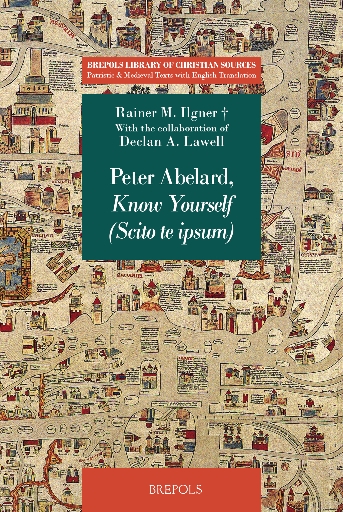
Peter Abelard, Know Yourself (Scito te ipsum)
show More to view fulltext, buy and share links for:Peter Abelard, Know Yourself (Scito te ipsum) show Less to hide fulltext, buy and share links for: Peter Abelard, Know Yourself (Scito te ipsum)Peter Abelard (1079-1142), famous for his unhappy love story with Heloise, which he wrote down in his autobiographical work Historia calamitatum, was among the most respected scholars of his time. Brilliant as a philosopher and theologian, he was one of the co-founders of scholasticism, seeking to elucidate theological facts through logic.Scito te ipsum is one of the most important texts of the twelfth century. Only in the later phase of his life and work did Abelard decide to separate moral themes from his overall theological schema, and to dedicate a monograph to them under the guiding concepts of "sin" (First Book) and "obedience before God" (Second Book, unfinished). As Ethica nostra it was intended to provide a Christian conception alongside a philosophical ethics, and to summarise the results of his previous studies.
Along with Abelard’s entire theology, this treatise was also condemned as heretical by Pope Innocent II, and was long considered lost. Since its rediscovery in the 18th century, it has met with lively interest both from a theological and also from a philosophical point of view. The historical aspects of the work and its integration into Abelard’s complete works receive special attention in the introduction to this volume, which presents the Latin text from the Corpus Christianorum (CC CM 190) with a new English translation.
-
-
-
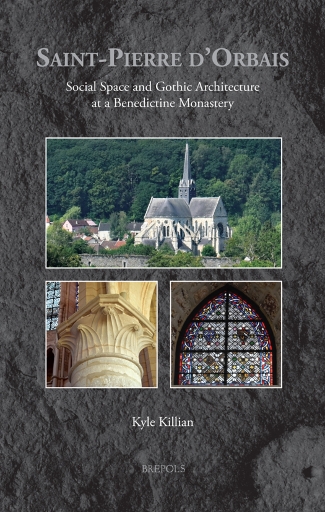
Saint-Pierre d’Orbais
show More to view fulltext, buy and share links for:Saint-Pierre d’Orbais show Less to hide fulltext, buy and share links for: Saint-Pierre d’OrbaisThe fragmentary remains of the Benedictine monastery of Saint-Pierre d'Orbais in northwest Champagne preserves a particular iteration of Gothic style and technological achievement as well as the built environment of a community deeply embedded in the world around them. Through their architecture, successive generations of monks of Orbais, whose institutional life stretched from the end of the seventh century to end of the eighteenth century, were constantly seeking to clarify their position in the changing physical and social landscapes they inhabited. Although connected by a shared site, the architectural evidence from Orbais preserves remnants from several episodes of use and reuse. The site is treated thematically, starting with the boundaries that define the site, then the resources that shaped monastic life in this particular location, followed by the monastic landscapes that shaped the community as an institution. These categories reflect both the nature of our evidence for the contexts of building construction and the types of landscapes that were most active for the monastic community at Orbais over the long life of the site. The final chapter resituates the architectural history of the monastic church in light of these interrelated landscapes, contextualizing existing scholarship that treats it as a specifically Gothic monument, and providing lines of connection to medieval built environments more broadly.
-
-
-
Spectacle benefaction and the politics of appreciation
show More to view fulltext, buy and share links for:Spectacle benefaction and the politics of appreciation show Less to hide fulltext, buy and share links for: Spectacle benefaction and the politics of appreciationIn the remotest corners of the Roman Empire, large crowds were as beguiled by spectacles as their Roman counterparts. Provincial spectacles however, did not share the technical wonders of flying machines, elephant dressage and synchronised swimming seen at imperial extravaganzas. Is it this lack of the sensational that accounts for the relative paucity of scholarly attention paid to regional spectacles and in particular, their sponsors?
When spectacles are viewed purely as entertainment, the messy realities of institutionalized social, economic and political power that regulated them are obscured. A clearer understanding of the spectacle can therefore be achieved by contextualizing it in the big picture of regional and provincial life against the backdrop of Roman power and control. The spectacle itself was highly political in its aims and intent. Access to sponsorship of a spectacle similarly relied on hierarchies of political power and privilege, and consequently required strategic negotiation of candidacy, promises, expenditure and recognition. Rivalry, competition and emulation was endemic.
This epigraphic analysis, focusing on the western Roman Empire (Italy, Gaul and North Africa) during the Imperial period, identifies the milieux of provincial sponsors, their strategies and quest for public honours.
-
-
-
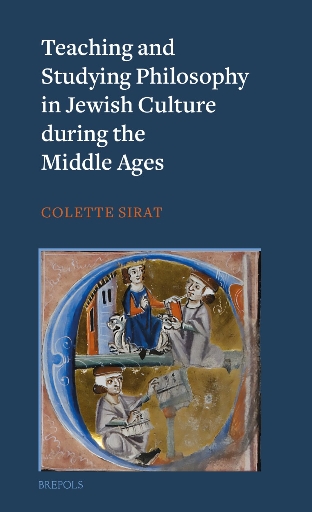
Teaching and Studying Philosophy in Jewish Culture during the Middle Ages
show More to view fulltext, buy and share links for:Teaching and Studying Philosophy in Jewish Culture during the Middle Ages show Less to hide fulltext, buy and share links for: Teaching and Studying Philosophy in Jewish Culture during the Middle AgesThis book offers the first survey of philosophical pedagogy in Jewish culture during the Middle Ages, with a focus on Northern France, the Provence, Italy and Spain. By examining not only the discourse of renowned philosophers such as Maimonides and Gersonides, but also oft-neglected manuscript evidence of educational practices and students’ notes, the book offers a nuanced understanding of the medieval Jewish intellectual landscape and shows how Jewish educators brought intricate debates on metaphysics, ethics, and epistemology into the classroom. The book also sheds light on the broader societal and cultural contexts that influenced these philosophical pursuits.
An essential read for anyone interested in the history of philosophy, Jewish studies, or medieval intellectual culture, this book celebrates the enduring legacy of Jewish philosophical thought and its pivotal role in shaping the intellectual currents of the Middle Ages.
-