


Browse Books
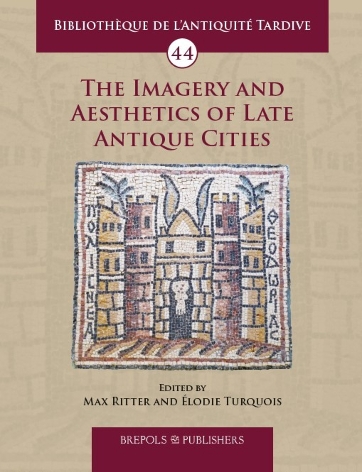
The Imagery and Aesthetics of Late Antique Cities
While the role of the city in Late Antiquity has often been discussed by archaeologists and historians alike it is only in recent years that scholarship has begun to offer a more nuanced approach in our understanding to how such cities functioned stepping away from the traditional paradigm of their decline and fall with the collapse of the Roman Empire. In line with this approach this deliberately interdisciplinary volume seeks to provide a more multifaceted understanding of urban history by drawing together scholars of literary and material culture to discuss the concepts of imagery and aesthetics of late antique cities.
Gathering together contributions by historians philologists archaeologists literature specialists and art historians the volume aims to explore the imagery and aesthetics of cities in Late Antiquity within a strong theoretical framework. The different chapters explore the aesthetics of cityscape representations in literature and art asking in particular whether literary representations of late antique urban landscapes mirror the urban reality of eclectic ensembles of pre-existing architecture and new buildings as well as questioning both how the ideal of the city evolved in the imagination of the period and if imperial ideology was reflected in literary depictions of cities.
In Principio
Genesis and Theology in St Bonaventure
This volume offers a fresh approach to the structure of Bonaventure’s thought. Ruben Martello argues that Bonaventure employs the Genesis creation account as an overarching framework and fecund source for understanding nature theology and even Scripture itself. Beginning with Bonaventure’s view of the literal meaning of Scripture the reception of the hexaëmeron is traced chronologically in a number of major theological works. Bonaventure is interpreted in light of the hexameral commentarial tradition like Augustine’s De Genesi ad litteram and filtered through Dionysian and Victorine inspired hermeneutics. It is proposed that reading Genesis in Bonaventure may clarify a number of contemporary disputed theological exegetical and epistemological concerns. This study also unpacks the Bonaventurian understanding of the distinctive senses of the 'image' and 'likeness' of God aiding in the articulation of a rich theological anthropology.
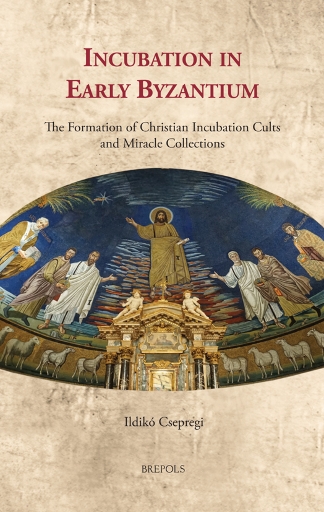
Incubation in Early Byzantium
The Formation of Christian Incubation Cults and Miracle Collections
Incubation (temple sleep) was a well-known ritual in the Near East and became increasingly popular in Classical and Hellenistic Greece becoming attached to Asclepius and other divinities. It flourished in the Eastern Mediterranean where it was encountered by the emergent Christianity. Temple sleep was so widespread that it was impossible to ban. The Christianization of the incubation ritual was thus a detailed and lengthy (but successful) process that encompassed several aspects of the Church’s self-definition including important social and theological issues of the era. The list of relevant issues is extensive: the fate of Greek temples and the reinterpretation of sacred space confronting Hippocratic medicine and the learned Greek intelligentsia. Since disease and a search for cure is a ubiquitous human need the early Church embraced a healing ministry in secular terms as well as in ritual healing. Incubation records show how the Church viewed dreams conversion or the notions of magic and divination. All these come within the framework of writing miracles: the transformation of the cult was thus incorporated into standard Church discourse from ritual practice to proper literary genres.
This first comprehensive monograph on Christian incubation examines the rich material of all the relevant Greek miracle collections: those of Saint Thecla Cyrus and John the different versions of Saint Cosmas and Damian and saint Artemios as well as the minor incubation saints As a result it unfolds the transformation of healing sites and practices related to dreams as they spread across Byzantium from rural Asia Minor to Constantinople and Alexandria.
Integrated Peasant Economy in Central and Eastern Europe
A Comparative Approach
Income integration based on the peasants’ engagement in non-agrarian sectors is a prominent and widespread feature in the history of the European countryside. While listing a multitude of activities outside the narrow scope of farm management aimed at self-consumption prevailing interpretations emphasize how survival was the goal of peasant economies and societies. The “integrated peasant economy” is a new concept that considers the peasant economy as a comprehensive system of agrarian and non-agrarian activities disclosing how peasants demonstrate agency aspirations and the ability to proactively change and improve their economic and social condition. After having been successfully applied to the Alpine and Scandinavian areas the book tests this innovative concept through a range of case studies on central and eastern European regions comprising Poland the Czech Republic Slovenia Serbia Bosnia and Herzegovina and Ukraine. By enhancing our knowledge on central and eastern Europe and questioning the assumption that these regions were “different” it helps overcome interpretive simplifications and common places as well as the underrepresentation of the “eastern half” of Europe in scholarly literature on rural history. That’s why the book represents a refreshing methodological contribution and a new insight into European rural history.
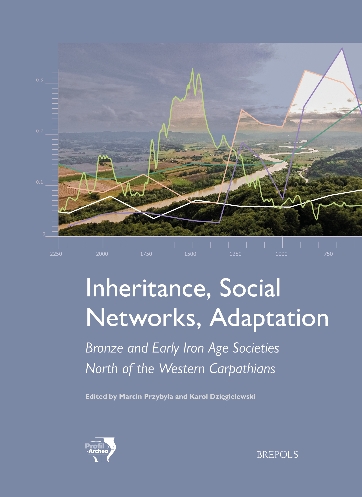
Inheritance, Social Networks, Adaptation
Bronze and Early Iron Age Societies North of the Western Carpathians
How did societies change between the Early Bronze Age and the Early Iron Age? And what was the impetus that led to these changes — social contacts and innovation intergenerational contacts or perhaps simply adaptation? Taking these questions as its starting point this richly detailed volume explores four different regions of southern Poland to compare and contrast the mechanisms that drove socio-cultural change in the region between the second and the first half of the first millennium BC. Drawing on standardized sets of archaeological data the chapters gathered here examine the interplay of different factors influencing cultural change across five key parameters: environment; settlement patterns; settlement organization; economy; and material culture. The result is a beautifully illustrated volume that offers important insights into Central and Eastern European prehistory made accessible for an English-speaking audience.
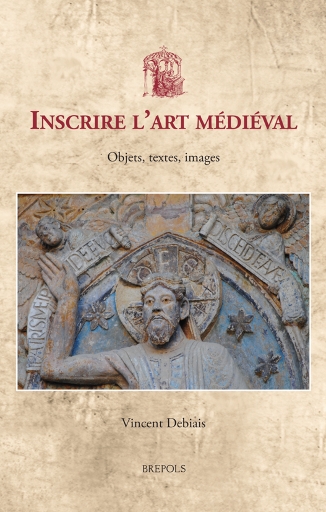
Inscrire l’art médiéval
Objets, textes, images
Ce livre est consacré aux relations entre écriture épigraphique et art médiéval. Il se propose de placer les inscriptions tracées sur la pierre le métal le bois la peinture ou la mosaïque dans le contexte des pratiques écrites et artistiques du Moyen Âge occidental et de signaler quelques pistes de recherche originales pour appréhender le statut la forme et la fonction de la rencontre entre l’écriture épigraphique et les oeuvres d’art médiévales.
Cet essai se situe à la confluence de l’histoire de l’écriture et de l’histoire des formes. Il est fondé sur l’analyse d’un certain nombre d’objets graphiques du Moyen Âge central produits en Europe occidentale. Il s’inscrit donc dans une pensée chrétienne de l’écriture et de l’image et accorde une place importante à la théologie. Il est moins pensé comme un manuel épigraphique à l’attention des historiens de l’art que comme un répertoire de questions à explorer à repenser ou encore à traiter et s’adresse à quiconque aspire à la réunion des cultures écrite visuelle et matérielle du Moyen Âge.
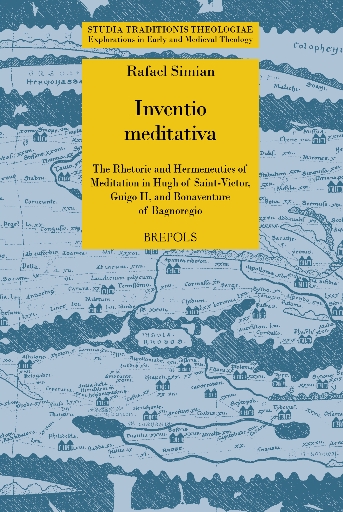
Inventio meditativa
The Rhetoric and Hermeneutics of Meditation in Hugh of Saint-Victor, Guigo II, and Bonaventure of Bagnoregio
The present volume develops a new conceptual perspective on late-medieval meditation particularly in Hugh of Saint-Victor Guigo II and Bonaventure of Bagnoregio. For the most part modern commentaries on the subject have relegated rhetoric to the margins of attention if not to complete silence. In contrast this book contends that these writers arrived at their distinctive conceptions of meditation by drawing from the Ciceronian rhetorical tradition. They did so by deepening earlier rhetorical treatments of inventio while adapting them to the Christian life. The examination of this topic is divided into three principal and related aspects. First meditation is studied as a rhetorical notion for a specific kind of mnemonic rational and affective exercise. Second that notion is used to shed light on meditation as a compositional textual practice whose outcomes bear striking analogy to what Umberto Eco called the ‘open works’ of the Western avant-garde. Finally meditation emerges as a form of literary reception required for approaching and construing certain works. In exploring each of these aspects the study shows that rhetoric radically informs not only Hugh’s Guigo’s and Bonaventure’s engagement with meditation but also their views on salvation history monastic life divine revelation scientific learning and biblical hermeneutics. Thus despite the omission or relative insignificance of the ars bene dicendi in most modern investigations it is argued that rhetoric lies at the core of these authors’ entire religious outlook. In this way the present volume aims to contribute to a better understanding of these medieval figures by filling an important gap in the scholarly literature.
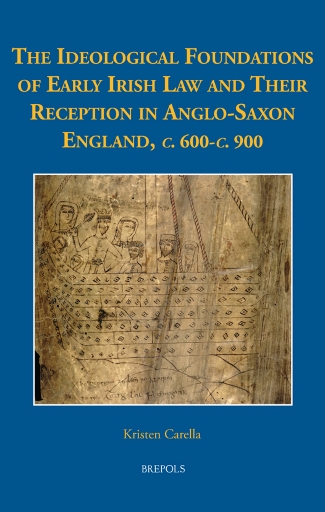
The Ideological Foundations of Early Irish Law and Their Reception in Anglo-Saxon England, c. 600–c. 900
Old Testament Levites who considered the Law of Moses to be the living law: this has long been the established view among many scholars for how early Irish jurists perceived themselves as well as how they saw the broader theoretical and religious bases of their jurisprudence. In this volume however Kristen Carella offers a timely reassessment of scholarly opinion exploring Irish legal texts within the broader context of both vernacular Irish and Hiberno-Latin literature to argue that early Irish Christian intellectuals in fact saw themselves as gentile converts subscribing to an orthodox Christian faith that was deeply infused with Pelagian theology.
Certain aspects of Irish legal ideology particularly Irish views of divine history and pseudo-historical ideas about their own ethnogenesis moreover extended out of Ireland and into Anglo-Saxon England; their impact can be seen on lawmakers such as Alcuin when he helped draft the Anglo-Latin Legatine Capitulary of 786 and King Alfred of Wessex when he composed the Old English prologue to his law code in the late-ninth century. Through this approach this volume not only challenges long-held scholarly views on Irish legal ideology and its influences beyond Ireland but also provides a new paradigm for intellectual relations between early medieval Ireland and England.
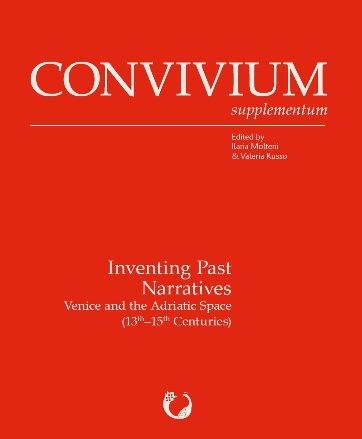
Inventing Past Narratives. Venice and the Adriatic Space (13th–15th Centuries)
During the Middle Ages new past narratives emerged but several of these narratives are not based on the archaeological rediscovery of a lost history. On the contrary in many cases that impression of a unique grandiose and ancient past is partly the result of accurate dissimulation. Yet it would not be exact to consider the myth of Venice as a fiction or somehow as a fabricated invention – an apocryphal creation that does not include any historical component. Instead the myth of Venice has been generated through an intricate operation of composing unconnected pieces through a process of attributing new meanings to previously unconnected pieces of different histories or objects from other pasts. The result is a patchwork that through the longue durée has been articulated around both new and ancient stories local and foreign myths reconstructed or rediscovered objects and narratives. By the late Middle Ages Venice becomes the main stage of a national and international myth: while enhancing its historical role in the past the city demonstrates the legitimacy of its role in the present. In light of such phenomenon this volume will try to demonstrate that Venetian past narratives bring together heterogeneous materials to achieve a common result: that of celebrating Venice’s triumph and erasing its weaknesses and defeats.
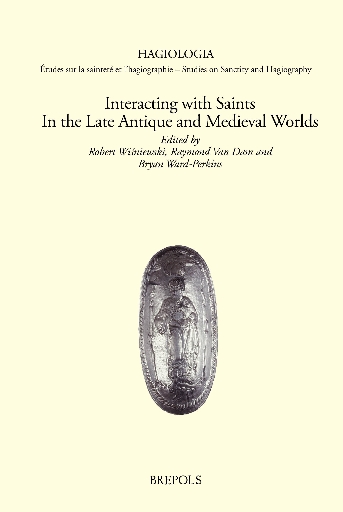
Interacting with Saints in the Late Antique and Medieval Worlds
The cult of saints is one of the most fascinating religious developments of Late Antiquity and the early Middle Ages. Christians admired martyrs already in the second century but for a long time they perceived them only as examples to follow and believed they could pray directly to God whom they addressed as ‘Our Father’. A new attitude toward saints now considered above all as powerful friends of God and efficient intercessors started to emerge in the third century. Once this process gained momentum in the Constantinian era the cult of saints constantly changed and rapidly adapted to new conditions and demands. This evolution highlighted many factors: the popularity of specific saints and the different types of sanctity the spread of cults and customs and the ways in which the saints were described visualised and represented.
This volume seeks to capture the dynamic of these adaptations showing both those aspects of cult which evolved quickly and those which remained stable for a long time. It studies the evolution of the cults in a broad period from the third to the seventh centuries and in various regions from Gaul to Georgia with a particular interest in the two greatest centres of the cult of saints: Rome and Constantinople. In response to changing needs and different circumstances new generations of believers repeatedly modified the cults of established saints even as they introduced new saints.

Ibn Gabirol (Avicebron)
Latin and Hebrew Philosophical Traditions
One of the most important thinkers of the Middle Ages the Jewish philosopher Solomon Ibn Gabirol (known in the Latin Middle Ages as ‘Avicebron’) greatly contributed to the history of metaphysics. His most famous work the Fons vitae was the source of sophisticated radical doctrines (like universal hylomorphism and the plurality of substantial forms) that were rigorously debated in the Latin world for centuries.
Breaking a long period of scholarly neglect of his thought this volume scrutinises Ibn Gabirol’s philosophical contributions by disentangling his original theories from the misconceptions originated by his medieval readers and critics like Thomas Aquinas and Albert the Great. The first part of the volume expands on the Latin translation of Ibn Gabirol’s philosophical work the Fons vitae from which many of these misconceptions seems to have originated. The second part focuses on the sources used by Ibn Gabirol and reconstructs the philosophical framework of his reflections. The final two parts of the volume are dedicated to the influence on Ibn Gabirol’s thought on the Latin and Hebrew traditions respectively.
Authored by some of the most renowned worldwide experts on Hebrew and Latin philosophy the cutting-edge contributions included in the volume give a lively picture of a complex yet fascinating medieval philosopher and his unique interpretation of the universe.
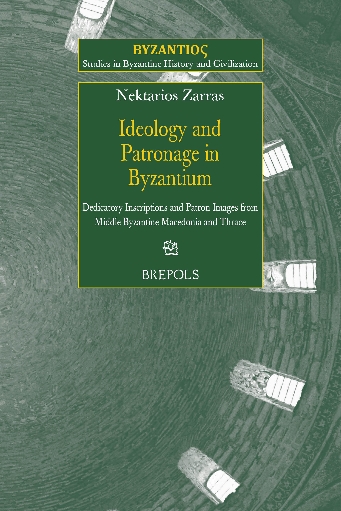
Ideology and Patronage in Byzantium
Dedicatory Inscriptions and Patron Images from Middle Byzantine Macedonia and Thrace
Based on the evidence of epigraphic material in combination with monumental painting this book explores important dedicatory inscriptions (9th-beginning of the 13th c.) from Macedonia and Thrace which have so far been investigated mainly from a philological-historical standpoint thus neglecting the major issue of Middle Byzantine patronage. Through patron inscriptions and textual sources the role and the motives of military officials in the patronage of defensive and fortification works and the manner of publicizing them are examined systematically. Patronage is looked at through the ideological messages that the donors endeavor to promote in a local society or monastic community and which echo their relationship with the state and their views on education and faith. Interesting methodologically is the co-examination of the various categories of inscriptions in combination with historical texts and donor portraits which opens up new avenues of research for the study of the interdisciplinary material in question.
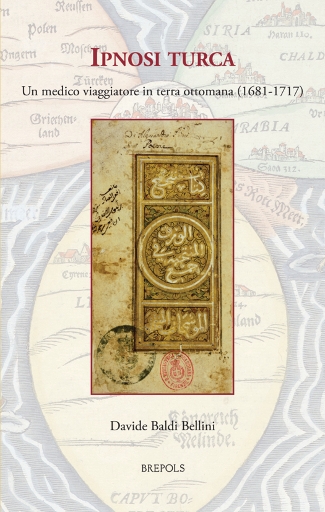
Ipnosi turca
Un medico viaggiatore in terra ottomana (1681-1717)
Le lettere del medico fiorentino Alessandro Pini (1653-1717) e il suo trattato De moribus Turcarum fanno emergere un’immagine avvincente del popolo egiziano e della cultura ottomana. Ciò che Pini ha osservato in Egitto e nel mondo ottomano rivela una straordinaria dimensione mediterranea di commistione culturale fatta di scambi e di incontri scaturiti dalle necessità lavorative e anche dalla semplice quotidianità. Oltre alla missione scientifica ufficiale egli doveva svolgere un’intrigante attività spionistica per Cosimo III Granduca di Toscana in cui si rivelò poi fallimentare. Amareggiato e osteggiato per l’insuccesso passò poi alle dipendenze della Repubblica di Venezia e dimorò per vari anni a Istanbul e in Morea dove senza pregiudizi e con ampiezza di vedute osservò le tradizioni e i costumi dei popoli che incontrava. Decise dunque consapevolmente di scrivere l’esaltazione di un mondo che l’Occidente vedeva come il suo alter ego negativo. Sebbene fosse stato imprigionato nella sua società di adozione Pini rimase affascinato forse anche ipnotizzato da quello stesso mondo che lo aveva variamente premiato e frustrato sia nel suo lavoro ufficiale che nel suo incarico segreto.
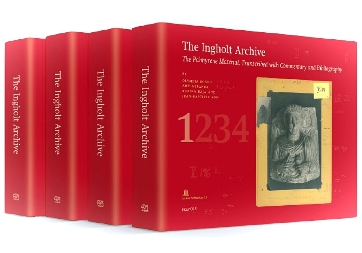
The Ingholt Archive
The Palmyrene Material, Transcribed with Commentary and Bibliography
For a period of over 50 years from his first visit to Palmyra in the 1920s until the late 1970s Danish archaeologist Harald Ingholt carefully collected and curated a detailed archive of Palmyrene sculpture architecture and epigraphy. Containing approximately 2000 images each archive sheet contains handwritten annotations on Palmyrene funerary art transcribes and translates inscriptions includes detailed observations on object style and dating and provides bibliographical information for each sculpture. As such this archive is a treasure trove of information on Palmyrene sculpture architecture and epigraphy. Moreover Ingholt’s notes go beyond shedding light on the creation of these sculptures and also provide rich information about their more recent histories: object biographies offer details on provenance collection history and excavation photography. In doing so they offer unique insights into twentieth-century excavation conservation and collection practices. Since 1983 Ingholt’s archive has been housed at the Ny Carlsberg Glyptotek in Copenhagen Denmark and then from 2012 onwards the archive took digital shape within the framework of the Palmyra Portrait Project at Aarhus University. Now available in print for the first time the Ingholt Archive is here presented in its entirety as a lavishly illustrated four-volume set. The authors have transcribed and commented upon each sheet in the archive provided new translations of the inscriptions that accompany the sculptures and compiled an updated bibliography for each item. This unique set is published together with a detailed introduction thirteen concordances and a bibliography making it an invaluable resource for researchers in the field.
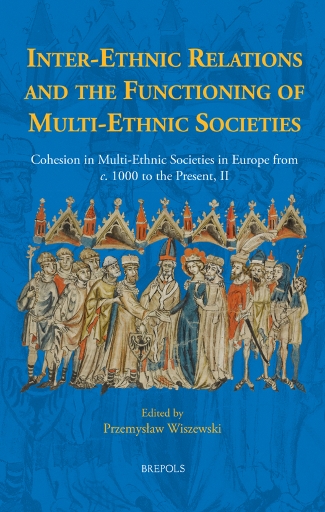
Inter-Ethnic Relations and the Functioning of Multi-Ethnic Societies
Cohesion in Multi-Ethnic Societies in Europe from c. 1000 to the Present, II
The three-volume project Cohesion in Multi-Ethnic Societies in Europe from c.1000 to the Present explores and seeks to find solutions to a crucial problem facing contemporary Europe: in what circumstances can different ethnic groups co-operate for the common good? They apparently did so in the past combining to form political societies medieval and early modern duchies kingdoms and empires. But did they maintain their ethnic traditions in this process? Did they pass on elements of their cultural memory when they were not in a dominant position in a given polity?
The first volume of the project explored written sources about the past to show how communities shaped their collective memories in order to ensure the smooth functioning of multi-ethnic political communities. This second volume looks beyond texts and focuses on activities and events that were designed to build a sense of community within a political community made up of different ethnic groups. The coexistence of different ethnic groups is considered not through the prism of theoretical analyses by intellectual elites but by following community members’ responses to current events as recorded in the sources.
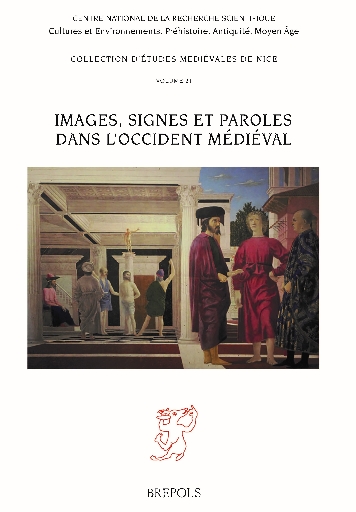
Images, signes et paroles dans l’Occident médiéval
Cet ouvrage rassemble dix contributions qui proposent des perspectives originales pour l’analyse conjointe des modes d’expression figurée de l'Occident médiéval. Menées tant par des « historiens de l’art » que par des « historiens » elles abordent la question de l’image-objet des signes alphabétiques et iconiques du lieu peint de la liturgie et de la prédication. Documents d’archives exégèse biblique sermons et récits hagiographiques sont exploités de manière fine et exhaustive pour rendre compte au plus près du contexte d’exécution des œuvres qu’elles soient inconnues ou célèbres. Ce sont alors les angles d’approches adoptés comme l’anthropologie des images ou les études transgenre mais aussi les relations complexes entre art architecture et rites qui enrichissent ici l’exploration et d’objets de culte - les lipsanothèques catalanes les linges de l’autel ou les ex-voto - et de panneaux peints - comme la Flagellation du Christ de Piero della Francesca - et des cycles de peintures décorant la Tour Ferrande à Pernes-les-Fontaines San Pellegrino à Bominaco et cinq chapelles de la Ligurie et du Piémont.
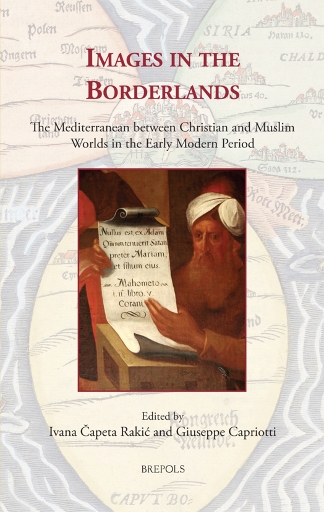
Images in the Borderlands
The Mediterranean between Christian and Muslim Worlds in the Early Modern Period
This volume offers a unique exploration into the cultural history of the Mediterranean in the Early Modern Period by examining the region through the prism of Christian-Muslim encounters and conflicts and the way in which such relationships were represented in art works from the time. Taking images from the period as its starting point this interdisciplinary work draws together contributors from fields as varied as cultural history art history archaeology and the political sciences in order to reconstruct the history of a region that was often construed in the Early Modern period as a ‘borderland’ between religions. From discussions of borders as both physical construction and mental construct in the Mediterranean to case studies exploring the Battle of Lepanto and from analyses of art work produced from the fifteenth to eighteenth centuries to a consideration of the influence of the Ottoman Empire in the Mediterranean Basin the chapters gathered together in this insightful volume provide a new approach to our understanding of Early Modern Mediterranean history.
Intercultural Encounters in Medieval Greece after 1204
The Evidence of Art and Material Culture
Based on the evidence of artistic production and material culture this collective volume aims at exploring cross-cultural relations and interaction between Greeks and Latins in late medieval Greece in the aftermath of the Fourth Crusade. Fourteen essays discuss mostly new and unpublished archaeological and artistic material including architecture sculpture wall-paintings and icons pottery and other small finds but also the evidence of music and poetry. Through the surviving material of these artistic activities this volume explores the way Byzantines and Latins lived side by side on the Greek mainland and the Aegean islands from the thirteenth to the fifteenth centuries and traces the mechanisms that led to the emergence of the new composite world of the Latin East. Issues of identity patronage papal policy the missionary activities of the Latin religious orders and the reactions and responses of the Byzantines are also re-considered offering fresh insights into and a better understanding of the various manifestations of the interrelationship between the two ethnicities confessions and cultures.
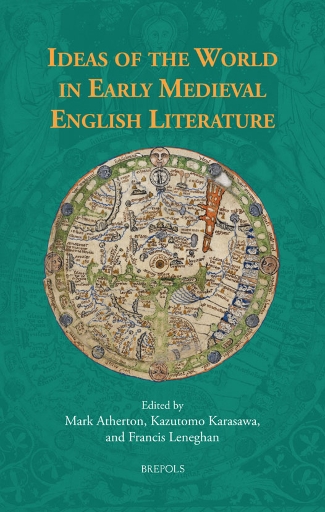
Ideas of the World in Early Medieval English Literature
Across three thematically-linked sections this volume charts the development of competing geographical national and imperial identities and communities in early medieval England. Literary works in Old English and Latin are considered alongside theological and historical texts from a range of disciplinary perspectives. Accounts of travel foreign contacts conversion migration landscape nation empire and conquest are set within the continual flow of people and ideas from East to West from continent to island and back across the period. The fifteen contributors investigate how the early medieval English positioned themselves spatially and temporally in relation to their insular neighbours and other peoples and cultures. Several chapters explore the impact of Greek and Latin learning on Old English literature while others extend the discussion beyond the parameters of Europe to consider connections with Asia and the Far East. Together these essays reflect ideas of inclusivity and exclusivity connectivity and apartness multiculturalism and insularity that shaped pre-Conquest England.
Imperium et sacerdotium
Droit et Pouvoir sous l’Empereur Manuel Ier Comnène (1143-1180)
«Manuel en Christ le Dieu fidèle basileus le porphyrogénète empereur des romains très pieux vénérable à jamais auguste.» Le règne de l’empereur Manuel Ier (1143-1180) est analysé à partir du principe de la pietas terme à portée morale canonique et juridique qui concerne la capacité du Basileus de légiférer de façon juste au profit des intérêts de l’État. L’œuvre législative de Manuel Ier que les juristes byzantins de l’époque considéraient comme une interprétation moderne de dispositions fondamentales du droit romain eut comme objectif principal de renforcer l’image sacerdotale du Basileus qui avait été sécularisée durant la crise politique du xi e siècle. L’attachement de Manuel Ier aux lois civiles et à leur strict respect était lié à sa conception de la supériorité de l’État et du droit byzantin expression de la volonté divine. L’insertion du droit canonique au droit public traduisait la nécessité de dépasser le dualisme étatique. L’intégration de l’Église dans ce programme valorisait ses responsabilités spirituelles vis-à-vis d’un Empereur qui concevait la gouvernance comme une responsabilité spirituelle. Besoins d’un État moderne et besoins spirituels de la société se conjuguent dans ce système harmonieux spécifique à l’empire byzantin du xii e siècle.