


Browse Books
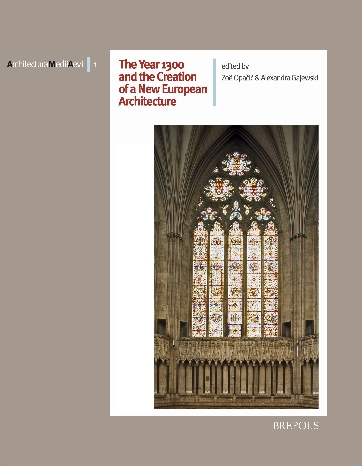
The Year 1300 and the Creation of a new European Architecture
The theme of the book is the origin of Late Gothic architecture in Europe around the year 1300. It was then that Gothic ecclesiastical architecture graduated from a largely French into a wholly European phenomenon with new centres of art production (Cologne Florence York Prague Kraków) and newly-empowered institutions: kings the higher nobility towns and friars. Profound changes in spiritual and devotional life had a lasting effect on the relationship between architecture and liturgy. In short architecture around 1300 became at once more cosmopolitan and more heterogeneous.
The book addresses these radical changes on their own terms-as an international phenomenon. By bringing together specialists in art architecture and liturgy from many parts of Europe and from the USA it aims to employ their separate expertise and to integrate each into a broader European perspective.
Dr Zoë Opačić is lecturer in the history and theory of architecture at Birkbeck College University of London. She specialises in the field of late medieval architecture and art particularly in Central Europe.
Dr Alexandra Gajewski is a Visiting Assistant Professor at the University of Michigan Ann Arbor and a Fellow of the Society of Antiquaries London. She works on Burgundian Gothic architecture and on Cistercian art in medieval France and the Empire.
The Yuezhi. Origin, Migration and the Conquest of Northern Bactria
This book provides a detailed narrative history of the dynasty and confederation of the Yuezhi whose migration from western China to the northern border of present-day Afghanistan resulted ultimately in the creation of the Kushan Empire. Although the Yuezhi have long been recognised as the probable ancestors of the Kushans they have generally only been considered as a prelude to the principal subject of Kushan history rather than as a significant and influential people in their own right. The evidence seemed limited and ambiguous but is actually surprisingly extensive and detailed and certainly sufficient to compile a comprehensive chronological political history of the Yuezhi during the first millennium BCE. The book analyses textual numismatic and archaeological evidence in an attempt to explain the probable origin of the Yuezhi their relationship with several Chinese dynasties their eventual military defeat and expulsion from the Gansu by the Xiongnu their migration through the Ili Valley Ferghana and Sogdia to northern Bactria and their role in the conquest of the former Greco-Bactria state. All of these events were bound up with broader cultural and political developments in ancient Central Asia and show the extraordinary interconnectedness of the Eurasian historical processes. The domino-effect of the migration of the Yuezhi led to significant changes in the broader Eurasian polity.